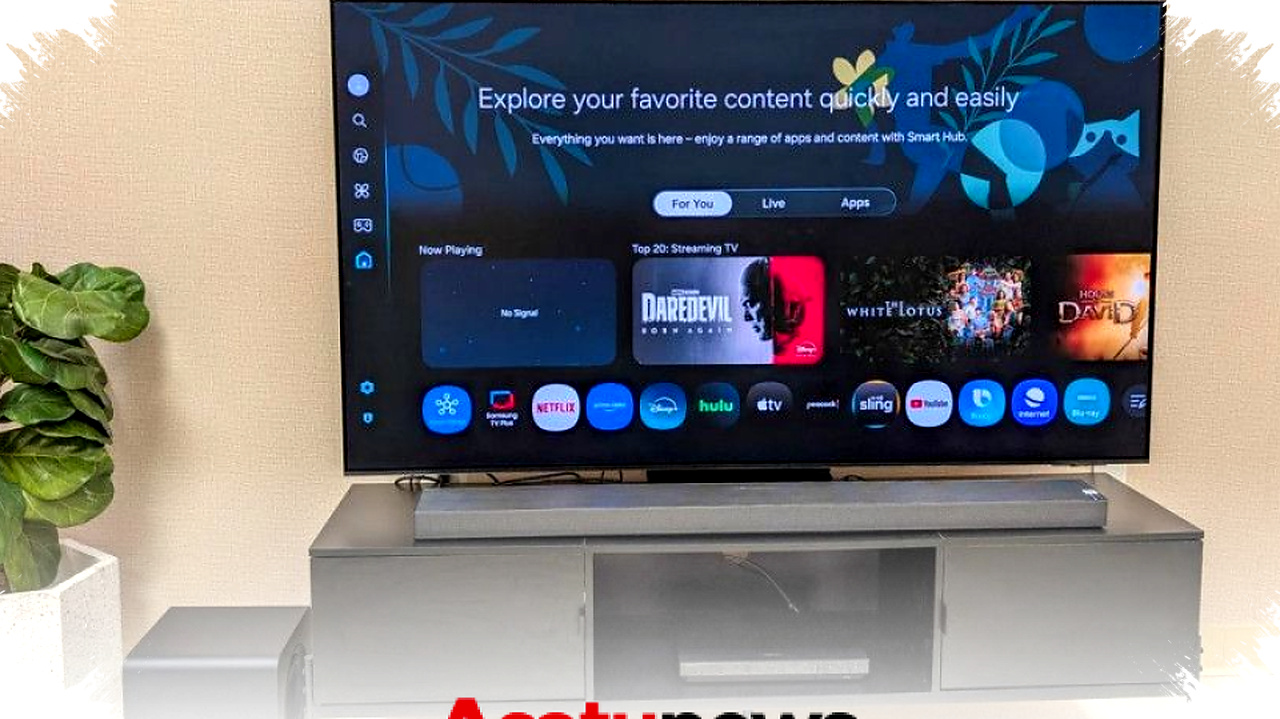
The smart TV market offers a wide range of choices for buyers who want a practical upgrade without overspending. In the current lineup, entry-level models start at around $110, while larger and more advanced sets can cost well above $380 depending on the panel, software, and feature set.
For many households, the best smart TV is no longer the biggest one, but the one that balances picture quality, audio, connectivity, and daily convenience. Based on the latest market data from Medcom and the reference models provided, these are some of the strongest smart TV options to consider for 2026.
What buyers should prioritize first


A smart TV purchase now depends on more than screen size. Resolution, HDR support, operating system, and streaming access matter just as much because most users rely on the TV for online content, sports, and gaming.
Digital TV support also matters in many markets, especially for households that want a smoother setup without extra set-top boxes. Features such as Miracast, dual-band Wi-Fi, Bluetooth, and gaming modes can also make a noticeable difference in everyday use.
1. Polytron HD 32-inch PLD 32CV1869S
This model fits buyers who want a simple and affordable smart TV for bedrooms, kitchens, or compact living spaces. It uses a 32-inch LED panel with HD resolution at 1366 x 768 pixels, which is enough for casual viewing at a moderate distance.
Priced at around $110, the TV runs on Smart TV Lite and supports popular apps such as YouTube and Vidio. It also includes Miracast, making it easy to mirror content from a smartphone without additional accessories.
2. Akari 43-inch SW-5743S
For buyers who want sharper detail, the Akari 43-inch SW-5743S brings 4K UHD resolution at a more accessible price point. The model is sold at roughly $214 and supports DVB-T2 digital broadcasting, so it can receive terrestrial channels without extra hardware.
It also includes dual-band Wi-Fi, Bluetooth 5.1, and multiple HDMI ports for streaming devices, consoles, or sound systems. Those features make it a practical option for family entertainment in a living room setup.
3. Samsung UA43U8000F
Samsung’s UA43U8000F targets users who want a more polished picture engine in the mid-range class. It uses Crystal UHD technology and a Crystal Processor 4K, which helps upscale lower-resolution content so it appears clearer and more refined.
The TV runs on Tizen OS and carries a price near $227. HDR support also improves contrast in bright and dark scenes, which can help movies, sports, and series look more balanced on a daily basis.
4. Toshiba 43C350RP
Toshiba’s 43C350RP stands out because it combines Dolby Vision and Dolby Atmos in one package. That pairing appeals to viewers who care about both image depth and more immersive sound, especially for films and streaming content.
The model also supports gaming features such as VRR and ALLM through REGZA Engine. That makes it more suitable for modern consoles, where smoother frame handling and lower input delay can improve the experience.
5. LG 50UT8050PSB
The LG 50UT8050PSB enters the larger-screen category with a 50-inch panel and AI Processor 4K Gen 7. Its AI-based processing helps refine image quality automatically, while HDR10 Pro adds more detail and contrast to supported content.
This model is a strong fit for users who want a bigger display without jumping into premium-tier pricing. It is particularly relevant for mixed use, including streaming, television, and casual gaming in a medium-to-large room.
6. Samsung QA50Q7FA
Samsung’s QA50Q7FA uses QLED technology based on Quantum Dot, which typically supports richer and more accurate colors. At about $378, it sits above the entry and mid-range segment, but the picture technology and audio extras make the higher price easier to justify.
The TV also includes Object Tracking Sound Lite and Q-Symphony, which can improve sound placement when paired with compatible Samsung audio devices. For viewers who want a more cinematic feel, this model offers a well-rounded package.
7. Samsung UA70DU7000 and LG 65UA7550PSA
These two models move into the large-screen premium category, with sizes reaching up to 70 inches. Such dimensions create a more immersive effect for films, sports, and home entertainment spaces that can accommodate a bigger panel.
The main appeal here is scale. For users who already own a spacious room and want a theater-like viewing experience, larger screens can deliver more impact than smaller sets with similar feature lists.
Quick comparison of the featured models
| Model | Size | Key strength | Approx. price |
|---|---|---|---|
| Polytron PLD 32CV1869S | 32-inch | Basic smart features, Miracast | $110 |
| Akari SW-5743S | 43-inch | 4K UHD, DVB-T2, strong connectivity | $214 |
| Samsung UA43U8000F | 43-inch | Crystal UHD, 4K upscaling, Tizen OS | $227 |
| Toshiba 43C350RP | 43-inch | Dolby Vision, Dolby Atmos, gaming support | not stated |
| LG 50UT8050PSB | 50-inch | AI Processor 4K Gen 7, HDR10 Pro | not stated |
| Samsung QA50Q7FA | 50-inch | QLED, better color accuracy, premium audio | $378 |
| Samsung UA70DU7000 / LG 65UA7550PSA | 65 to 70-inch | Large-screen immersion | not stated |
How to choose the right smart TV for the room
Room size should guide the final choice more than popularity alone. A 32-inch set works well for compact spaces, while 43-inch and 50-inch models suit most living rooms that need a stronger visual presence without overwhelming the area.
Users who watch a lot of streaming content may benefit from HDR support, strong upscaling, and a reliable operating system. For gamers, refresh-related features and low-latency modes matter more than extra apps, especially when the TV connects to modern consoles.
Why software matters as much as hardware
Modern smart TVs are not only display devices but also software platforms. Systems like Tizen OS and Smart TV Lite determine how fast the interface loads, how smoothly apps open, and how easy it is to switch between live TV and streaming services.
Artificial intelligence also plays a bigger role in image processing. Features like AI Processor 4K Gen 7 and Crystal Processor 4K can improve lower-resolution material, which is useful because many households still watch a mix of digital broadcasts, older videos, and online content.
What makes the strongest value in this price range
Value depends on the balance between price and features, not on one specification alone. A lower-priced model may be ideal if the goal is basic streaming, while a higher-priced QLED set may justify the premium through color accuracy, brightness, and sound integration.
For many buyers, the most sensible choices are the Akari 43-inch SW-5743S, Samsung UA43U8000F, and Toshiba 43C350RP because they cover the most common needs at different levels of refinement. Larger options from LG and Samsung become more attractive when the room size and budget can support a more cinematic upgrade.