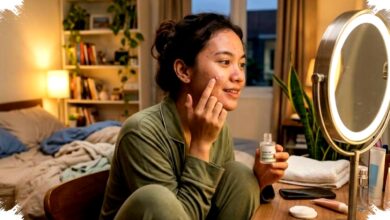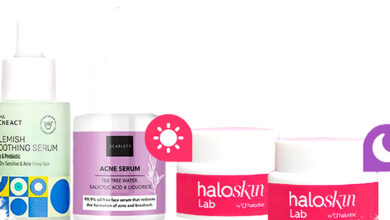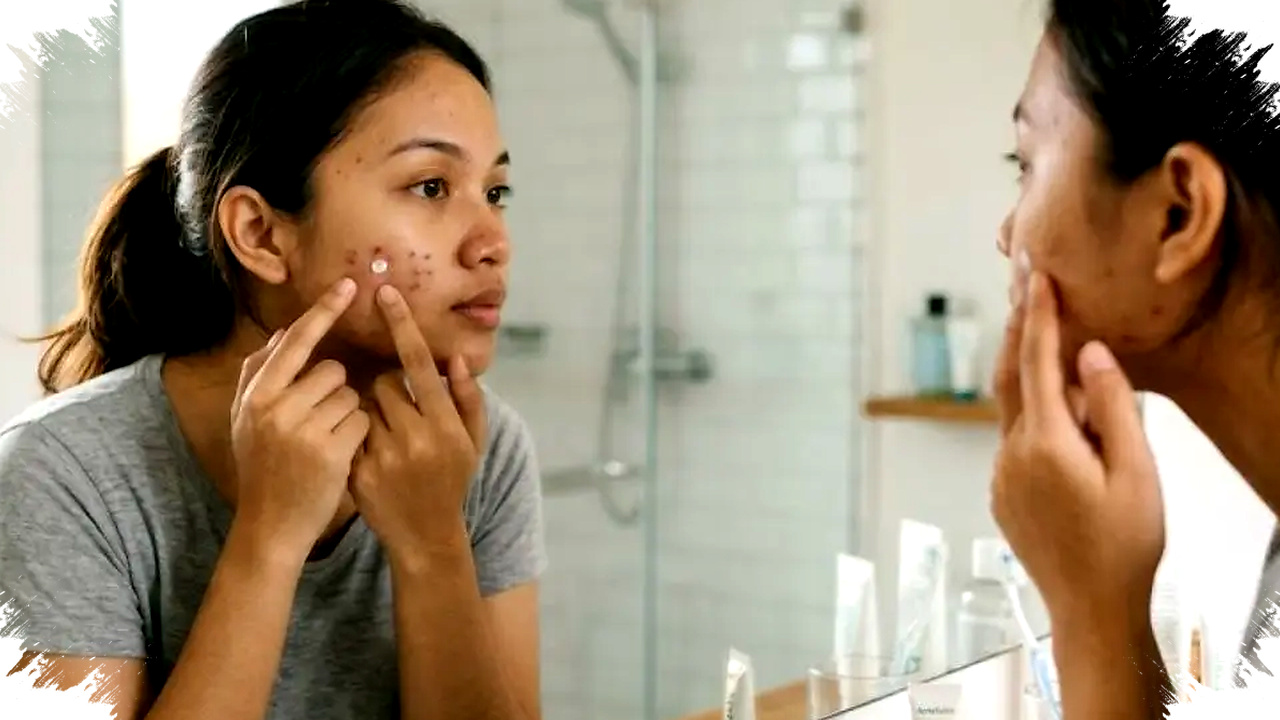
Acne spot treatment has become one of the most searched skincare solutions for people who want to calm pimples fast. The appeal is simple: it targets the blemish directly, uses concentrated active ingredients, and can help reduce redness, oil buildup, and swelling without covering the entire face with heavy products.
For many users, the goal is not just to treat acne, but to make a pimple look less inflamed by the next morning. That is why spot treatment products remain popular in daily routines, especially for sudden breakouts caused by stress, lack of sleep, hormonal changes, or excess oil production.
Why acne spot treatment works differently

Unlike regular moisturizers or face creams, acne spot treatment is designed for precise application on a single blemish or a small breakout area. This allows active ingredients to work where they are needed most, instead of spreading across the whole skin surface.
Dermatology guidance generally supports the use of common acne-fighting ingredients such as salicylic acid, benzoyl peroxide, sulfur, glycolic acid, niacinamide, and soothing plant extracts. Mayo Clinic notes that salicylic acid can help unclog pores, while benzoyl peroxide helps reduce acne-causing bacteria and inflammation.
1. Skinflair Acne Spot Treatment
Skinflair Acne Spot Treatment is one of the most practical options for people looking for a lightweight daily spot solution. The product is formulated to help manage several acne types, including pustules, papules, whiteheads, nodules, and even cystic spots.
Its salicylic acid content helps clean clogged pores by removing oil and debris that often trigger breakouts. Tea tree supports the healing process, while niacinamide helps control excess sebum that can make acne worse.
The formula also includes centella asiatica and calendula, two ingredients often used in soothing skincare because they may help reduce visible redness and irritation. Its watery gel texture makes it easy to apply without feeling heavy, greasy, or overly harsh on the skin.
2. Finally Found You Acne Protectea Spot Treatment
Finally Found You Acne Protectea Spot Treatment is positioned for people with sensitive and oily skin that tends to break out repeatedly. The formula uses spicule technology, which is designed to help deliver active ingredients deeper into the skin for more targeted action.
Salicylic acid works to clear pores from excess sebum and trapped dirt, which are common contributors to acne flare-ups. The product also contains glycolic acid, an exfoliating ingredient that may help improve rough texture and support fading of post-acne marks over time.
Because it focuses on both active blemishes and early signs of congestion, this type of spot treatment can be useful for skin that needs stronger intervention without relying on a full-face acne product. The formula is especially relevant for users who want treatment that addresses both pimples and lingering dullness.
3. Benzac AC Gel
Benzac AC Gel is widely known in acne care because it uses benzoyl peroxide, one of the most established acne-fighting ingredients in dermatology. The American Academy of Dermatology has long identified benzoyl peroxide as effective for inflammatory acne because it helps reduce acne-causing bacteria and calms breakouts.
This gel is commonly used for pimples that feel swollen, red, or tender. Its fast-acting formula makes it a common choice for spot use, especially when the aim is to shrink an active blemish rather than treat general skin texture.
Still, benzoyl peroxide can be drying or irritating for some skin types, so users usually need to start with a thin layer and pair it with a gentle moisturizer. That balance matters because overuse can damage the skin barrier and make irritation worse instead of better.
4. La Roche-Posay Effaclar Duo Acne Treatment
La Roche-Posay Effaclar Duo is often recommended for acne-prone skin because it combines targeted acne care with a formula that is generally considered more skin-friendly than harsh drying gels. In many markets, the product is known for using benzoyl peroxide or acne-targeting ingredients depending on regional formulation.
Its appeal lies in its dual function: it helps fight active breakouts while also supporting clearer-looking skin over time. Many users choose it because it does not just attack a pimple on the surface, but also helps reduce the chance of repeated blockage in pore-prone areas.
This makes it a strong option for people dealing with recurring chin acne, forehead breakouts, or small inflammatory spots on oily skin. Dermatology experts often remind users that consistency matters more than how strong a product feels on the skin, so a tolerable formula can be more effective in the long run.
5. The Ordinary Salicylic Acid 2% Solution
The Ordinary Salicylic Acid 2% Solution remains a popular acne spot option because it uses a straightforward formula built around one key active. Salicylic acid is oil-soluble, which means it can move into pores and help clear the buildup that often leads to pimples and blackheads.
This option is often used when breakouts start as clogged pores or small bumps before they become inflamed. It can also fit into a simple skincare routine because it has a minimal ingredient profile and direct acne-targeting approach.
For people with oily skin, it can be especially useful on T-zone areas where sebum production is high. However, as with other exfoliating products, it works best when used carefully to avoid over-drying or triggering sensitivity.
How to choose the right acne spot treatment
Choosing the best acne spot treatment depends on skin type, acne severity, and ingredient tolerance. People with oily and acne-prone skin often do well with salicylic acid, while those dealing with inflamed red pimples may respond better to benzoyl peroxide or products that combine acne-fighting and soothing ingredients.
Sensitive skin usually needs a gentler formula with calming agents such as centella asiatica, niacinamide, or calendula. Stronger exfoliating products like glycolic acid should be used carefully, especially when the skin barrier already feels compromised.
Simple rules for using spot treatment effectively
- Clean the skin first with a gentle cleanser, then dry it completely.
- Apply only a thin layer directly on the pimple, not over the full face.
- Start once daily to check tolerance, especially with stronger actives.
- Use moisturizer to reduce dryness and support the skin barrier.
- Wear sunscreen during the day because some acne treatments can increase sensitivity.
Spot treatment tends to work best on fresh, active pimples rather than deep cystic acne that has already become severe. In cases where acne is painful, widespread, or keeps returning despite treatment, a dermatologist can help identify the cause and recommend prescription options that may work more effectively than over-the-counter products.
For readers who want a fast-response skincare step, acne spot treatment remains one of the most direct tools available. With the right ingredient match, it can help reduce redness, calm inflammation, and make breakouts easier to manage without disrupting the entire skincare routine.