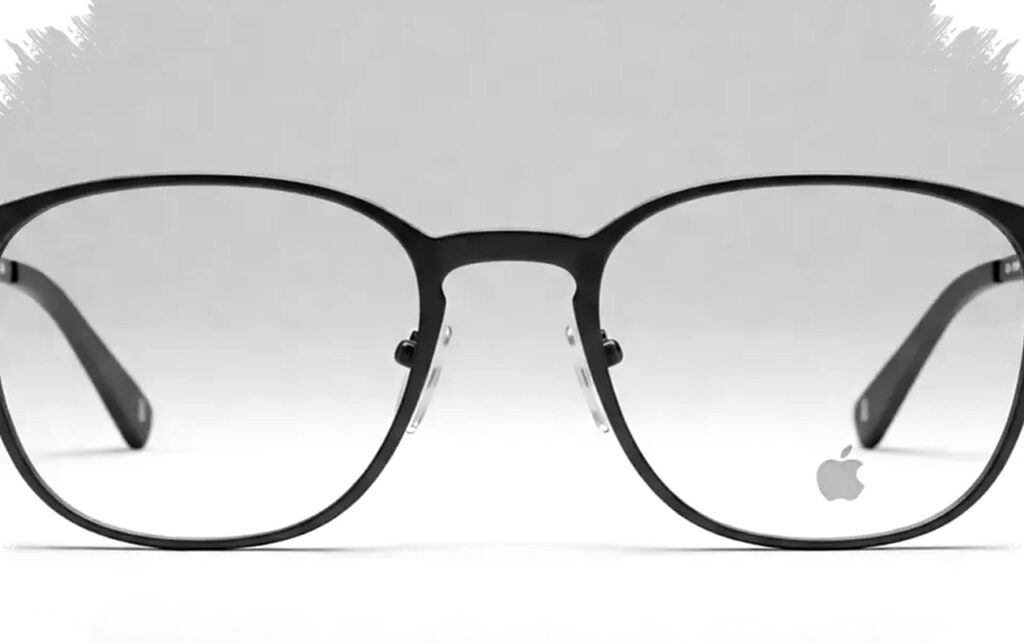
Smart glasses are moving from niche gadgets to practical wearables that many consumers can now afford. For shoppers who want hands-free calls, notifications, music, navigation, or even AI help, budget models can offer a useful first step without the cost of premium mixed-reality devices.
The lower price range has also widened the market. AI glasses focus on voice commands, translation, and audio, while AR glasses aim to project virtual displays that can replace a phone or laptop screen, according to Tom’s Guide.
Why budget smart glasses are gaining attention
Affordable smart glasses appeal to users who want convenience first. They keep phones in the pocket while still handling calls, voice prompts, and lightweight entertainment.
The category also benefits from better battery efficiency, lighter frames, and improved microphones. That makes entry-level products more practical than the early wave of wearable glasses, which often looked experimental and felt too expensive for everyday use.
1. Wireless AI Smart Glasses: the lowest-cost entry point
Wireless AI Smart Glasses sit at the most accessible price tier, at under $40. They usually cover the basics, including music playback, call handling, and voice control.
They do not offer an AR display, but that limitation also helps keep the price down. For many first-time buyers, that trade-off is acceptable because the device still delivers hands-free convenience.
These glasses are also designed to stay light on the face during long use. Some versions include photochromic lenses, which adjust to changing light and improve comfort outdoors.
2. AI audio glasses for daily commuting
A second option is the category of AI audio glasses that focus on sound and simple smart functions. These models commonly use open-ear speakers, which let users hear music and calls while staying aware of the surroundings.
That design works well for commuting, short walks, and office use. The open-ear approach also reduces the pressure that some users feel with in-ear earbuds.
Most products in this class remain in the lower budget segment, often around the $40 to $80 range depending on battery size, lens type, and voice-assistant integration.
3. Translation-focused smart glasses
Travelers and multilingual users may prefer smart glasses built around translation features. These models use microphones and AI processing to support voice translation, which can help during meetings, airport transfers, or simple conversations abroad.
The value of this category lies in its utility rather than visual spectacle. Instead of replacing a phone screen, the glasses act as a quick communication tool that feels more natural during face-to-face interaction.
Many translation-driven models still stay below $100, making them one of the more practical options for users who need language support without buying a flagship wearable.
4. Lightweight AR glasses for screen mirroring
AR glasses occupy a more advanced position because they can project a virtual screen in front of the eyes. In practice, that means users can mirror a smartphone, tablet, or laptop display for watching content or reviewing documents.
These glasses are usually more expensive than AI audio models, but the low-end segment has started to improve. Some entry-level AR devices are now available around $100 to $150, which is far below the traditional premium range.
For productivity or entertainment, this category offers the most visible shift in usage. It can turn a small mobile screen into a larger private display without requiring a physical monitor.
5. Smart glasses with voice assistant features and long battery life
Another attractive budget option is a model that combines voice assistant access with extended battery life. This type suits users who spend much of the day outside the home and need reliable access to calls, reminders, and audio playback.
Battery performance matters because smart glasses are expected to stay useful across a full commute or workday. Devices in this class often compete by offering longer standby time rather than more complex hardware.
Many of these glasses still land below $150, which keeps them within reach for consumers who want general-purpose smart features instead of specialized AR functions.
Quick comparison of the five budget categories
| Type | Main function | Typical use | Approximate price |
|---|---|---|---|
| Wireless AI Smart Glasses | Calls, music, voice control | First-time users | Under $40 |
| AI audio glasses | Open-ear audio, basic smart control | Commuting, daily wear | $40–$80 |
| Translation glasses | Voice translation | Travel, meetings | Under $100 |
| Lightweight AR glasses | Virtual screen mirroring | Entertainment, productivity | $100–$150 |
| Voice assistant glasses | Commands, reminders, longer battery | All-day use | Under $150 |
What buyers should check before purchasing
Battery life should be one of the first considerations because smart glasses rely on small frames and compact components. A model with weak endurance can feel frustrating even if its feature list looks strong on paper.
Comfort also matters because wearables work best when users can forget about them during use. Frame weight, nose support, and lens compatibility should all be checked before buying, especially for people who plan to wear the device for hours.
Feature claims deserve close attention as well. Some products advertise AI support, but in practice they may only provide basic audio functions, so it helps to read the specifications carefully and look for clear support from the manufacturer.
Why the market is becoming more practical
The biggest shift in smart glasses is affordability. Fewer users today need to spend premium money just to try wearable audio or simple AI features.
That trend is helping the category move beyond early adopters. As more brands compete in lower price bands, buyers can expect better value, more polished designs, and a wider range of uses for daily life.
For consumers who want a low-cost way to explore wearable tech, these five categories show that smart glasses are no longer limited to luxury buyers. They now offer a realistic option for calls, music, translation, and even virtual screens at prices that are increasingly within reach.