


Huawei’s separation from Google is no longer a temporary breakup. It has turned into a structural divide shaped by policy, technology, and strategy, making a return to Google Mobile Services in the foreseeable future look highly unlikely.
For users who still hope to see Huawei phones regain full Google support, the answer is increasingly simple: the gap is no longer only about software access, but about an ecosystem that has already moved on. Based on the current market reality and Huawei’s own direction, a comeback to Google in the same form as before appears nearly impossible.
Why the Google return looks unlikely
The first barrier is political, and it remains the most decisive. Huawei is still on the U.S. Entity List, which means American companies face legal restrictions in working with the Chinese giant on certain technologies and services.
That status blocks Google from officially licensing Google Mobile Services to Huawei devices. Without a policy shift from Washington, the door stays closed, and no commercial workaround can fully replace that legal limitation.
Huawei has already built a new foundation
Huawei also no longer behaves like a company waiting for permission. It has developed HarmonyOS NEXT, a version of its operating system that is designed to stand on its own.
Unlike earlier versions, HarmonyOS NEXT is no longer based on Linux or Android in the way many users once expected. That change matters because it removes direct support for running raw APK files, pushing Huawei deeper into its own app environment.
The company now places stronger emphasis on native apps inside Huawei AppGallery. That move signals a long-term commitment to independence, not a plan to restore dependence on Google.
The scale of HMS makes reversal expensive
Huawei Mobile Services, or HMS, has become another major reason a return is difficult. Huawei has invested heavily in building its own alternatives to Google services, including cloud storage, navigation tools such as Petal Maps, and a dedicated app store.
Those investments are not small experiments. They represent years of infrastructure work, developer outreach, and ecosystem building that would lose relevance if Huawei suddenly returned to the Google stack.
For a company that has spent so much to build a parallel system, going back would not just be a technical switch. It would mean undermining one of its strongest strategic bets.
China’s larger technology strategy matters too
Huawei’s move also aligns with a wider national priority in China. A successful domestic operating system is more than a consumer product; it is a symbol of technological sovereignty.
That makes a renewed dependence on an American platform politically unattractive. In strategic terms, returning to Google would be seen as a step backward in China’s long-term effort to reduce reliance on Western technology.
This is one reason the Huawei-Google split looks permanent rather than temporary. Both sides now operate within different priorities, and those priorities no longer point toward reunion.
What this means for consumers
In markets such as Indonesia, the absence of official Google services still affects buying behavior. Many consumers list Google Maps, Gmail, YouTube, and Play services as basic requirements when choosing a smartphone.
Huawei devices are often praised for their hardware quality. Even so, software compatibility remains a major consideration for mainstream buyers who rely on familiar Google tools every day.
Huawei users have not been left without options, though. The company and its community have created several workarounds that help popular Google-linked apps function in limited ways.
-
GBox or GSpace
These apps create a virtual environment where Google services can run inside a sandbox on Huawei phones. -
MicroG
This open-source project helps certain apps that depend on Google services continue working without official GMS. - Huawei AppGallery
This is Huawei’s main app distribution platform, where the company continues to expand native app availability.
These options offer practical access, but they do not equal full official Google support. For many users, that difference remains important, especially when app stability, security updates, and seamless integration matter.
The hardware is strong, but the ecosystem is the real battleground
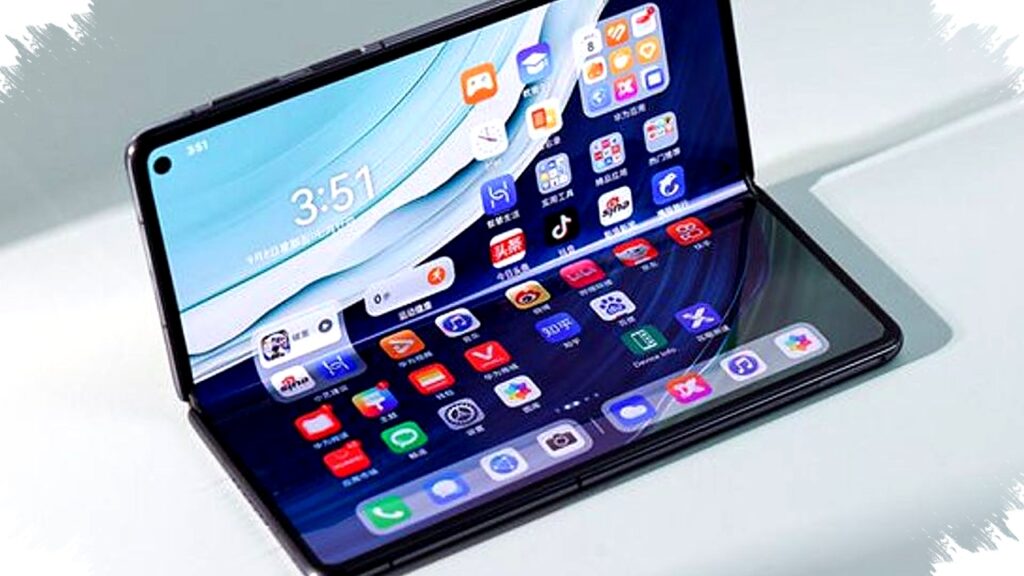
Huawei still earns attention for device design, camera systems, and premium hardware engineering. The company’s foldable lineup, for example, continues to showcase advanced components, high-end screens, and features such as satellite connectivity for limited-signal communication.
That kind of hardware leadership helps Huawei stay relevant in the premium segment. But in modern smartphones, hardware alone does not decide success.
The real competition now sits in ecosystems, app availability, cloud integration, account services, and developer support. Apple and Google built their dominance by making those layers deeply connected, and Huawei is now trying to do the same on its own terms.
Why 2026 does not change the outlook
By this stage, the gap between Huawei and Google has become more than a sanctions story. It has become a product strategy issue, a developer ecosystem issue, and a geopolitical issue at the same time.
Even if political relations improve, Huawei would still face several obstacles before any meaningful Google comeback could happen. The company has already restructured its software identity, built its own services, and trained users to accept a different platform model.
That makes any reversal costly and slow. It also reduces the incentive for Huawei to go back, because doing so would weaken the system it has worked hard to create.
Key factors behind the split
| Factor | Impact on Huawei-Google relations |
|---|---|
| U.S. Entity List | Blocks official Google service licensing |
| HarmonyOS NEXT | Pushes Huawei toward a fully independent OS |
| HMS investment | Makes a return to Google inefficient |
| China’s tech policy | Supports domestic platform independence |
The market may still keep asking whether Huawei will ever “return to Google.” Yet the more important question now is whether Huawei even needs to.
With HarmonyOS NEXT, HMS, AppGallery, and a growing set of local services, Huawei is no longer building a bridge back. It is building a separate road, and that road is already taking it farther away from Google’s ecosystem.