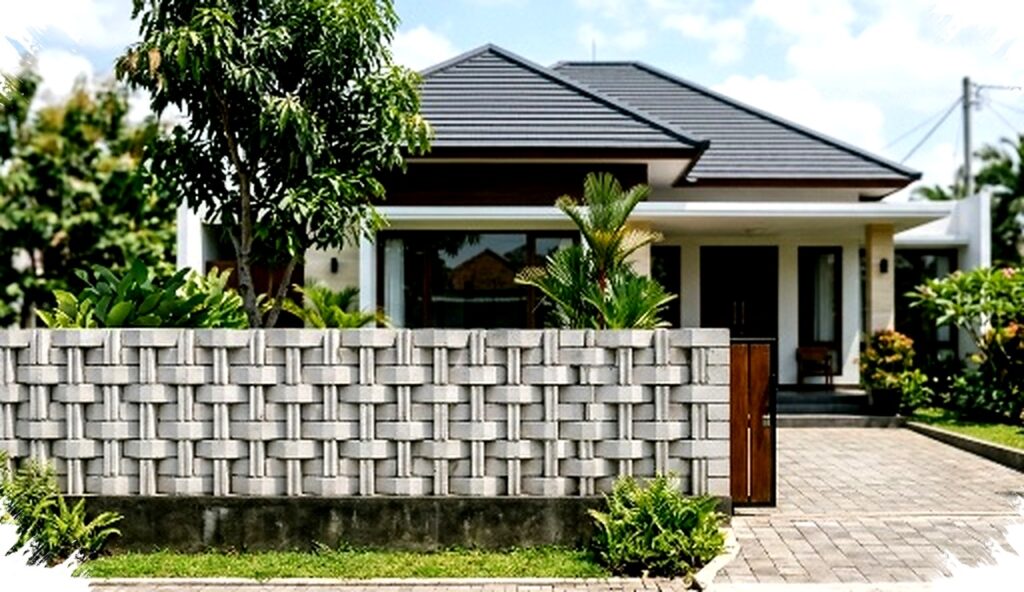
Home design trends continue to evolve beyond interior styling, and many homeowners now pay close attention to the front facade and outdoor structure. Interest has grown around hebel fences and minimalist canopies because both elements combine function, durability, and a clean visual appearance.
A well-designed fence and canopy can shape the first impression of a house. They also help protect the property while keeping the exterior look modern, practical, and visually consistent.
Why Hebel Fences Are Drawing More Attention
Hebel, or lightweight concrete blocks, has become a popular material for fences because it offers a firm structure and a flexible surface for design. The material can be shaped into simple, geometric, or layered forms, which makes it suitable for houses that aim for a minimalist style.
The fence is often the first element seen from the street, so its design matters more than many owners realize. A hebel fence gives a solid impression without looking too heavy when the proportions and finishing are arranged carefully.
Design Advantages That Make Hebel Stand Out
Hebel fences appeal to homeowners who want a balance between privacy and appearance. The material supports a clean look, and it can be combined with paint, natural textures, or metal details to create a more refined facade.
Here are several reasons the material remains attractive:
- It provides a solid and durable boundary for the house.
- It supports many design variations, from simple lines to layered forms.
- It can be finished with different colors and textures.
- It helps create a modern and neat exterior appearance.
- It works well with minimalist architecture.
These advantages explain why hebel is increasingly used not only for interior walls, but also for front fences that need to look strong and presentable.
Five Popular Hebel Fence Concepts
Several design approaches stand out when using hebel for a house fence. Each one can be adapted to different lot sizes and exterior styles.
Solid Minimalist Fence
This design uses straight lines and a clean surface. It suits homes that want privacy and a calm visual expression.Combined Material Fence
Hebel is paired with metal, wood-look panels, or natural stone accents. The result feels more dynamic without losing the modern character.Layered Height Fence
Different heights create a more dimensional look. This style can make the facade appear more structured and balanced.Patterned Openings Fence
Small gaps or decorative cutouts can reduce a heavy appearance. The design still protects the home while allowing airflow.- Neutral Tone Fence
Soft colors such as white, gray, or beige help the fence blend into a minimalist exterior. This option is often preferred for a tidy and timeless look.
Each style shows that hebel is not limited to plain construction. It can support a broad range of expressions depending on how the facade is planned.
Minimalist Canopies as a Functional Exterior Element
Canopies have also become an important part of exterior design because they provide shade and rain protection without taking too much visual space. In many homes, the canopy completes the front area by making it more comfortable and more usable.
A minimalist canopy usually uses clean lines, slim framing, and simple materials. The design avoids unnecessary decoration so the structure stays light and modern, especially when installed above a carport, terrace, or entrance area.
Why Baja Ringan Canopies Are Favored
Light steel, or baja ringan, is widely used for canopies because it is practical and visually neat. The material supports a slim profile, which helps the canopy appear less bulky than traditional structures.
It also offers flexibility in roof design. Homeowners can choose flat, slanted, or slightly curved forms depending on the climate, the size of the house, and the desired appearance.
The popularity of this type of canopy comes from its ability to deliver multiple benefits at once. It protects the exterior from weather exposure while keeping the overall architecture clean and contemporary.
Simple Guide to Choosing the Right Fence and Canopy
A good exterior plan should connect the fence, canopy, and main building so the house looks coherent. The following steps can help guide the selection process:
- Identify the main style of the house, such as minimalist, tropical, or modern.
- Choose materials that match the visual tone of the facade.
- Adjust the height and proportions to avoid a heavy appearance.
- Prioritize weather resistance and low maintenance.
- Use finishes and colors that support a unified exterior concept.
When the front fence and canopy share similar lines or tones, the whole house usually looks more polished and organized.
Table: Common Material Options and Their Visual Effect
| Element | Common Material | Visual Effect |
|---|---|---|
| Fence body | Hebel | Solid, clean, flexible |
| Fence accent | Metal or stone | More texture and contrast |
| Canopy frame | Baja ringan | Slim and modern |
| Canopy roof | Metal sheet or polycarbonate | Practical and weather-friendly |
This simple structure helps illustrate why many homeowners combine these materials in one exterior concept. The result often feels functional without sacrificing style.
What Makes the Combination Relevant Today
The growing interest in exterior design reflects a wider shift in how houses are evaluated. A home is no longer seen only from the inside, because the front area now plays a major role in comfort, security, and visual appeal.
Hebel fences and minimalist canopies fit this demand because they answer both practical and aesthetic needs. They create a house frontage that looks orderly, protects daily activity, and supports a contemporary lifestyle.
In many urban neighborhoods, this combination also helps a house appear more polished without excessive ornamentation. That is why homeowners looking for a neat facade often choose materials that are simple, durable, and easy to integrate into modern residential design.
A thoughtful exterior plan can make the front of a house feel more welcoming, and the pairing of hebel fences with minimalist canopies continues to show strong relevance for homes that want a balanced mix of structure, protection, and visual clarity.