Electric vehicles are no longer only a long-term tech trend. In Indonesia, they are becoming a practical daily transport option as fuel costs rise and charging access improves in major cities.
That shift matters for drivers who want lower operating costs, easier urban use, and fewer restrictions in places such as Jakarta. With more affordable models entering the market, several electric cars now offer a realistic path from gasoline ownership to cleaner and more efficient commuting.
Why daily EV ownership is becoming more practical


The main appeal of an electric car is not only lower energy cost per kilometer. It also removes routine expenses linked to oil changes, engine maintenance, and complex drivetrain parts that traditional cars still require.
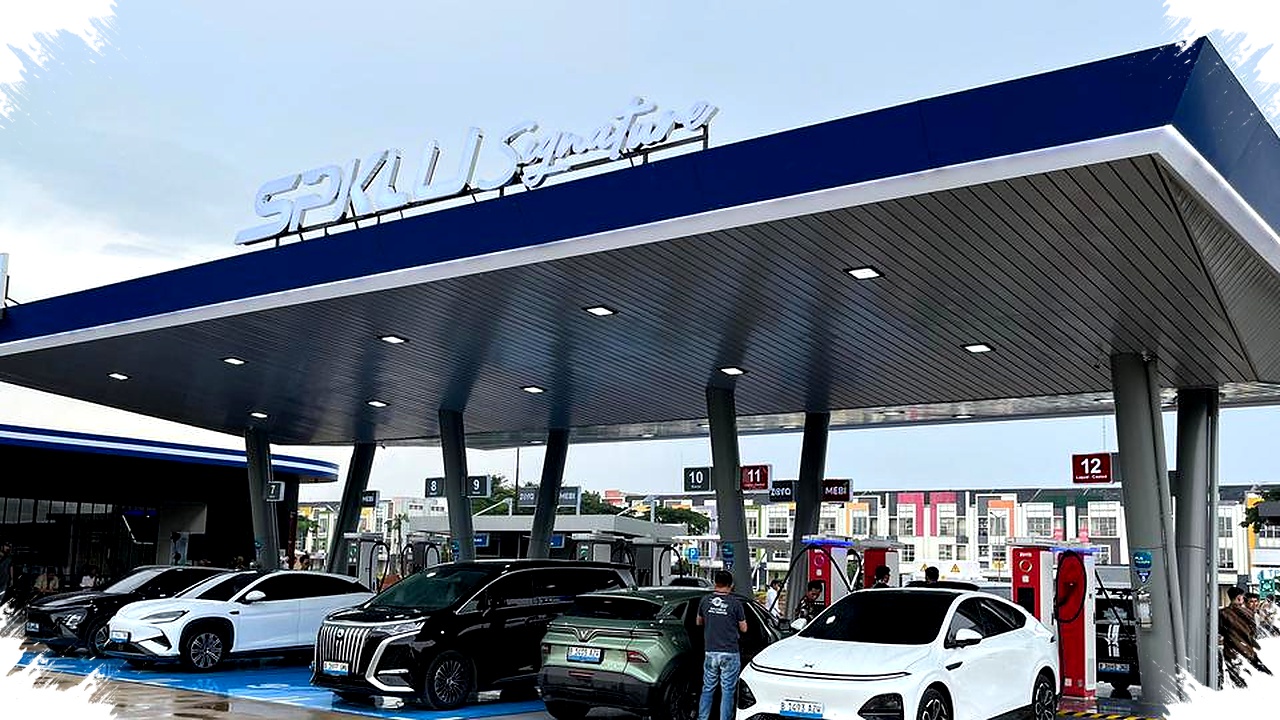
The reference data notes that charging stations are now easier to find in shopping centers, office buildings, and toll road rest areas. That broader charging network reduces range anxiety and makes electric cars more usable for work trips, errands, and weekend city driving.
Policy support also strengthens the case. Tax incentives and exemptions from Jakarta’s odd-even traffic rule make EV ownership more convenient for drivers who move through dense urban areas every day.
Five electric cars that fit daily use
The current market offers more than one answer for practical electric mobility. The most relevant choices are models that balance price, range, cabin usability, and ownership efficiency.
-
Wuling Air EV
This compact EV fits short urban commutes and tight city parking spaces. Its small footprint and relatively accessible price make it one of the easiest entry points for first-time EV buyers. -
BYD Dolphin
The Dolphin positions itself as a more versatile hatchback-style option. It offers a modern cabin, usable range for city and suburban driving, and a package that appeals to buyers who want a more complete daily car. -
MG 4 EV
This model targets users who want stronger driving dynamics without giving up efficiency. Its size and feature set make it suitable for daily commuting as well as occasional longer trips. -
Neta V-II
The Neta V-II is designed as a practical urban EV with a focus on affordability and simple ownership. It can serve drivers who prioritize easy operation, decent range, and low daily running costs. - Hyundai Ioniq 5
The Ioniq 5 sits higher in the lineup, but it remains relevant as a practical family EV. Its larger size, fast-charging capability, and spacious interior make it attractive for households that need one electric car for multiple uses.
Simple comparison of daily-use priorities
| Model | Best for | Main strength | Daily-use note |
|---|---|---|---|
| Wuling Air EV | Urban commuting | Small size, easy parking | Ideal for short city routes |
| BYD Dolphin | Everyday all-round use | Balanced range and cabin space | Good for mixed city travel |
| MG 4 EV | Drivers who want more refinement | Better driving feel | Fits both work and weekend use |
| Neta V-II | Budget-conscious buyers | Practical ownership | A sensible first EV choice |
| Hyundai Ioniq 5 | Families and frequent users | Space and fast charging | Strong for multi-purpose use |
What makes an EV efficient for daily driving
Efficiency in an electric car goes beyond the battery size on the brochure. It depends on how often the car needs charging, whether the charging speed matches the owner’s routine, and how well the cabin space suits real-world travel.
For daily commuters, a practical EV should be easy to charge overnight at home or during office hours. That setup works best for users with regular routes and predictable driving patterns, because it keeps the car ready without much waiting.
Realistic range also matters more than headline numbers. A car that can comfortably cover the daily commute with reserve power will feel more efficient than a model with a larger battery but slower charging or higher ownership complexity.
Why electric cars are now more appealing than before
A few years ago, EV ownership in Indonesia often felt like a niche choice. Today, the market has expanded, public awareness has improved, and more brands are offering cars aimed at regular buyers instead of only early adopters.
The reference material also points out that prices have become competitive, with some models reaching levels that can challenge LCGC gasoline cars. That pricing pressure changes the comparison for buyers who previously saw electric cars as too expensive for routine use.
Lower operating costs can also reshape long-term ownership decisions. When fuel expenses continue to move upward, a car that relies on electricity can offer more predictable monthly spending, especially for drivers who cover many kilometers each week.
What daily buyers should check before choosing
A practical EV choice depends on more than the badge on the hood. Buyers need to compare home charging access, warranty coverage, service network, and battery efficiency before deciding.
- Charging access: A nearby home charger or regular access to workplace charging can make ownership much easier.
- Driving distance: Daily route length should match the car’s usable range with room to spare.
- Cabin needs: Families may need more rear seat room and luggage space than solo commuters.
- Ownership cost: Service packages, battery warranty, and insurance premiums should be reviewed together.
- Urban rules: Incentives such as tax benefits and traffic-rule exemptions can add real value in major cities.
For city users, compact EVs often offer the best balance of convenience and cost. For families or multi-use owners, larger models with faster charging and more space may justify a higher purchase price.
The direction of the market is clear
The daily EV segment in Indonesia is no longer limited to one type of buyer. From compact urban cars to larger family models, the market now gives consumers several practical ways to cut fuel dependence and lower routine transport costs.
As more charging points appear in public spaces and more brands compete on price and features, electric cars are moving closer to mainstream use. For drivers who want efficiency without giving up everyday practicality, the current lineup offers a stronger and more realistic set of options than ever before.