


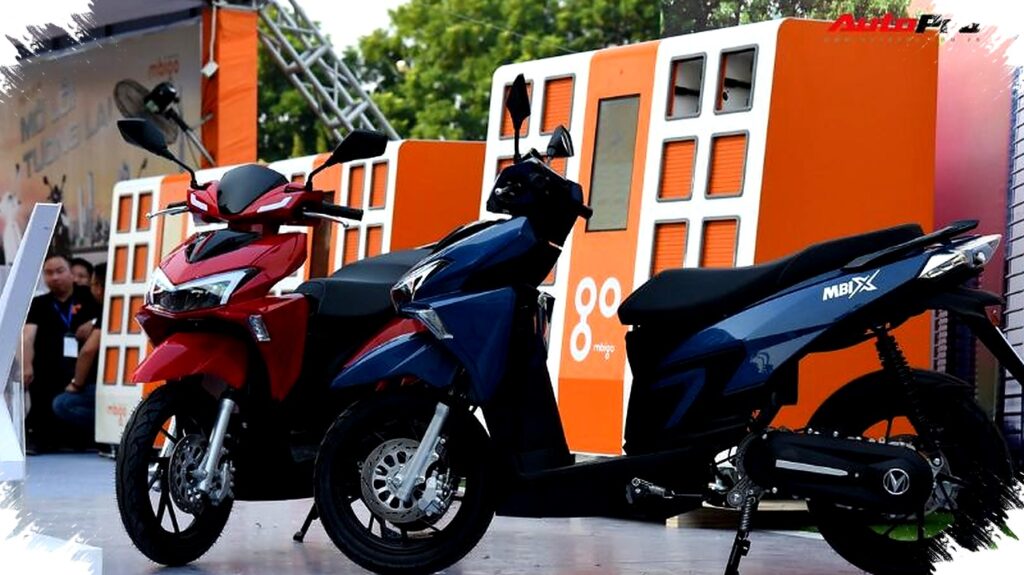
South Korea has become one of the more interesting sources of urban electric two-wheelers, especially for riders who want scooter-style comfort with compact dimensions and efficient battery use. Several Korean-built models now target city commuting with styling that resembles popular benchmarks such as the Yamaha Nmax or Vespa, while offering practical range figures that can reach up to 120 km.
That mix matters because city riders usually want three things at once: easy maneuverability, modern design, and low operating costs. Korean brands such as eMOA, E3 Mobility, and MBI are tapping into that demand with EV scooters that prioritize daily usability, making them relevant for short commutes, delivery work, and routine mobility in dense urban areas.
Why Korean electric scooters are drawing attention
The electric scooter market keeps expanding as cities push cleaner transportation and riders look for lower fuel and maintenance costs. Korean manufacturers have responded with models that are not only functional, but also visually polished, with larger-body styling that borrows the premium feel of maxi scooters.
This design direction helps explain why many of these models are often compared with Nmax- and Vespa-style scooters. The proportions are comfortable, the stance looks mature, and the equipment package usually supports day-to-day commuting instead of just short recreational rides.
1. eMOA E2: compact, efficient, and city-focused
The eMOA E2 stands out as a practical entry in the Korean EV scooter segment. It uses a 1,200-watt motor and a 72V/30Ah battery, a combination aimed at balancing range and everyday usability.
According to the source article, the scooter can travel up to 100 km and reach a top speed of 60 km/h. That makes it suitable for urban riding, neighborhood travel, and daily commuting where speed limits are usually modest.
2. E3 Mobility Deus 7: the sporty maxi-scooter option
The E3 Mobility Deus 7 takes a more aggressive approach with a bulky maxi-scooter design. Its proportions look closer to a premium city scooter, which can appeal to riders who want a more substantial road presence.
The model uses a 7 kW mid-drive motor and comes with three riding modes, plus a dual 96V 30Ah battery setup. The claimed range reaches up to 120 km, placing it among the more attractive choices for riders who want longer city coverage on a single charge.
3. MBI S: urban style with practical proportions
MBI S is part of the Korean EV lineup that targets riders who want a balance between styling and convenience. The model is positioned as a scooter for city use, with a build that fits the daily rhythm of stop-and-go traffic.
While the reference material lists MBI among the featured Korean brands, the broader appeal lies in its commuter-friendly format. Scooters in this class usually prioritize lightweight handling, easy parking, and battery efficiency over extreme speed.
4. eMOA E1: the starting point in the eMOA lineup
The eMOA E1 is the model that sits below the E2 and helps define the brand’s urban EV identity. It is designed for riders who want an accessible electric scooter with a straightforward setup and manageable running costs.
In practical terms, models like the E1 are often chosen for short daily trips, campus mobility, and residential-area commuting. Their value comes from efficiency and ease of use rather than high-performance riding.
5. E3 Mobility Deus series: premium-feel commuter design
Beyond the Deus 7, the broader Deus series reflects how Korean EV makers are leaning into scooter design that looks more refined and mature. The styling is one of the key selling points, especially for riders who want something that feels closer to a premium urban vehicle.
That premium impression matters in the EV segment, where first-time buyers often compare not only specifications, but also image and comfort. A well-proportioned scooter can be as important as range, especially in cities where the vehicle is part of daily personal style.
6. Other Korean EV scooters from emerging brands
The source article notes that Korea’s electric two-wheeler scene also includes other names beyond the best-known models, showing a broader ecosystem rather than a single dominant product line. This matters because competition tends to push better batteries, better packaging, and more refined city-oriented features.
For buyers, that means more choice across commuting needs, from compact scooters built for short routes to larger models that support longer distances. The strongest models in this group usually combine enough range for daily use with design cues that feel modern and premium.
Quick comparison of the main models
| Model | Motor | Battery | Claimed Range | Top Speed | Main Appeal |
|---|---|---|---|---|---|
| eMOA E2 | 1,200 W | 72V/30Ah | 100 km | 60 km/h | Efficient city commuting |
| E3 Mobility Deus 7 | 7 kW mid-drive | Dual 96V 30Ah | 120 km | Not stated in source | Maxi-scooter style and longer range |
| MBI S | Not stated in source | Not stated in source | Not stated in source | Not stated in source | Urban scooter positioning |
| eMOA E1 | Not stated in source | Not stated in source | Not stated in source | Not stated in source | Entry-level city use |
| Deus series variants | Not fully stated in source | Not fully stated in source | Up to 120 km in Deus 7 | Not stated in source | Premium commuter design |
| Other Korean EV scooters | Varies | Varies | Varies | Varies | Broader city mobility choices |
What makes these scooters relevant for city riders
Urban riders usually prioritize practicality over raw power, and these Korean models answer that need with compact dimensions, efficient battery systems, and scooter-friendly ergonomics. Range figures such as 100 km and 120 km are important because they reduce charging anxiety and support daily routines without frequent stops.
The styling also plays a major role. A scooter that looks modern can attract buyers who want an EV that feels more like a personal mobility product than a basic transport tool, especially in dense cities where design and presence often matter as much as function.
Korean EV scooter trends to watch
The Korean electric scooter segment appears to be moving toward stronger batteries, cleaner bodywork, and more premium riding positions. That trend mirrors broader global demand for electric two-wheelers that can replace gasoline scooters in city environments without sacrificing comfort.
Models such as the eMOA E2 and E3 Mobility Deus 7 show how manufacturers are matching real commuting needs with style-led design. As battery technology improves and urban charging infrastructure expands, these scooters are likely to become even more relevant for riders who want efficient, stylish mobility with useful daily range.