


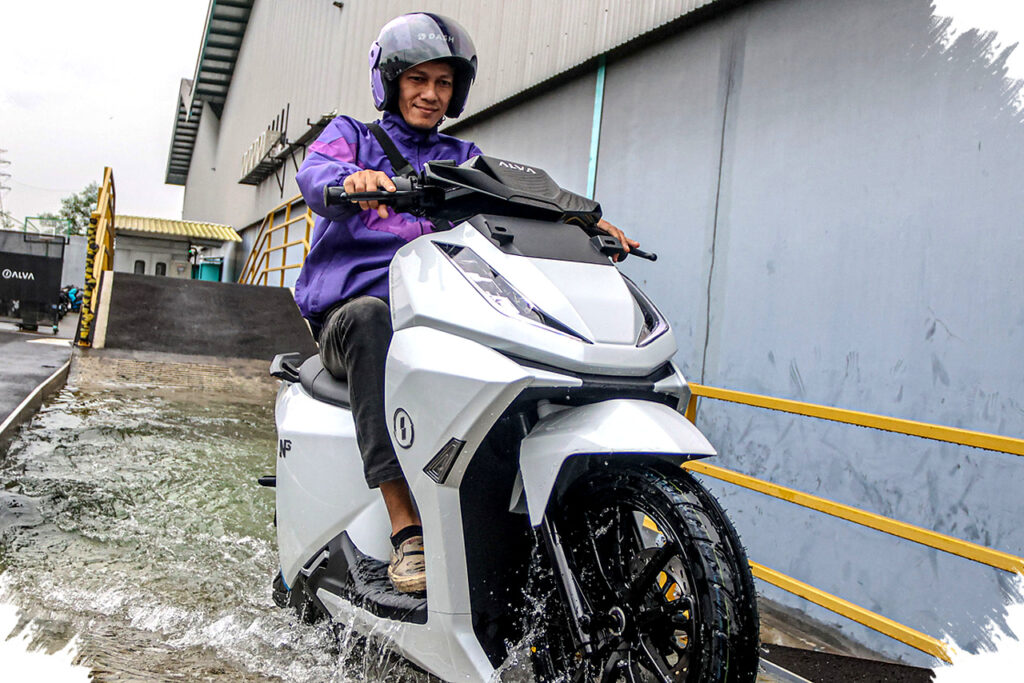
Electric motorcycles are gaining stronger demand in Indonesia as riders look for lower daily running costs and cleaner mobility. Rising fuel prices, better battery technology, and more practical charging options have pushed many buyers to compare electric models with the same seriousness once reserved for petrol scooters.
The latest market trend shows that electric two-wheelers are no longer limited to short urban trips. Several models now offer sharper acceleration, longer range, and features such as fast charging, battery swapping, and digital connectivity that make them more suitable for commuting, delivery work, and mixed daily use.
Why electric motorcycles are becoming a serious choice
Industry interest keeps rising because operating an electric motorcycle is usually cheaper than refueling a conventional bike. Electricity costs less than gasoline in many daily-use scenarios, and electric drivetrains also have fewer moving parts, which can reduce routine maintenance needs over time.
Manufacturers have responded with more capable products. Many new models now target riders who want both performance and practicality, not just a symbolic green vehicle.
5 electric motorcycles worth considering for strong performance and lower operating costs
- Indomobil Tyranno
Indomobil Tyranno stands out with a sporty, futuristic design and full-LED lighting. It uses an electric motor of around 5 kW and can reach about 100 km/h, while its claimed range goes up to 200 km on a single charge.
That combination makes it one of the more attractive options for riders who need speed, style, and long daily coverage without frequent charging.
- Alva Cervo
The Alva Cervo is known for its premium feel and stronger road presence. It is often positioned as a performance-oriented urban motorcycle, with instant torque that helps it feel responsive in stop-and-go traffic.
The model also appeals to cost-conscious users because its electric platform can cut daily fuel spending significantly compared with a gasoline scooter in the same class.
- Viar Q1
Viar Q1 remains one of the better-known practical options for city riders. It is compact, easy to handle, and generally suited for short to medium commuting needs, especially for users who prioritize affordability and simple ownership.
Its low-speed urban focus makes it appealing for riders who want to switch to electric mobility without moving into a larger and more expensive class.
- Gesits G1
Gesits G1 carries a local identity and has been promoted as an electric motorcycle for everyday use. It offers a balanced setup for commuting, with a design that supports utility purposes while still looking modern enough for private users.
Its biggest strength is often its practical positioning, which helps riders look at the total cost of ownership rather than just the initial purchase price.
- Polytron Fox-R
Polytron Fox-R has drawn attention because it combines a clean design with features aimed at daily convenience. It is often discussed as a strong alternative for riders who want an electric motorcycle that feels contemporary and usable for routine travel.
The model also benefits from the broader shift toward electric vehicles in Indonesia, where more consumers are now comparing range, charging convenience, and after-sales support before making a decision.
What matters most when choosing an electric motorcycle
A strong range matters, but it is not the only factor. Riders should also check charging time, battery type, available service support, and whether the model offers battery swapping or only plug-in charging.
Motor output is another important point. A commuter who rides mostly in crowded city traffic may prefer a more compact model, while a rider facing longer routes may need stronger acceleration and a larger battery pack.
Key aspects to compare before buying
- Range per charge
- Maximum speed and torque response
- Charging ecosystem or battery swap access
- Service network and spare-part availability
- Total ownership cost, including battery and maintenance
- Comfort, storage space, and ride ergonomics
Lower operating costs remain the main attraction
Electric motorcycles remain competitive because their daily use cost is often easier to control. A rider who travels regularly can save money on fuel, and the maintenance schedule is usually simpler because there is no engine oil change, no spark plug replacement, and fewer engine-related components.
That advantage becomes more visible for people with heavy commuting patterns. For riders who use a motorcycle every day, the monthly difference between gasoline and electricity can be meaningful over the long term.
Performance is improving fast
The latest models show that electric motorcycles are no longer defined only by efficiency. Some now offer speeds close to or above 100 km/h, while torque delivery feels immediate from the first twist of the throttle.
That instant response is one reason electric motorcycles are becoming more appealing in congested cities, where quick starts and smooth low-speed control matter more than top-end power.
Battery technology is changing buyer expectations
Fast charging and battery swapping have become major selling points. These systems reduce downtime and help solve the range anxiety that once limited electric motorcycle adoption.
As charging infrastructure expands, riders can expect more flexibility in daily use. That should make electric motorcycles more practical for both private ownership and fleet-based mobility.
A simple comparison of the five models
| Model | Main strength | Claimed range or use focus |
|---|---|---|
| Indomobil Tyranno | Sporty look, strong output | Up to about 200 km per charge |
| Alva Cervo | Premium feel, responsive ride | Urban performance |
| Viar Q1 | Compact and practical | Short to medium commuting |
| Gesits G1 | Functional everyday use | Balanced city mobility |
| Polytron Fox-R | Modern design and convenience | Daily urban riding |
The current market shows a clear direction: electric motorcycles are moving from niche products into real daily transportation options. For riders who want stronger performance without high fuel costs, these five models represent some of the most relevant choices in the latest wave of electric mobility.