


The search for a reliable 5G phone with OIS has become more practical as more mid-range devices now carry stabilization once limited to premium models. For users who want sharper photos and smoother video, Xiaomi and Samsung currently offer several strong options that balance camera performance, 5G connectivity, and price.
OIS, or Optical Image Stabilization, helps reduce blur when hands shake or when shooting in dim light. It also improves video smoothness, making it a useful feature for everyday photography, social media content, and casual videography.
Why OIS Matters on Modern 5G Phones
OIS works by physically adjusting the camera lens or sensor to counter small movements during shooting. That makes photos look cleaner in low light and helps video look less jittery without relying only on software processing.
In the current mid-range market, OIS is no longer a rare feature. Xiaomi and Samsung now include it in several models that target users who want dependable camera quality without paying flagship prices.
7 Best 5G OIS Camera Phones from Xiaomi and Samsung
Here are seven models that stand out for stable photos, useful camera features, and balanced performance across everyday use.
-
Samsung Galaxy A17 5G
This model uses a 50 MP main camera with OIS, which helps keep photos sharp and video steadier. It also adds a 5 MP ultrawide camera and a 2 MP macro lens for more flexibility, with prices starting from around $235. -
Redmi Note 14 Pro 5G
The Redmi Note 14 Pro 5G stands out with a 200 MP main camera using the Samsung ISOCELL HP3 sensor. OIS and gyro EIS support more stable video, while 4K 30 fps recording adds value for users who want extra detail, with prices starting from around $235. -
Samsung Galaxy A26 5G
Samsung positions this phone as a practical choice for users who prefer natural color output and stable shooting. Its 50 MP OIS camera and autofocus system support good detail, and it can record video up to 4K 30 fps, with prices starting from around $241. -
Samsung Galaxy A36 5G
The Galaxy A36 5G carries a 50 MP OIS camera that keeps results consistent across different lighting conditions. Video stabilization works across several modes, while low-light performance remains solid with limited noise, with prices starting from around $298. -
Redmi Note 15 Pro 5G
This phone continues Xiaomi’s high-resolution approach with a 200 MP main camera and OIS. It is designed for users who want strong detail in bright scenes, while night mode helps reduce noise in darker conditions, with prices starting from around $304. -
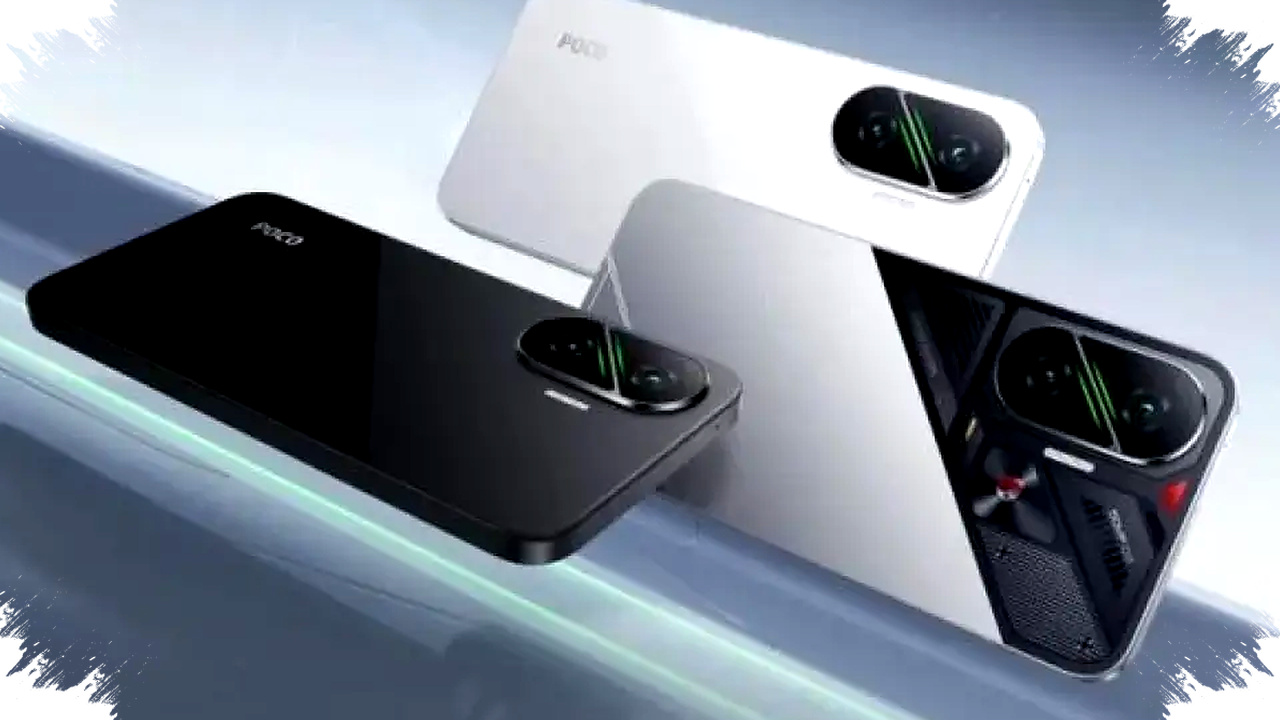
Poco X7 Pro 5G
The Poco X7 Pro 5G uses a 50 MP Sony IMX882 sensor with OIS, which helps deliver bright, clear, and natural-looking photos. A major advantage is 4K 60 fps video recording, making it attractive for content creators, with prices starting from around $323. - Poco F7
The Poco F7 also features a 50 MP OIS main camera and adds more natural portrait results with flexible focal-length options. Its low-light performance remains sharp enough for daily use, with prices starting from around $374.
Quick Comparison Table
| Model | Main Camera | Stabilization | Video Strength | Starting Price |
|---|---|---|---|---|
| Samsung Galaxy A17 5G | 50 MP | OIS | Stable daily video | $235 |
| Redmi Note 14 Pro 5G | 200 MP | OIS + gyro EIS | 4K 30 fps | $235 |
| Samsung Galaxy A26 5G | 50 MP | OIS | 4K 30 fps | $241 |
| Samsung Galaxy A36 5G | 50 MP | OIS | Stable in multiple modes | $298 |
| Redmi Note 15 Pro 5G | 200 MP | OIS | Strong detail, night mode | $304 |
| Poco X7 Pro 5G | 50 MP | OIS | 4K 60 fps | $323 |
| Poco F7 | 50 MP | OIS | Natural portrait results | $374 |
Xiaomi and Samsung Offer Different Strengths
Samsung tends to emphasize consistent color, reliable processing, and balanced camera results for everyday users. Xiaomi often pushes higher resolution sensors and stronger video specifications at competitive prices.
That difference matters because not every buyer needs the same type of camera output. Some users prefer natural photos with simple tuning, while others want more detail for cropping, editing, or content creation.
What Users Should Prioritize Before Buying
A high megapixel count does not always guarantee better results. Sensor quality, OIS, autofocus, software optimization, and video support often matter more in real use than numbers on a spec sheet.
For daily photography, the Samsung Galaxy A17 5G and Galaxy A26 5G offer a practical mix of stability and ease of use. For users who want stronger creative flexibility, the Redmi Note 14 Pro 5G, Redmi Note 15 Pro 5G, and Poco X7 Pro 5G deliver more aggressive camera hardware.
Best Choices Based on Usage
- For everyday portraits and social media photos, Samsung Galaxy A17 5G is a safe pick.
- For high-detail shooting and sharper crops, Redmi Note 14 Pro 5G and Redmi Note 15 Pro 5G stand out.
- For smoother content video at higher frame rates, Poco X7 Pro 5G is the most appealing.
- For balanced performance with natural results, Samsung Galaxy A26 5G and Galaxy A36 5G fit well.
- For users who want a more polished portrait look, Poco F7 offers a stronger premium feel.
OIS Is Now a Core Feature in Mid-Range Phones
The growing number of HP 5G with OIS shows how camera stabilization has become a standard expectation rather than a luxury feature. Xiaomi and Samsung both bring useful choices for users who want steadier photos, cleaner low-light shots, and more reliable video capture.
With options ranging from affordable daily drivers to stronger creator-focused models, buyers can now choose a 5G phone that fits their shooting style without sacrificing stability, detail, or practical camera performance.