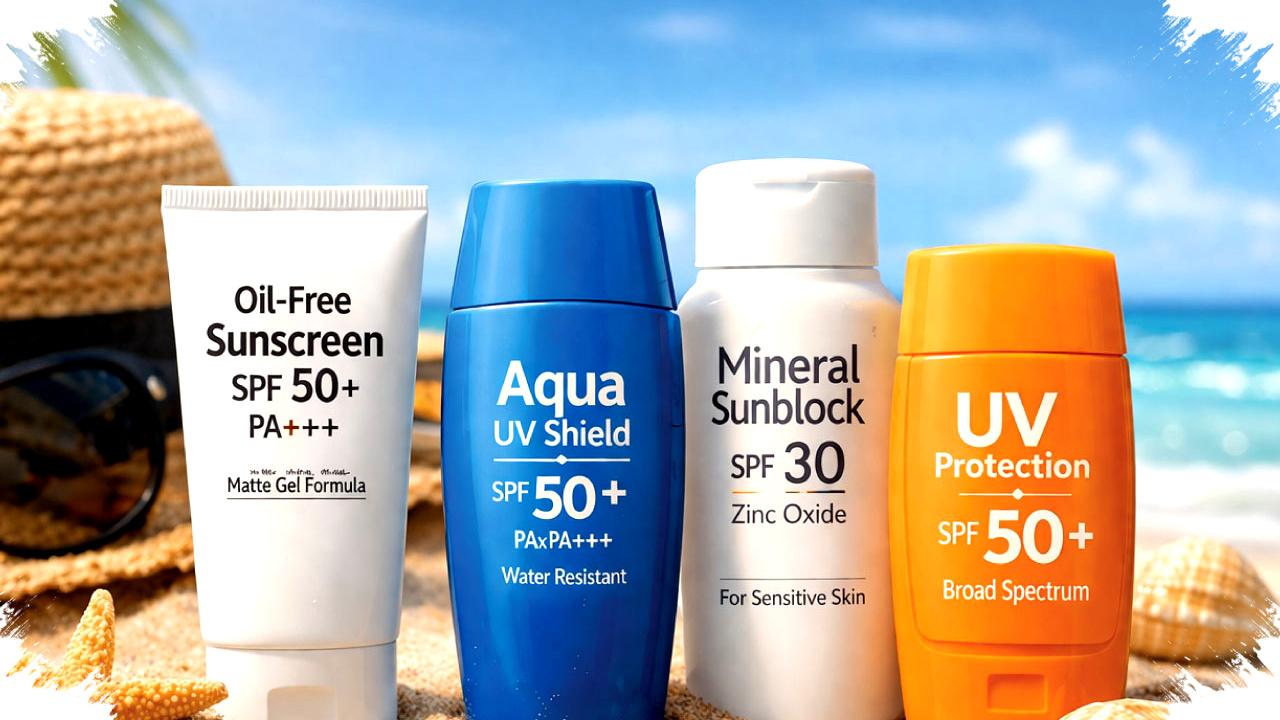
Choosing the best sunblock in 2026 starts with one simple rule: the product must protect the skin without causing new problems. A good formula should offer at least SPF 30, broad-spectrum coverage against UVA and UVB, and a texture that matches the user’s skin type.
Sun protection matters every day, not only when the weather feels hot. UV exposure can still reach the skin on cloudy days and indoors near windows, so consistent use remains one of the most practical steps for preventing premature aging, dark spots, and long-term skin damage.
Why daily sunblock use still matters

Sunblock or sunscreen works as a barrier against ultraviolet radiation, which is linked to tanning, inflammation, pigmentation, and visible signs of aging. Dermatology guidance from the American Academy of Dermatology continues to emphasize broad-spectrum sunscreen use as part of basic skin protection, especially for people who spend time outdoors or near reflective surfaces such as water and glass.
A regular sunscreen habit can help reduce the appearance of uneven tone and support healthier skin texture over time. It also helps lower the chance of cumulative sun damage, which builds slowly and often goes unnoticed until changes appear on the face, neck, hands, and arms.
What to look for before buying a sunblock
The right sunblock depends on skin type, daily routine, and how much time is spent outside. The most useful products usually combine protection, comfort, and compatibility with other skincare steps.
-
SPF level
For routine indoor and short outdoor activity, SPF 30 is usually sufficient. For longer outdoor exposure, SPF 50 or higher is more suitable. -
Broad-spectrum protection
This label means the formula helps protect against both UVA and UVB rays. UVA is strongly associated with premature aging, while UVB is the main cause of sunburn. -
Texture and finish
Lightweight gel or fluid formulas often suit oily skin, while cream-based options usually feel better on dry skin. A comfortable texture improves daily compliance. - Skin compatibility
Sensitive skin often does better with mineral filters such as zinc oxide and titanium dioxide. Oily or acne-prone skin usually benefits from non-comedogenic and oil-free formulas.
Simple comparison of common sunscreen types
| Type | Main benefit | Main drawback |
|---|---|---|
| Chemical sunscreen | Lightweight and fast-absorbing | May sting sensitive skin |
| Physical sunscreen | Often gentler for reactive skin | Can leave a white cast |
Recommended sunblock profiles for different skin needs
The best choice is not always the most popular one. A product can be excellent for one skin type and uncomfortable for another.
1. For oily skin
Oil-free formulas with a gel or watery texture usually work best for shiny or acne-prone skin. A non-comedogenic label also matters because it lowers the risk of clogged pores.
These formulas help reduce the greasy finish that many users dislike during daytime use. They also layer better under makeup and are less likely to feel heavy in humid weather.
2. For dry skin
Dry skin often needs more than sun protection alone. Sunscreens with hyaluronic acid, glycerin, or ceramides can add moisture while helping the skin stay comfortable throughout the day.
Cream-based sunblock usually performs well in this category because it supports the skin barrier. That extra hydration can also make the product easier to wear daily without tightness or flaking.
3. For sensitive skin
Sensitive skin usually responds better to mineral or physical sunscreen. Zinc oxide and titanium dioxide are often preferred because they sit on the surface and reflect UV rays rather than relying on a chemical absorption process.
Fragrance-free and alcohol-free formulas are also safer choices for people who experience redness, stinging, or irritation. Patch testing remains a practical step before regular use.
4. For outdoor activities
For sports, travel, or long sun exposure, higher protection becomes more important. SPF 50+ and water-resistant formulas are usually the strongest everyday option for active users.
Reapplication matters even more in this category. Sweat, water, and friction can reduce the effectiveness of any product, even when the label says it is long-lasting.
How to use sunblock correctly
Many sunscreen problems come from incorrect use rather than a bad product choice. A well-formulated product still needs the right amount and timing to work properly.
- Apply it 15 minutes before going outside.
- Use enough product for full coverage, often described as two finger lengths for the face.
- Reapply every two to three hours when exposed to daylight.
- Cover commonly missed areas such as the ears, neck, hairline, and the backs of the hands.
- Use it even on cloudy days and indoors near windows.
The American Cancer Society notes that UV rays can damage the skin even when sun exposure does not feel intense. That makes consistent application more important than relying on weather conditions alone.
Common mistakes that reduce protection
Many people assume one morning application is enough for the whole day. In reality, protection drops as the product wears off, especially after sweating, wiping the face, or spending long hours outside.
Skipping sunscreen on indoor days is another frequent error. UVA rays can pass through glass, which means office workers, drivers, and people sitting near bright windows still need protection.
Using too little product also weakens performance. A thin layer may feel lighter, but it does not deliver the stated level of protection.
Practical guide for choosing the safest option
The following checklist can help narrow down the best sunblock quickly.
| Need | Best formula choice |
|---|---|
| Oily skin | Oil-free gel sunscreen |
| Dry skin | Cream sunscreen with moisturizers |
| Sensitive skin | Mineral sunscreen without fragrance |
| Outdoor use | SPF 50+ water-resistant sunscreen |
| Makeup base | Lightweight fast-absorbing lotion |
Reading the ingredient list also helps. People with a history of irritation should avoid formulas with strong fragrance, high alcohol content, or overly complex blends that may trigger reactions.
What makes a sunblock worth recommending
A sunblock deserves attention when it performs three jobs at once: protects against UVA and UVB, feels comfortable enough for daily use, and suits the user’s skin type. The best product is not always the most expensive one, but the one that can be worn consistently without irritation, heaviness, or breakouts.
That is why a smart sunscreen routine in everyday life usually starts with SPF 30 or higher, broad-spectrum coverage, and a formula matched to skin condition. With those basics in place, daily protection becomes easier to maintain and far more effective over time.