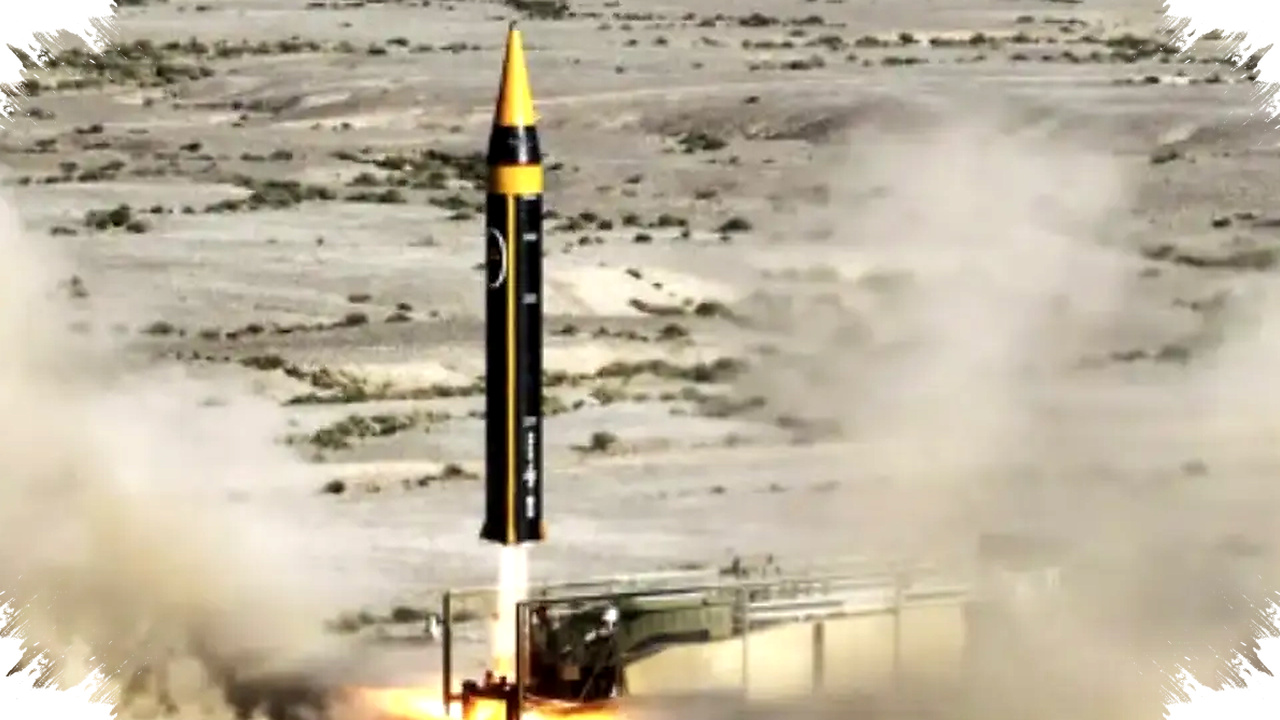
Iran’s military has launched a wide drone attack aimed at strategic Israeli and U.S. positions in the Middle East, according to reports cited by Lombok Post. The strikes reportedly targeted a petrochemical industrial area near Dimona in southern Israel, along with U.S. military facilities in the United Arab Emirates and Kuwait.
Tehran framed the operation as retaliation for earlier attacks that damaged industrial infrastructure and public facilities inside Iran. The latest escalation adds fresh pressure to a region already marked by repeated missile and drone exchanges, rising military alert levels, and growing concern over the security of energy and defense assets.
What Iran said it targeted
Iranian forces said the operation hit “power generation units and industrial fuel storage facilities” linked to the petrochemical sector near Dimona. That region is home to one of the largest chemical complexes in the Negev Desert, an area widely seen as important to Israel’s economic stability and national security.
The choice of target is significant because petrochemical facilities can support multiple sectors at once. They supply materials used in industry, logistics, and, in some cases, military production, which makes them highly sensitive during wartime and crisis escalation.
Why Dimona matters
Dimona has long held strategic value because of its location in southern Israel and its role in the country’s industrial network. A disruption there can affect not only production lines but also broader supply chains tied to fuel, chemicals, and defense-related manufacturing.
For that reason, attacks on petrochemical sites are often read as a message beyond immediate battlefield damage. They can signal an effort to pressure economic systems, create uncertainty, and force governments to divert resources toward protection and recovery.
U.S. sites in the Gulf also came under fire
Beyond Israel, the drone campaign reportedly reached U.S. military assets in the Gulf region. One of the locations named in the report was the Naval maintenance and repair center at Jebel Ali Port in the United Arab Emirates.
Jebel Ali is one of the largest docking and support facilities for U.S. naval vessels in the region, which gives it major operational importance. Any threat to such a site can complicate logistics, maintenance schedules, and the wider U.S. military posture across the Gulf.
Iranian strikes were also directed at Ahmad Al-Jaber Air Base in Kuwait. The base hosts U.S. personnel and the 332nd Air Expeditionary Wing, along with radar systems and fighter aircraft hangars.
Key facilities reported as targeted
- Petrochemical power and fuel storage units near Dimona, southern Israel.
- U.S. Navy repair and maintenance center at Jebel Ali Port, UAE.
- Ahmad Al-Jaber Air Base in Kuwait, a site tied to U.S. forces and air operations.
Each of these locations carries a different strategic value, but all are tied to military readiness and regional logistics. That is why such attacks tend to produce concern well beyond the immediate area of impact.
The wider escalation behind the strikes
The current tension reportedly began after a military campaign on 28 February that killed Ayatollah Seyyed Ali Khamenei, who was identified in the source as the Islamic Revolution leader, along with several senior Iranian military commanders. Since then, Iran has faced repeated air attacks that damaged infrastructure and caused many deaths.
In response, Iran’s armed forces have carried out repeated retaliatory operations against American and Israeli positions at regional bases using waves of missiles and drones. The exchange has deepened fears that the conflict could spread further across the Middle East.
How the conflict is changing
The pattern of attacks shows a clear shift from isolated incidents to a broader confrontation involving strategic infrastructure. Instead of focusing only on frontline military positions, both sides are now linked to targets that affect energy, transport, maintenance, and industrial capacity.
That change matters because damage to such sites can have a lasting effect. A destroyed hangar, fuel depot, or power unit can disrupt operations for weeks or longer, even if casualties remain limited.
Why drone warfare is central here
Drones have become a preferred tool in modern regional conflict because they can reach distant targets with lower risk and greater flexibility than manned aircraft. They also allow the attacker to send a warning or message while keeping escalation below the threshold of a full-scale conventional air campaign.
In this case, the reported use of drones against petrochemical and military facilities suggests a strategy focused on precision, symbolism, and pressure. It also reflects how regional powers now use unmanned systems to strike both military and economic assets.
The risks for Israel, the U.S., and Gulf states
The reported attacks place Israel, the United States, the UAE, and Kuwait in a more complex security position. Gulf states that host U.S. forces must now weigh the risks of being drawn deeper into a conflict that does not directly originate on their territory.
For Washington, the strikes highlight the exposure of overseas facilities that support naval and air operations. For Israel, the targeting of industrial infrastructure near Dimona raises concern about the vulnerability of facilities linked to energy and defense supply chains.
What to watch next
- Whether Iran continues drone and missile operations against regional military sites.
- Whether Israel responds with strikes on Iranian infrastructure or commanders.
- Whether the U.S. strengthens defenses around bases in the Gulf.
- Whether Gulf states increase alert levels around ports, air bases, and industrial zones.
With tensions still high across West Asia, each new strike risks triggering another round of retaliation. The reported attacks on Dimona, Jebel Ali, and Ahmad Al-Jaber show that the conflict is no longer limited to direct military fronts, but now reaches into the industrial and logistical arteries that support regional power.
-

-

-

-