The $200,000 vehicle segment remains one of the busiest in Indonesia because it sits at the center of practicality, comfort, and price control. Buyers in this range usually look for a car that can handle daily commuting, family trips, and fuel efficiency without moving into a much higher monthly budget.
The market is now more competitive because manufacturers keep adding fresh styling, better safety features, and more efficient engines. Based on the reference data and current product positioning in the Indonesian market, several models stand out for different needs, from family MPVs to compact SUVs and city cars.
Why this price band attracts so much attention


Cars in this range often become the first serious upgrade from a motorcycle or an older vehicle. They also fit the needs of small families, young professionals, and buyers who want a practical car with manageable running costs.
This segment is also where value matters most, because differences in features and comfort can be significant even when the price gap is relatively small. That is why buyers need to compare not only the sticker price, but also cabin space, fuel consumption, after-sales support, and resale value.
1. Toyota Avanza: still a safe choice for families
Toyota Avanza remains one of the strongest references in the affordable family-car category. The base 1.3 E variant is listed at about $14,600 to $15,500, converting from the reference price range of Rp242.9 million to Rp257.6 million.
Its biggest strength is practicality, because the cabin can seat seven people and the service network is broad. The model also has a reputation for durable ownership, relatively low maintenance costs, and stable resale value.
For buyers who need a car for school runs, urban errands, or business use, Avanza stays relevant because it offers predictable ownership. The design may not be the most exciting in the segment, but the package remains balanced for buyers who care more about function than flair.
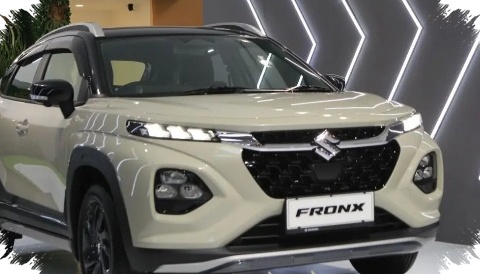
2. Suzuki Fronx: a fresh face in the compact SUV race
Suzuki Fronx enters the market with a more expressive SUV-coupe style that targets buyers who want modern styling. The reported starting price of around Rp260 million is roughly $16,600, putting it slightly above the most affordable $200,000 bracket in local terms, but still close enough to matter in this shopping range.
The model uses a 1.5-liter engine option that is positioned as efficient and dependable for daily use. That makes it attractive for buyers who want something newer-looking than a conventional MPV but still practical enough for regular city driving.
Its appeal also comes from image, because many buyers now want compact SUVs that look more premium than traditional hatchbacks. In a market where design influences purchasing decisions more strongly than before, Fronx offers a clear visual identity.
3. Toyota Raize: compact, efficient, and easy to live with
Toyota Raize in the 1.2 G variant stays one of the most searched names for buyers who want a small SUV with urban-friendly proportions. The price range from Rp216 million to Rp240 million converts to about $13,800 to $15,300, depending on the transmission.
Raize is popular because it feels easy to use in crowded streets while still offering a higher driving position. Ground clearance is another advantage, especially for drivers who face uneven roads, flood-prone areas, or steep parking ramps.
The model also offers connected features through T-Intouch on certain variants, which adds value for buyers who want more modern digital convenience. Its fuel efficiency remains one of the main reasons it continues to attract first-time SUV buyers and younger households.
4. Wuling Alvez: advanced features at an aggressive price
Wuling Alvez stands out because it brings a long list of features at a price that remains competitive against Japanese rivals. The reference notes that lower and mid trims start at about Rp200 million, or around $12,800, placing it directly in the heart of the target segment.
Its exterior design feels contemporary, while the cabin gives a more premium impression than many entry-level competitors. That combination helps it appeal to buyers who want a vehicle that looks richer in equipment without stretching their budget too far.
The brand strategy is clear: provide technology-heavy value. For consumers who prioritize a stylish cabin, digital features, and a modern design language, Alvez deserves serious consideration.
5. Honda Brio RS: small size, strong character
Honda Brio RS may be the smallest model on this list, but it still has a strong position in the city-car market. The price range of about Rp248 million to Rp258 million converts to roughly $15,900 to $16,500.
Its main advantage is responsive engine performance, which makes it feel lively in stop-and-go traffic. Parking is also easier because of its compact size, and the sporty styling keeps it popular among younger buyers and urban drivers.
Brio RS is less about family capacity and more about efficiency in tight city environments. For buyers who want a compact car with a fun driving feel and a practical footprint, it remains one of the most recognizable options.
How these models compare at a glance
| Model | Approx. Price in USD | Main Strength | Best For |
|---|---|---|---|
| Toyota Avanza 1.3 E | $14,600–$15,500 | Large cabin, resale value, service network | Families and operational use |
| Suzuki Fronx | About $16,600 | Modern SUV-coupe styling, efficient 1.5L engine | Buyers who want a fresh design |
| Toyota Raize 1.2 G | $13,800–$15,300 | Compact size, high ground clearance, low fuel use | City driving and young families |
| Wuling Alvez CE | About $12,800 and up | Feature-rich cabin, premium feel | Value seekers who want more tech |
| Honda Brio RS | About $15,900–$16,500 | Responsive engine, easy parking, sporty look | Urban commuting and first-car buyers |
What buyers should prioritize before choosing
Price alone should not decide the purchase, because each model serves a different purpose. A seven-seat MPV like Avanza fits families better, while Raize and Brio RS suit drivers who spend more time in cities.
Feature content also matters, especially for buyers who want connected functions, better infotainment, or a more premium cabin feel. In this group, Wuling Alvez and Toyota Raize offer more advanced features relative to their positioning, while Avanza wins on everyday practicality and service convenience.
Fuel efficiency and resale value still remain major factors in Indonesia’s car market. Buyers who plan to keep the car for years often choose models with proven reliability and broad service support, while those who want newer styling may be willing to accept a different ownership profile.
A market that keeps getting more selective
The segment around $13,000 to $16,500 now offers more choice than before, and that gives buyers stronger bargaining power. Instead of choosing only by brand, consumers can now match the car to real usage needs, whether that means family travel, city commuting, or a feature-rich daily driver.
That is why the best recommendation depends on priorities. Avanza remains the safest family option, Raize offers compact SUV practicality, Alvez gives generous features for the money, Brio RS brings urban agility, and Fronx adds a fresher design direction for buyers who want something more distinctive.