The East Nusa Tenggara provincial government has taken a notable step in resolving land and customary forest disputes by creating a special task force for tenure conflict handling. The unit is described as the first and only one of its kind in Indonesia, and it has already completed its first case in Amarasi, Kupang Regency.
The task force was formed under Governor’s Decree No. 279/KEP/HK/2025 and is designed to coordinate a multi-agency response to conflicts that often involve land rights, family ties, and forest access. Officials say the model aims to prevent disputes from escalating into new social tensions while giving all sides a structured and safer path to resolution.
A first-of-its-kind mechanism in Indonesia


The task force places the Provincial Secretary of East Nusa Tenggara as chair, with the head of the provincial Environment and Forestry Office serving as general coordinator. This arrangement gives the team both administrative authority and technical oversight in handling cases that sit at the intersection of land, forests, and community rights.
Its membership brings together state institutions and civil society groups in a single framework. Among the participants are the military, police, prosecutors, the National Land Agency, and non-governmental organizations such as WALHI and PIKUL, reflecting the broad coordination needed in agrarian disputes.
Why the province created the task force
Land and tenure conflicts in eastern Indonesia often last for years because they involve overlapping claims, local customs, and sensitive family relationships. East Nusa Tenggara officials say a specialized structure was needed because ordinary channels often leave disputes unresolved or create new friction during the process.
Sulastri H. I. Rasyid, the task force’s general coordinator, said the province became the first in Indonesia to establish a dedicated tenure-conflict unit. “NTT is the first province in Indonesia to have a special task force for tenure conflict handling. This is our way to ensure that conflict resolution does not create new problems in society,” she said.
Her remarks point to the central idea behind the task force: settlement must be careful, coordinated, and legally grounded. In practice, that means avoiding rushed mediation and ensuring that every decision can stand up to scrutiny from both communities and government institutions.
How the Amarasi case was resolved
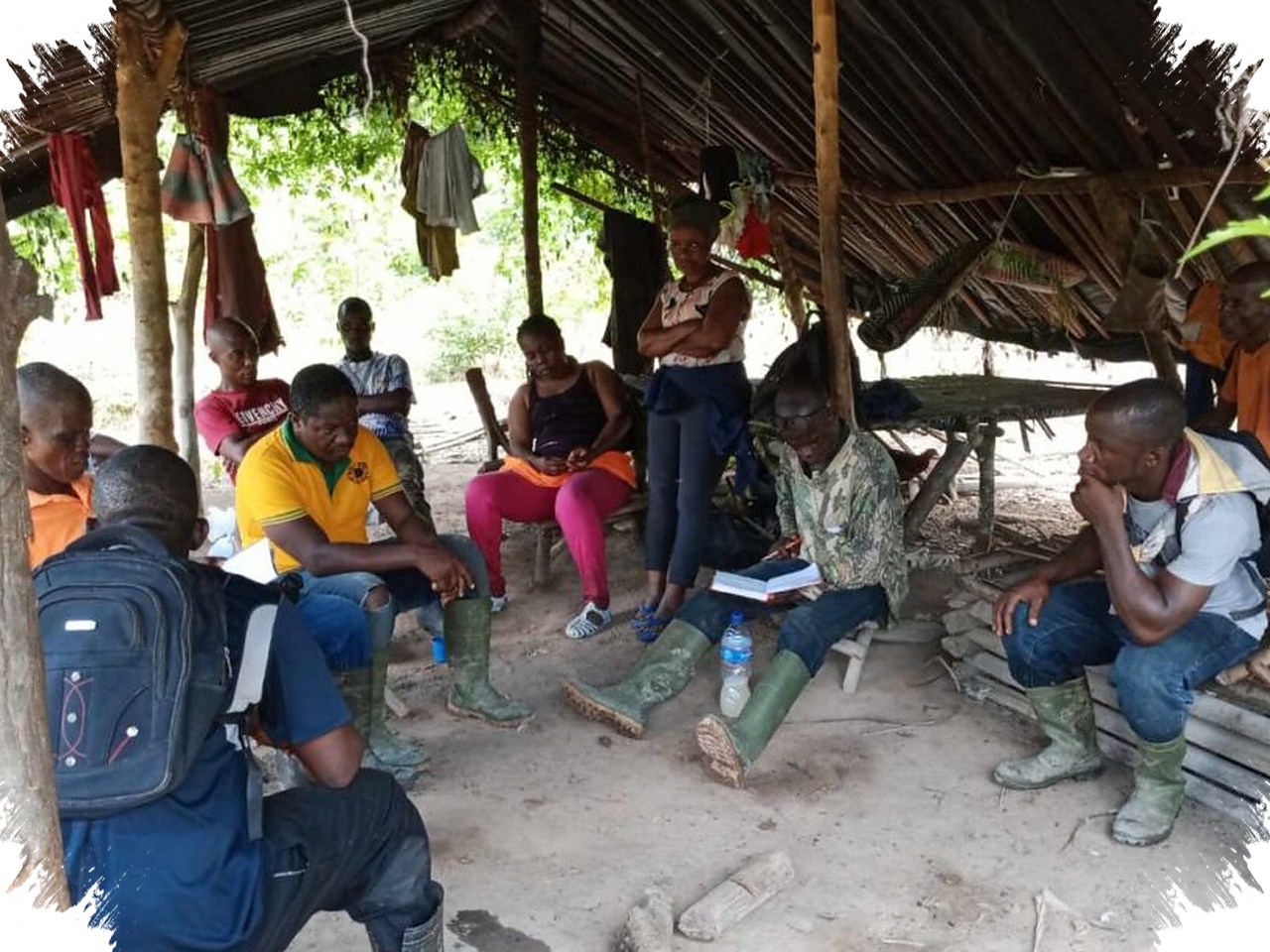
The first case handled by the task force took place in Nonbes Village, Amarasi District, Kupang Regency. The dispute involved two branches of the Boimau family, whose lingering land conflict had previously caused tension in the area.
Rather than directly bringing the parties into a confrontational meeting, the government used a more cautious approach. Officials involved representatives from the Ministry of Forestry and technical staff experienced in tenure-conflict handling, working alongside the provincial task force.
This method helped reduce pressure on the parties and kept the process calm. Authorities said the arrangement allowed the case to move forward without unrest and without triggering new disputes during mediation.
Key elements in the conflict-handling model
The East Nusa Tenggara approach combines several layers of coordination that are important in complex land disputes. The following elements were involved in the Amarasi resolution process:
- Local government officials, including the village head and district head
- Security institutions such as the military and police
- The prosecutor’s office and judicial elements
- Central government technical representatives
- The National Land Agency
- Civil society organizations that monitor environmental and rights-based issues
This broad participation matters because tenure disputes rarely involve only one legal issue. They often include mapping errors, inheritance claims, customary territory questions, and competing interpretations of land ownership.
Why the model matters for other regions
The Amarasi case offers an early example of how a structured, multi-agency approach can de-escalate sensitive disputes. It also shows that customary and agrarian conflicts may require more than a single institution to reach a credible settlement.
Such a model can be relevant in other provinces where land pressure is rising and community trust in dispute resolution remains fragile. By coordinating technical, legal, and social actors in one system, the province increases the chance that a settlement will be accepted by those affected.
The involvement of NGOs also adds an important layer of transparency. Groups such as WALHI and PIKUL can help ensure that social and environmental concerns are not overlooked when authorities work toward a final agreement.
What happened after the settlement
Officials said the process in Amarasi was carried out smoothly and was accepted by the parties involved. The result was presented as evidence that the task force can work not only on paper but also in real disputes where emotions and local ties run deep.
The province now has a live example of how a tenure-conflict unit can operate under a formal legal mandate and with support from both central and local institutions. That outcome may shape how East Nusa Tenggara handles other agrarian and customary forest cases in the future, especially in areas where land, identity, and community relations are closely connected.