


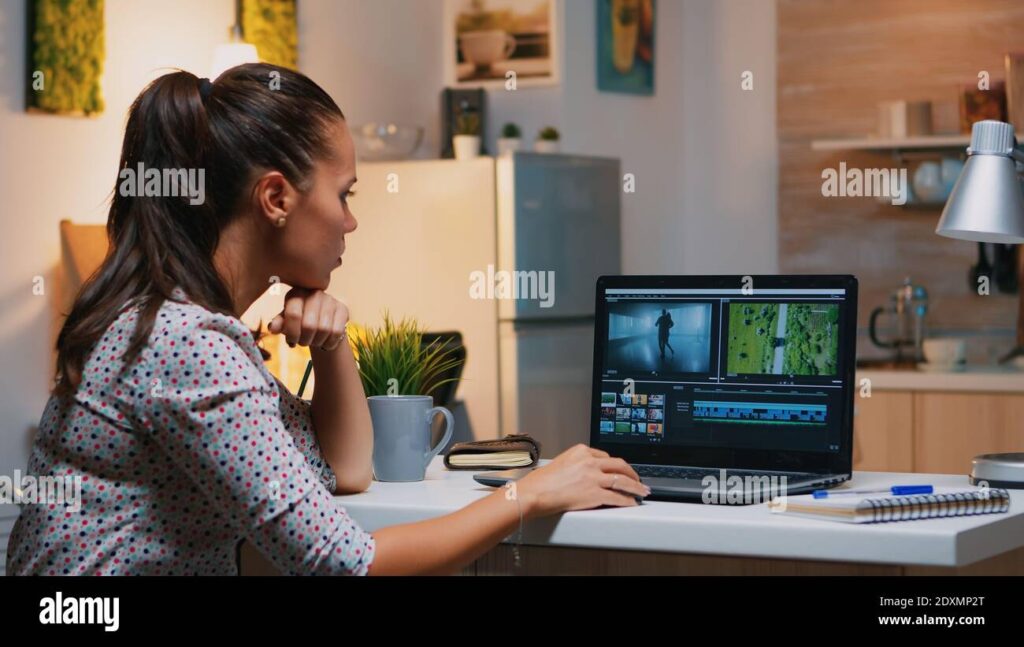
Short-form video has changed the way audiences consume content, and it has also reshaped the market for editors who can turn long recordings into clips that travel fast on social platforms. That shift has pushed the video clipper role into sharper demand, especially among creators who need material tailored for TikTok, Instagram Reels, and YouTube Shorts.
The appeal is straightforward. The job can be done from home, yet the demand does not come in small bursts. Creators, podcasters, and streamers increasingly need someone who can extract the strongest moments from long videos and package them for mobile viewers.
Why the role is growing
Short video now dominates much of social media consumption. Because of that, short clips are often prioritized over longer videos when the goal is to drive engagement.
Observers of social platforms note that digital algorithms tend to reward content that holds attention in the first few seconds. That makes the ability to spot the right moment and edit with a fast rhythm central to the video clipper’s work.
What once looked like a side task has become a regular need in creator ecosystems. Cutting the most interesting sections from podcasts and livestreams is now treated as part of the content pipeline, not an optional extra.
What a video clipper actually does
The core assignment is to choose the most compelling parts of a long video. The source material for those clips can come from podcasts, interviews, gaming content, and live streams.
After the key segment is selected, the clip is usually refined for mobile audiences. Common additions include subtitles, dynamic zoom, light visual effects, and supporting music.
The work is not just about trimming footage. The final performance depends heavily on how well the clipper reads trends and recognizes moments that feel emotional, surprising, funny, or informative.
Skills that matter beyond editing
Technical editing ability alone is not enough to stand out. A video clipper also needs to understand which dialogue patterns are more likely to hold attention and encourage sharing.
Title writing matters as well, because a strong title can affect how a short clip performs. Visual timing is another important factor, since well-timed transitions help keep viewers focused from the opening seconds.
Speed is becoming another advantage. Quick subtitle creation and the ability to produce simple thumbnails are increasingly valuable because they strengthen a clipper’s position in a crowded market.
Low startup needs, flexible work
Getting started does not always require expensive equipment. A standard laptop or computer for light editing is enough to cut footage and add automatic subtitles.
The software options are broad too. Mobile video editors and desktop programs that support vertical video formats are commonly used for TikTok and Reels production.
That flexibility is one reason the job attracts freelancers. Many people search for ways to become a video clipper from home because the work does not require a large studio or complex production gear.
A market that keeps expanding
Demand for video clippers has risen alongside the creator economy. Many podcasters and streamers now hire dedicated editors to expand their reach on social media.
Payment models vary. Some creators pay per video, others use monthly arrangements, and some rely on revenue-sharing tied to content performance.
That range of payment structures has made the role attractive to digital job seekers. At the same time, competition is growing as more people enter short-form content editing.
The main separator is no longer just editing software or hardware. Clippers who can read trends and produce clips that fit platform behavior are the ones most likely to keep winning clients.