


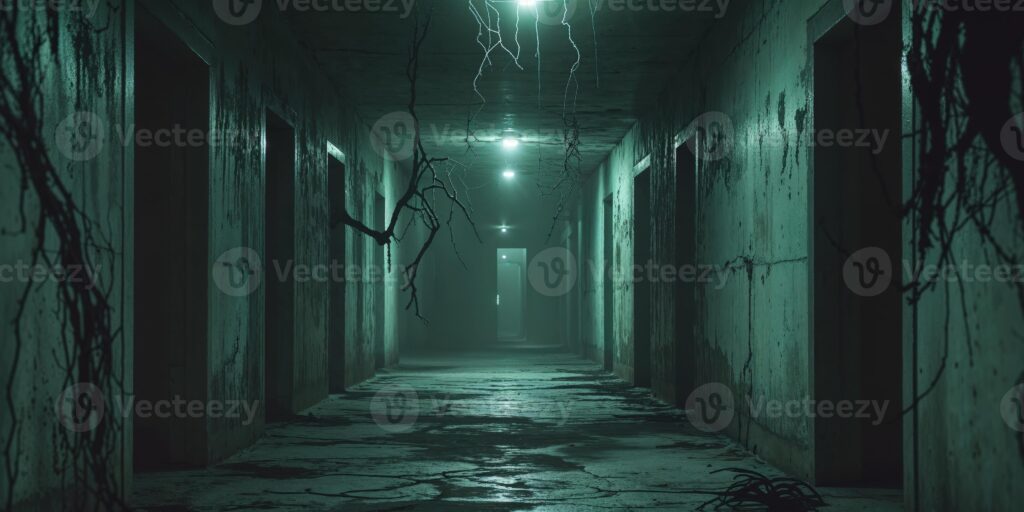
A narrow hallway can do more than frame a portrait. With the right Gemini AI prompt, it can turn an ordinary photo into something that looks staged for a film, while still keeping the subject’s real facial details intact.
That appeal has helped hallway edits become one of the more noticeable visual trends in AI-based photo editing. The setting brings together tight space, long perspective, shadows, and reflected light, which makes even a simple image feel more mysterious, elegant, and emotionally charged.
The style has also gained traction because many creators are moving away from photos that look too bright. A darker and more dramatic tone can make facial expressions feel stronger and suggest a story inside a single frame.
Gemini AI is often used for this kind of edit because it is considered capable of reading visual details more precisely and naturally. Skin texture, light direction, and background depth can all be maintained more carefully when the prompt is specific.
Why hallways work so well
Hallways have long been a familiar setting in fashion shoots, film posters, and cinematic social media content. Their narrow walls and extended point of view create a composition that feels professional without needing a complex scene.
That same setting also carries a quiet, elegant mood. It often blends well with modern film noir styling and urban aesthetics, which is why it fits personal branding images that still need the subject’s face to remain central.
Eye direction matters strongly in this style. A vacant stare can make the result feel stiff, while a focused and natural gaze helps the image look more human and believable.
Six Gemini AI prompts for the hallway look
One prompt places the subject in a modern hotel corridor with dim yellow lights and reflections on dark marble walls. The subject stands with one hand in a pocket, looks toward the camera, and is given soft shadowing with realistic depth of field.
Another prompt uses a luxury apartment hallway with warm minimalist wall lights. The subject is asked to walk slowly while holding the edge of a jacket, with soft light reflecting on a glossy floor and an editorial fashion mood.
A third prompt shifts the scene to a modern urban underground corridor with blue-white neon light. The subject sits casually near the wall and looks directly at the camera, while soft light is added to the side of the face for a professional finish.
The fourth prompt moves into a classic old-building hallway with late-afternoon sunlight entering from a side window. The subject leans against the wall with folded arms, natural skin tone, sharp eyes, and gentle shadows on the floor.
A fifth prompt turns the image into a vintage cinema corridor with dim red lighting and a subtle analog film grain effect. The subject walks slowly while looking downward, then lifts the face toward the camera, with sharp focus on the eyes.
The sixth prompt uses a futuristic office-building hallway with modern white lighting. The subject stands upright while holding a bag, with realistic reflections on glass and an elegant sense of depth.
Details that shape the final result
A strong prompt does more than name the location. It also defines the pose, eye direction, and type of light, which helps the image stay natural instead of looking like a generic AI render.
Small instructions can make a large difference as well. Original hair texture, face shape, and natural skin color should be stated clearly so the final edit keeps the realistic quality that makes this style appealing.
That balance between cinematic atmosphere and facial authenticity is the core of the hallway trend. When those elements work together, a simple photo can look more polished, more dramatic, and more emotionally expressive without losing the subject’s real identity.
Source: radartasik.id