


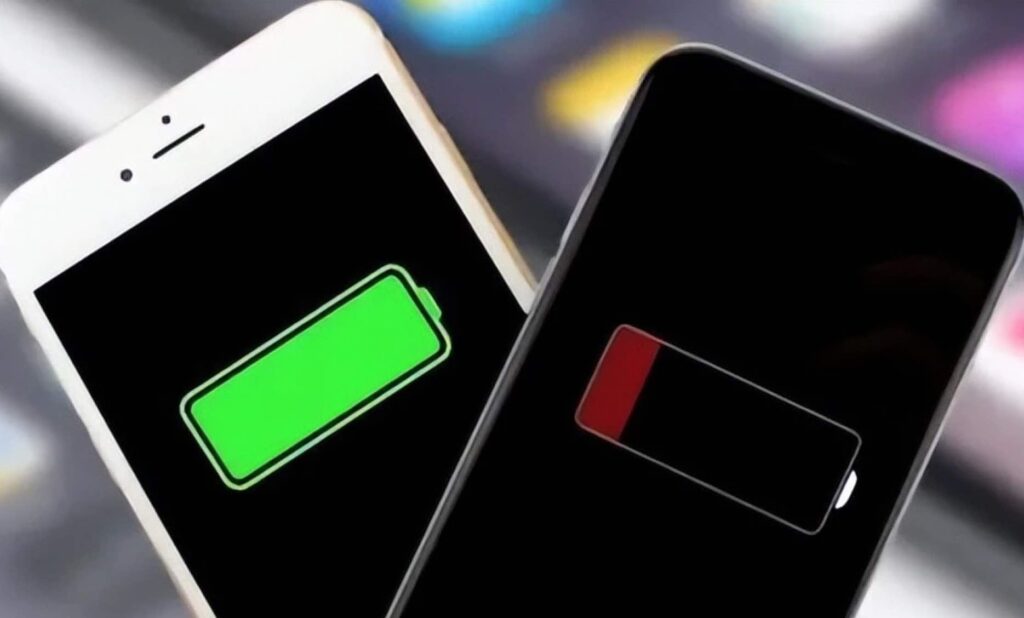
Lithium-ion batteries rarely fail because of a single dramatic mistake. More often, their lifespan is shortened by a pattern of small daily habits that quietly add stress, heat, and unnecessary wear.
That is why a battery can still seem to charge quickly and last through the day while its long-term health is already declining. The biggest damage usually comes from repeated extremes, not from one obvious incident.
Heat and cold do most of the hidden damage
Temperature is one of the clearest threats to battery health. Leaving a phone in direct sunlight, inside a parked car, or even charging it on a sofa or pillow can trap heat around the device and speed up degradation.
Cold weather can be just as problematic. Apple batteries can lose endurance more quickly in low temperatures, while Samsung phones may shut down unexpectedly if the device gets too cold.
Charging in extreme cold is even riskier. Repeated charging in freezing conditions can leave permanent lithium metal buildup on the anode, which reduces capacity for good.
Full charge is not always the safest choice
Keeping a battery at 100% for long periods adds stress to lithium cells. That is why smart charging features such as Charging Optimization on Pixel and Optimised Battery Charging on Apple try to slow or pause charging near full capacity.
Many systems aim to hold the battery closer to 80% instead of leaving it full for too long. In EVs, this is often treated as the safer level unless the full range is truly needed.
The same logic applies when a vehicle sits unused. Storing an EV at 100% or at a completely empty state can permanently reduce capacity, while a level around 50% is considered safer for long-term storage.
A nearly empty battery also wears out faster
Letting battery levels drop too low again and again can be harmful. At very low charge, material can collect at the edge of the battery and form a permanent lithium layer.
Some phones shut down before reaching a truly critical level, but frequent deep discharge still speeds up capacity loss. The same concern applies to EV batteries as well.
Fast charging has a cost
Fast charging is convenient, but repeated use can raise battery stress. High-powered DC charging can add power in less than an hour, yet the higher voltage places more pressure on the cells.
The difference in wear is significant in the figures cited. Regular charging was associated with about 1.5% battery degradation per year, while DC fast charging could push that to 3%.
That does not mean fast charging should be avoided entirely. It is simply better reserved for situations where speed matters more than long-term battery preservation.
Everyday charging habits matter more than many users think
Charging habits are not only about how often a device is plugged in. They also include whether smart charging is left enabled and whether the battery is repeatedly pushed into extreme states.
Power-saving mode can help reduce unnecessary drain by optimizing background activity. Lowering screen brightness, limiting background apps, using Dark Mode on OLED screens, and turning off unneeded animations also reduce battery strain.
These steps do not change the chemistry of the battery itself, but they can slow how quickly charge cycles are consumed. Since lithium-ion batteries have a limited number of cycles, reducing wasteful usage helps extend service life.
Cheap accessories can create avoidable risks
Not all charging cables and adapters are made to the same standard. Low-cost third-party accessories may look attractive, but their quality is often unclear.
In some cases, a poor cable or adapter may fail to deliver power properly and can even damage the battery. Official accessories remain the safest option, while trusted third-party products with strong reviews are the next best choice.
Physical protection still matters
Battery health is not only shaped by charging behavior. Strong impacts, drops, and punctures can damage the battery directly and cause serious problems.
For phones, a good protective case helps reduce that risk, especially for users who drop their device often. EV batteries benefit from the car’s structure, but that protection is not absolute in a major crash.
Driving and using EVs in the cold adds another layer of stress
Cold weather affects EVs beyond charging itself. The battery has to work harder to maintain operating temperature, which shortens range before the next charge is needed.
That means the vehicle goes through charging cycles more often in winter conditions. EVs can still be used in cold weather, but heavy use in sub-zero temperatures should be limited when possible to avoid faster battery wear.