


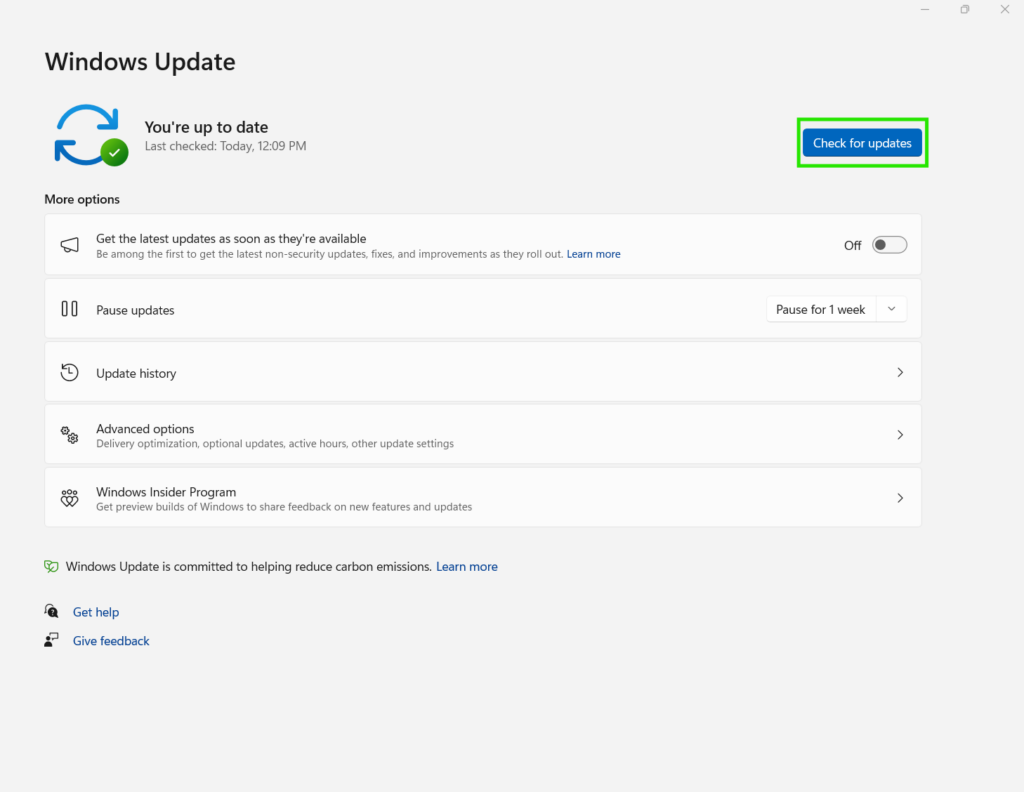
Microsoft is taking a noticeably softer stance on Windows Update, and the latest guidance suggests users are no longer expected to treat every update prompt as an immediate priority. Instead, the company is now openly pointing people toward the option of pausing updates when they are busy.
That shift matters because it reflects a broader change in how Microsoft presents the Windows experience. For years, Windows updates were associated with a push to install as soon as possible, but the newer approach gives users more room to decide when their PC should be interrupted.
A more flexible pause option
Microsoft recently posted on X advising Windows users to “pause Windows updates” when they are in the middle of something. The message itself sounds simple, but it points to a more flexible update system than the one many users are used to.
At the moment, the prompt still shows the familiar “pause for 1 week” option. However, Microsoft is preparing a new feature called “Pick a date,” which will appear on the Windows Update page and expand how long updates can be delayed.
With that feature, users will be able to postpone updates for up to 35 days at a time. That gives people far more control over when updates land on their devices, especially during periods when interruption is not practical.
Delay, extend, and delay again
The new setup does not have to stop after a single pause period. When the 35-day window is nearly over, users can extend the delay again and keep postponing updates repeatedly.
In practice, that means Windows Update could be deferred for an open-ended period, as long as the user keeps renewing the pause. The feature is clearly designed to give users more autonomy, even though it also changes the way update pressure has traditionally worked on Windows.
That freedom, however, comes with an obvious trade-off. Waiting too long to install updates can leave a PC exposed to security vulnerabilities that have not yet been patched.
Why this change stands out now
Microsoft’s new approach arrives as Windows updates have become more frequent. That includes updates meant to fix failed updates, which has made the update cycle feel even more crowded.
Windows Latest described Microsoft’s push to make updates feel less disruptive as an attempt to solve a problem the company helped create. That view matches a long-standing complaint from users who have often felt that Windows updates are too intrusive.
For many people, the ability to choose a better time is far more convenient than a system that pushes updates forward with limited flexibility. The new pause option appears to respond directly to that demand.
A balance between convenience and protection
Even with the added control, Microsoft still needs to preserve a reasonable security boundary. Users should have enough freedom to manage updates around work and daily tasks, but not so much that systems go unprotected for too long.
That is why the 35-day pause is important: it offers breathing room without removing the expectation that updates will eventually be installed. For a platform as large as Windows, that kind of balance may be the most practical compromise.
The change also shows that update policy is no longer just a technical issue. It is becoming a matter of everyday usability, and Microsoft’s willingness to offer a longer pause window suggests the company is paying closer attention to how Windows behaves in real use.