


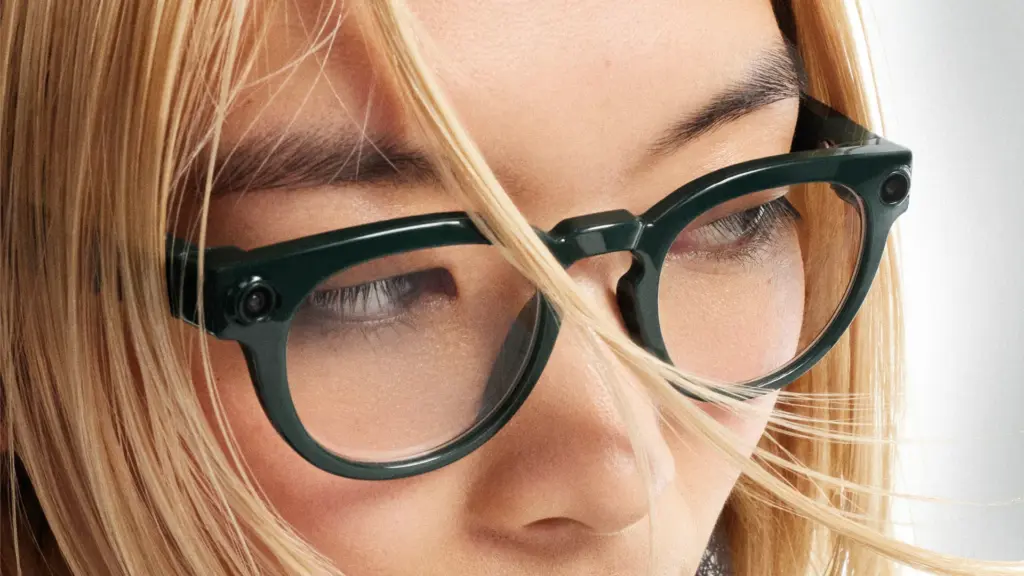
Google is pushing Android XR smart glasses toward a much more ordinary look, and that choice may be as important as the AI inside them. At Google I/O 2026, the company showed two early models from Gentle Monster and Warby Parker, signaling that the next wave of smart glasses is meant to blend into daily wear rather than stand out as obvious gadgets.
That design shift also reveals Google’s broader strategy. Instead of treating smart glasses as a niche experiment, the company appears to be making eyewear feel like a normal accessory, with Samsung handling the hardware engineering and Google supplying the AI layer through Gemini.
A more natural frame, a bigger consumer push
Google only showed two models during the presentation, but it said more designs will arrive when the products officially launch in the fall. Pricing and other commercial details were not announced, which leaves many of the usual buyer questions unanswered for now.
The choice of partners is telling. Gentle Monster has strong influence in South Korea, while Warby Parker is well known among creative consumers in the United States. Together, the two brands help position Android XR glasses as fashion-forward consumer products rather than technical showcases.
The AI features are the real selling point
Under the cleaner design, the feature set is aggressive. Users can make calls and send messages hands-free, with Gemini acting as the main AI layer behind the experience.
The glasses can also summarize missed calls and messages, which makes them feel closer to a personal assistant than a simple wearable display. Google also showed contextual help, including nearby location reviews when needed, along with turn-by-turn navigation and voice control for apps.
More than a display, but less than a distraction
The device also supports voice and text translation. On top of that, users can take photos and record video, which places the glasses somewhere between a communication tool, an AI assistant, and a wearable camera.
That combination makes the product more useful in everyday situations. At the same time, it also makes the category harder to ignore, because the glasses are designed to do more while looking less unusual.
Privacy concerns become harder to dismiss
The closer these smart glasses look to regular eyewear, the more serious the privacy concerns become. A camera hidden inside a normal-looking frame can draw less attention, and that is exactly what has made similar devices controversial before.
Ray-Ban Meta has already faced backlash in private settings and in public spaces. One example involved a woman objecting to an aesthetician wearing the glasses during a waxing appointment, while another controversy surfaced around calls for a ban at the Masters tournament.
During the brief Google I/O appearance, it was not shown whether the Android XR glasses include an LED indicator when the wearer takes a photo or records video. That detail matters, since visual alerts are often seen as a basic safeguard for people around the wearer.
Even so, an indicator light does not settle the debate. Accessories designed to block such lights are already widely available, which means questions about consent, surveillance, and etiquette are likely to follow the category regardless of the hardware design.
Google’s challenge goes beyond features
For Google, the issue is no longer just about bringing Gemini to a more personal device. The company also has to convince the public that these glasses can fit into social settings without creating new discomfort.
As more models arrive in the fall, attention is likely to split between design, usefulness, and Google’s response to privacy concerns. The success of Android XR may depend not only on how capable the glasses are, but also on how comfortable other people feel around them.
Source: www.androidpolice.com