


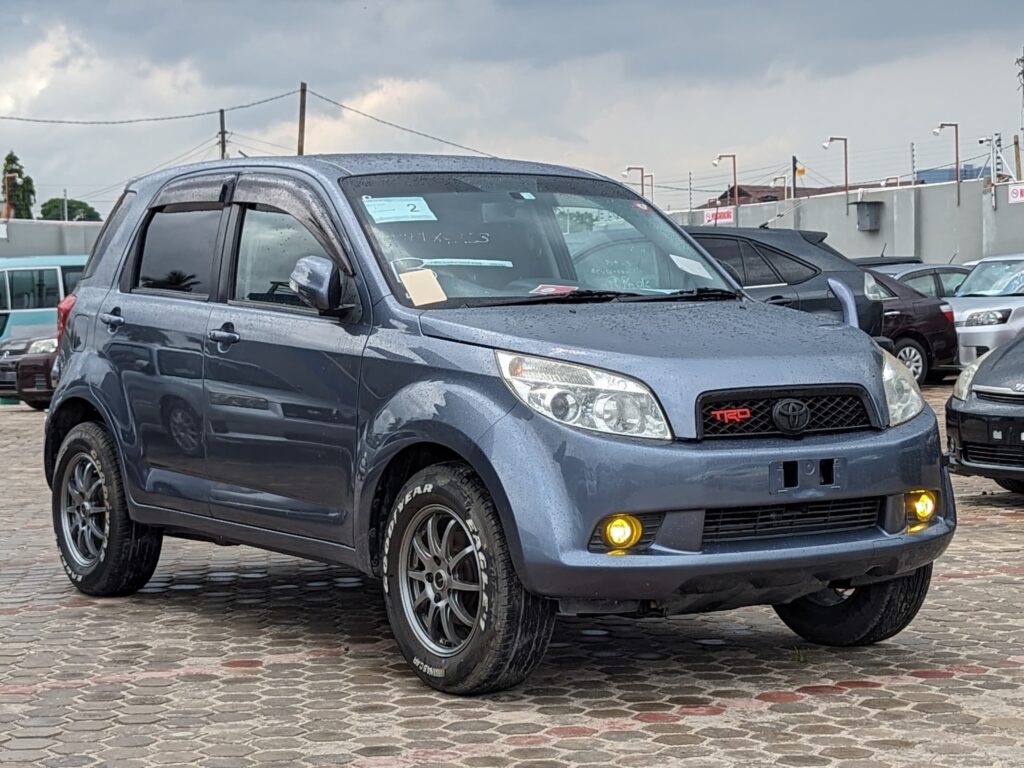
Toyota Rush continues to hold a strong place in the Indonesian market because it offers a combination that many family SUV buyers still value. Its high ground clearance and rear-wheel drive layout remain two of the clearest reasons the model keeps attracting attention.
That formula matters in daily use, especially for drivers who often face uneven roads or incline-heavy routes. In that kind of situation, Rush is seen as a practical choice rather than just a lifestyle vehicle.
A practical advantage that still stands out
The model’s ground clearance is considered high, which helps shape its appeal in markets where road conditions are not always ideal. Along with that, the rear-wheel drive setup is viewed as making the car feel light when climbing.
The point was highlighted by the @bahasaotomotif account, which also noted that this combination gives Rush a strong functional edge. For many family SUV buyers, durability and usability still matter as much as appearance.
Not only about performance
Rush also benefits from a design that is regarded as attractive enough for its class. Its exterior is described as good-looking, while the cabin is considered decent for the segment.
The GR Sport variant adds another layer to that appeal. It gives buyers a more sporty look without changing the model’s core identity as a family SUV.
Seven seats and a competitive price
Another reason Rush remains relevant is its seven-passenger layout. That three-row format fits the needs of many Indonesian families who want more space for daily mobility.
Pricing also helps maintain its position. The Toyota Rush is said to sit in the Rp280 jutaan to Rp300 jutaan range, a level still seen as competitive for a seven-seater SUV.
A familiar shape that has lasted
Rush has not gone through many generational changes, yet it has continued to sell well. That suggests its core formula still matches what the market wants.
According to @bahasaotomotif, the model has only had two generations so far. The first ran from 2008 to 2017, while the second arrived in 2017 and has kept its basic form since then.
The model received only a minor facelift in 2024. The GR Sport version itself was introduced in 2021 and replaced the earlier Toyota TRD Sportivo lineup for this model.
Variant choices still kept simple
By 2026, Rush is said to be offered in four variants: G manual, G automatic, GR Sport manual, and GR Sport automatic. That lineup keeps both transmission choices available for different buyer needs.
The G trim is the more functional option, while GR Sport is aimed at those who prefer a sportier appearance. With that mix of ground clearance, rear-wheel drive, seven-seat practicality, and a price that remains considered reasonable, Toyota Rush continues to present a package that is hard for rivals to match.