


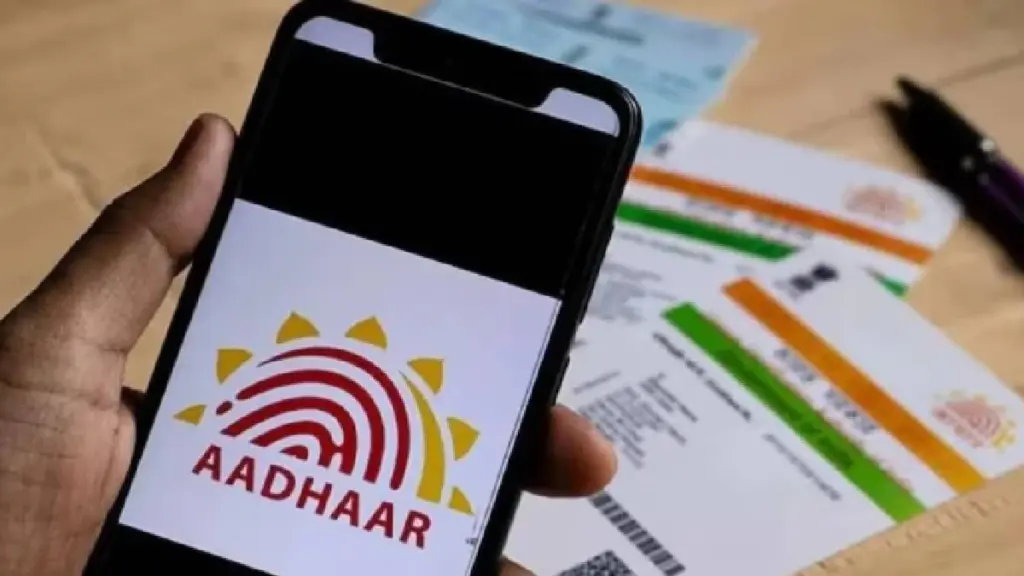
A major shift is underway in Aadhaar’s digital services, and the most immediate change for users is simple: the old mAadhaar app is being phased out. UIDAI is positioning the new Aadhaar app as the next step for faster access, tighter security, and more controlled identity sharing on smartphones.
The change is not limited to a visual redesign or a new interface. It is meant to change how Aadhaar data is verified, how much information is exposed during authentication, and how users manage biometric access from their devices.
A different model for sharing Aadhaar data
One of the clearest differences in the new app is the way identity data is shared during verification. Instead of routinely displaying full Aadhaar details, the updated system is designed to limit disclosure to only what is needed for a particular transaction.
That approach gives users more control over personal information. It also reduces the need to reveal complete identity details every time Aadhaar verification is requested.
UIDAI has also introduced secure QR-based sharing as a key feature. The tool is intended to speed up in-person verification at hotels, hospitals, government offices, and other service counters, while keeping the shared data limited to the necessary fields.
Authentication now uses multiple layers
The new app also moves Aadhaar authentication beyond the older SMS OTP model alone. Depending on the service being accessed, users may be asked to complete face authentication or QR verification in addition to OTP.
This layered structure is designed to reduce misuse and make login less dependent on a single method. It reflects UIDAI’s broader effort to modernize identity checks on mobile devices.
Biometric control is also becoming more direct. Users can lock or manage fingerprint, facial, and iris authentication from inside the app, which adds another layer of protection against unauthorized access.
What changes for users of mAadhaar
The biggest practical difference for users is the shift in how identity is handled. The older mAadhaar experience is being replaced by a system that emphasizes narrower data sharing and clearer user control.
That means Aadhaar can be presented in a more selective way when verification is required. For daily use, the new setup is meant to make identity checks safer without removing the convenience of digital access.
UIDAI has also confirmed the end of mAadhaar through Aadhaar’s official X account. Users are being asked to download the new Aadhaar app to continue using what is described as a simpler and more convenient experience.
How the new app is set up
Installing the new Aadhaar app involves a more detailed onboarding process than the older version. Users must download the official “Aadhaar” app from a verified app store such as the Play Store.
After choosing a preferred language, users need to enter the mobile number linked to their Aadhaar account and verify it with an OTP. For some users, the system may also request face authentication at the initial stage.
Once that is done, users can create a PIN or enable biometric unlocking before adding their Aadhaar number and completing another OTP verification. The sequence shows that identity checks in the new app happen in several stages rather than through a single login step.
A transition that comes with wider Aadhaar service changes
The move to the new app is taking place alongside another UIDAI update: the extension of free online Aadhaar document updates. Users can still update and verify identity and address documents at no cost through the myAadhaar portal until 14 June 2027.
That free service had previously been scheduled to end on 15 June 2026. The extension gives users more time to adjust their details while the broader Aadhaar ecosystem shifts toward the new app.
For users still relying on mAadhaar, the direction is now clear. The old app is on the way out, and the new Aadhaar app is being set up as the main channel for access, verification, biometric management, and more controlled digital identity sharing.
Source: www.indiatoday.in