


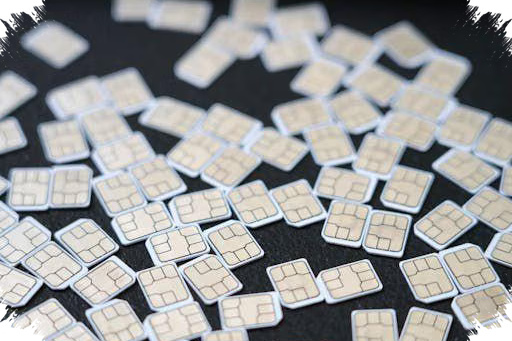
Indonesia’s mobile number registration system is entering a new phase as the Ministry of Communication and Digital begins testing face recognition as a voluntary option for SIM card registration. The move is designed as a protection measure at a time when scam losses have already reached Rp9.5 trillion.
The trial sits under a program called SEMANTIK, short for Senyum Nyaman dengan Biometrik. It has been running since the start of 2026, and the government is targeting a national rollout in July.
A voluntary step before any wider mandate
For now, the biometric process is not being pushed as a compulsory requirement for all users. Komdigi and mobile operators have agreed to begin with a voluntary scheme for existing customers, so the system can be tested without placing immediate pressure on the entire subscriber base.
Edwin Hidayat Abdullah said the face recognition trial is proceeding well. He also said three operators have been asked to prepare voluntary registration for existing numbers.
That approach is meant to give the government a clearer picture of whether operator systems are ready. It also allows identity checks to happen earlier, before the policy expands to a much larger scale.
Why the government is moving now
The push comes as scam threats are being treated as increasingly serious. Data from the Financial Services Authority, through Indonesia Anti-Scam, recorded losses of up to Rp9.5 trillion and 548,000 reports through April 2026.
Komdigi sees biometric registration as more than just a new way to enroll a SIM card. The ministry also views it as another layer of protection against the misuse of mobile numbers for crimes that may not yet be detected.
Edwin said anti-scam systems are needed so phone numbers are not used for other forms of crime. He added that the voluntary format also gives users a chance to check whether their numbers are being used without permission.
Testing the system before a larger shift
The government is taking a gradual approach because the next stage could involve a very large user base. Edwin noted that if face recognition registration is eventually made mandatory, the number of people who would need to register could reach hundreds of millions.
For that reason, officials consider step-by-step testing necessary before the policy moves to a broader phase. The trial is meant to show how operator systems perform and how the biometric process works in practice for existing subscribers.
Komdigi has placed mobile operators inside the protection framework, not only as service providers. The ministry has asked the three operators to prepare registration for existing numbers so the early stage can be measured and controlled.
Trust as the policy foundation
Edwin said trust is a key foundation for digital economic growth. People continue to communicate and transact through mobile networks, so security in those networks cannot be overlooked.
He also said a large data exchange infrastructure will not work effectively without trust between the parties involved. In that view, biometrics is intended to protect users and support progress, rather than make access more difficult.
The government links the policy to the state’s duty to protect citizens and promote public welfare. For that reason, face-based SIM registration is being treated as a security instrument, not merely a new administrative procedure.
What comes next
With the trial already underway, attention now turns to technical readiness and user protection. Komdigi wants to make sure operator systems are ready before the rollout reaches a wider stage.
If the national implementation begins as planned, face recognition could become a new layer of SIM card security in Indonesia. It is also expected to strengthen efforts against scams that continue to generate large numbers of complaints and losses.
Source: www.idntimes.com