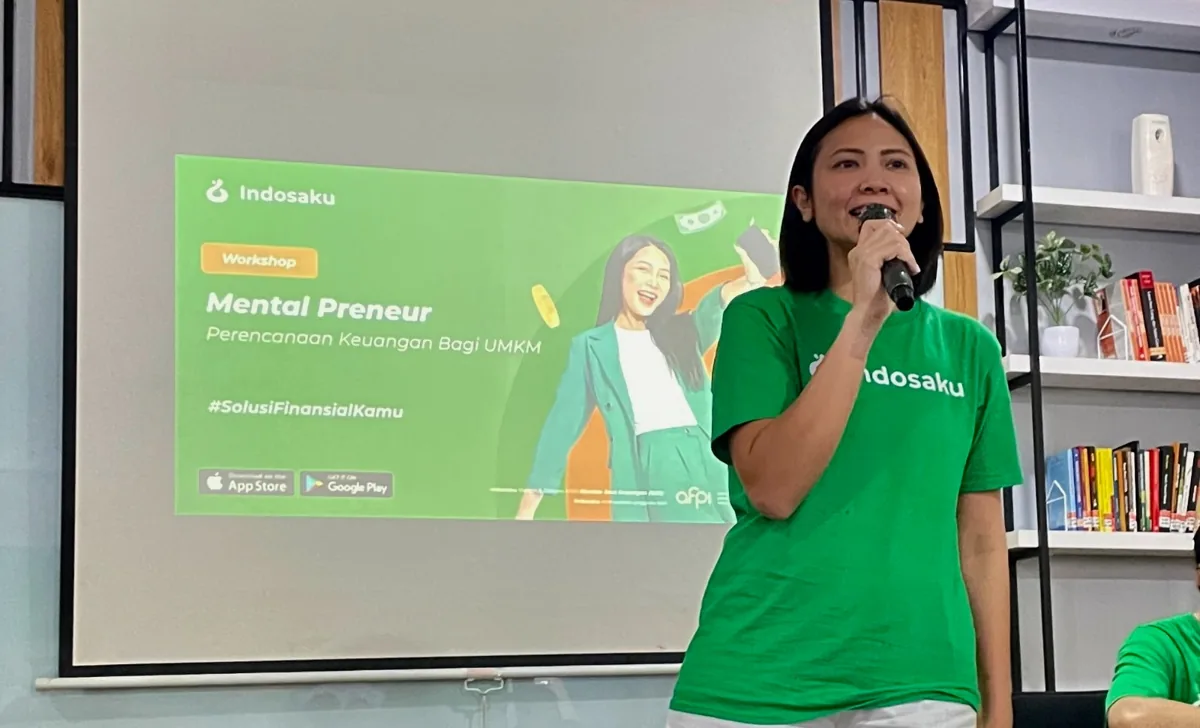
For many students, the easiest digital financial service to try is also the one that can create the fastest problems if it is used without discipline. That is the concern driving Indosaku’s latest education push into campus life, where the company is focusing on how young people can avoid illegal online lending and manage money more responsibly.
The effort is aimed at helping students treat digital finance as a tool, not a trap. Indosaku, which is licensed and supervised by OJK, sees financial literacy as essential as access to loan apps becomes increasingly easy.
Campus outreach as a financial literacy strategy
One of the clearest signs of that approach was Indosaku’s participation in the “Pindar Mengajar” program organized by AFPI at the Faculty of Economics, Universitas Nahdlatul Ulama Yogyakarta. The event brought together regulators, industry associations, and higher education institutions in one educational forum.
Within that setting, Indosaku promoted the idea of “Transformasi Cerdas Menjadi Bijak.” The message behind it was simple: academic intelligence should be matched by sound judgment when students use financial applications.
Yogyakarta was seen as a fitting location for the outreach because of its reputation as a student city. With a large concentration of students and young people living away from home, the city offers a direct way to reach a generation that actively experiments with fintech services.
Why students are a key audience
Indosaku considers college years a crucial stage in shaping financial habits and economic decision-making. That is why campus education is viewed as relevant for helping students understand the risks before they use digital lending services.
The company also stresses that managing daily cash flow has become a pressing need for younger people. In that context, digital loans should be understood as productive financial instruments rather than as tools for supporting consumptive lifestyles.
The company encourages people to identify their real needs before applying for a loan. That step helps users assess whether the borrowing decision is justified and whether repayment is realistic.
Legal lending versus illegal lending
A major part of the education effort focuses on helping people distinguish between legal and illegal online lending platforms. According to Indosaku, legal platforms hold official OJK authorization and must follow strict rules.
Data protection is one of the main differences highlighted in the program. Legal platforms are required to safeguard users’ personal data from the risk of cyber misuse.
Indosaku also points to interest transparency as another sign of a healthy service. With that understanding, the public is expected to avoid the high-interest practices often associated with illegal lenders.
Risk awareness in digital borrowing
The company also warns that every loan application carries legal consequences and is tied to credit scores that need to be kept clean. That makes digital borrowing a decision that deserves caution, not impulse.
This message is especially important for young users who may be tempted to see borrowing as an easy fix. Indosaku’s educational approach is meant to shift that mindset toward more careful financial behavior.
Working with regulators and academics
Indosaku says the education effort is carried out together with OJK, AFPI, and the academic community. The collaboration is intended to strengthen public protection when people choose safe digital financial services.
The company also says it will continue supporting literacy initiatives so that the fintech lending industry can grow in an inclusive, trustworthy, and sustainable way. At the same time, Indosaku says it remains committed to delivering user-friendly financial technology services with clean governance.
Source: id.mashable.com-
-

-

-