Some of the most criticized games at launch later became the ones players returned to the most. Their recoveries were not accidental; each one changed through major updates, system fixes, or complete redesigns that addressed the problems people complained about first.
That pattern is especially clear in big online games and ambitious RPGs. In several cases, a bad first impression did not end the story, because developers kept patching, rebuilding, and expanding until the game finally matched its potential.
When a troubled launch still left room for recovery
Fallout 76 became one of the most disappointing launches in the Fallout series. The absence of NPCs, a static story, and weak multiplayer integration quickly turned many players away.
Bethesda later answered with the Wastelanders update, which improved gameplay systems and added more NPCs along with more engaging missions. That shift gave Fallout 76 a real turnaround and helped it earn a better reputation.
Cyberpunk 2077 followed a similar path, though its problems were especially severe on PS4 and Xbox One. The game was filled with bugs, often crashed, and performed so poorly that Sony and Microsoft removed it from their online stores and offered refunds.
CD Projekt Red responded with many fixes, patches, and upgrades. Over time, the addition of new content, Update 2.0, and the Phantom Liberty DLC helped the game recover in the eyes of many players.
Games that rebuilt trust over time
No Man’s Sky also went through a long and difficult rebuild after the controversy surrounding Sean Murray, founder of Hello Games, before release. The development team kept rolling out updates until the promised content finally arrived.
As the updates continued, the game’s exploration and overall gameplay became more polished. The steady addition of new content helped restore No Man’s Sky’s reputation and made it feel much more complete.
Star Wars Battlefront 2 drew heavy criticism because its progression system pushed players toward microtransactions. The backlash was so intense that it reached Reddit, where the developer’s comment became one of the most downvoted on the site.
EA later removed the problematic monetization and adjusted progression. After that, the game felt fairer and received a second chance from many players.
Reboots, resets, and community fixes
Final Fantasy XIV is remembered for having a very poor launch. Players criticized the confusing UI, excessive grinding, and unclear features, which made the game hard to embrace from the start.
Square Enix then used Bahamut’s destruction of the world as the in-story reason to reset the game. That led to A Realm Reborn, the version that became the stable and widely liked foundation of Final Fantasy XIV today.
Fallout: New Vegas also launched with many bugs, but its reputation improved thanks in part to community-made patches. Those fixes made it easier for more players to experience The Courier’s journey and the branching choices that shape the story.
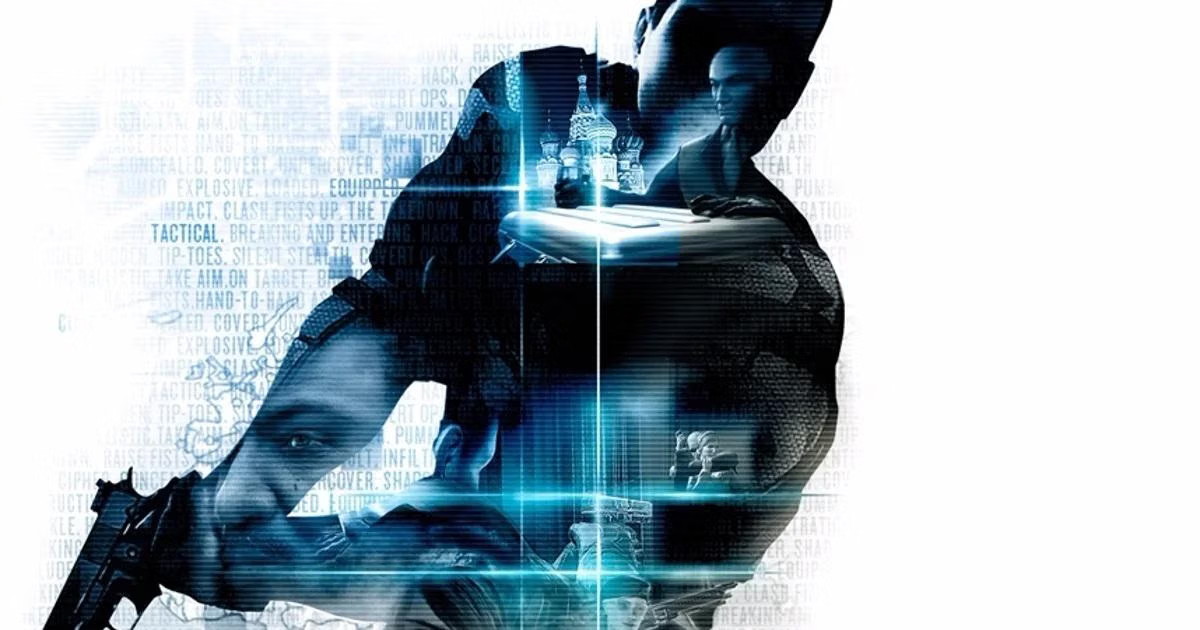
Alpha Protocol had its own rough release, fitting the pattern often associated with Obsidian Entertainment at the time. Many players ignored it at launch, even though it offered a distinctive RPG structure built around difficult decisions and branching story paths.
Its gameplay systems were simple, but the dynamic narrative gave it lasting appeal. For many RPG fans, that story depth is what kept Alpha Protocol memorable despite its troubled beginning.
Source: www.idntimes.com-
-

-

-