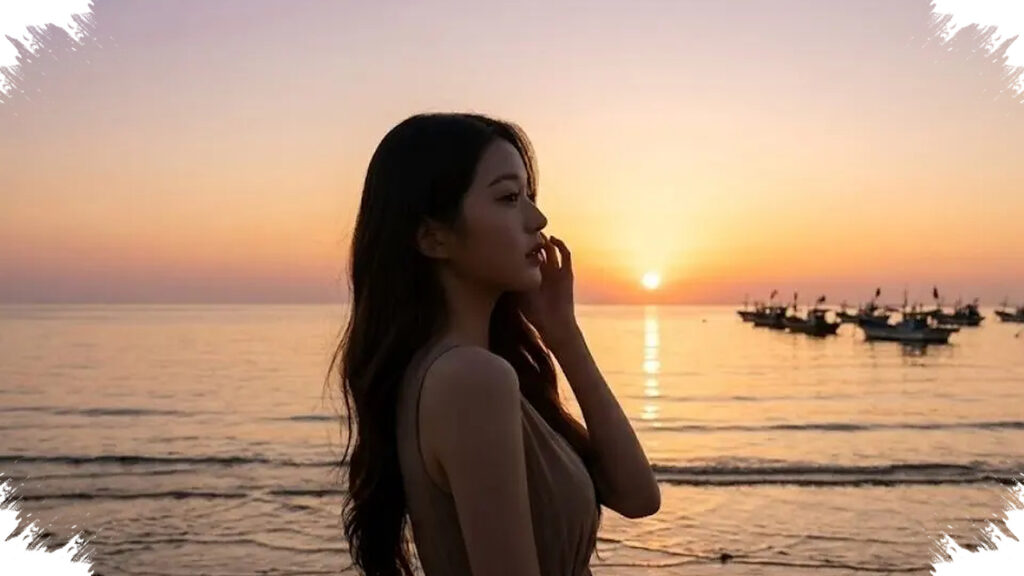
Beach photos at sunset continue to stand out because they naturally combine warm light, a golden sky, and a calm atmosphere by the sea. When that setting is paired with Gemini AI, the image can be pushed toward a more cinematic look without losing the subject’s original character.
The key is balance. Light, composition, and expression need to work together so the edited result still feels realistic and natural, even when the mood becomes more dramatic.
Why sunset beach scenes remain a strong visual choice
The beach at dusk offers a consistent visual appeal because it blends warmth with a romantic tone. That is one reason the theme is often used for cinematic-style work, whether for personal collections or social media posts.
In Gemini AI prompts, the goal is not only to create a beautiful sky. Facial detail, gaze direction, lighting, and the surrounding mood also need to stay believable so the photo keeps its original identity.
What the strongest prompts tend to protect
The most effective prompt patterns focus on preserving the user’s face with accuracy. They also keep body detail, skin texture, hair, and eyes looking natural rather than overly edited.
That approach shifts the transformation toward the background, lighting, pose, and atmosphere. The face remains recognizable while the scene around it becomes more dramatic and polished.
Visual details that make the result feel professional
The prompts use soft, realistic sunset lighting as a core element. Some direct the scene toward golden orange skies, while others ask for gradients of orange, pink, and soft blue.
Environmental detail also plays a major role. Small waves, sand texture, reflections on the water, thin clouds, and a long shoreline help build a scene that feels deeper and more alive.
Six pose directions that shape the final mood
One prompt places the subject standing straight and facing the horizon with both hands in the pockets. It emphasizes natural shadows, visible sand texture, and a focused look.
Another version creates a more dynamic feel by having the subject walk slowly on the sand while glancing back at the camera. The combination of afternoon light, windblown hair, and an expressive face becomes the main visual focus.
A third prompt positions the subject on a rock near the shoreline in a relaxed seated pose. The gradient sky and golden reflections on the face and clothing give it an editorial look.
More variations for a cinematic frame
A fourth prompt suits a magazine-style result by placing the subject at the edge of the water with crossed arms. Its focus is on soft cinematic lighting, authentic skin tone, and realistic facial dimension.
A fifth option introduces a quieter beach mood with small boats in the distance. The side-facing pose toward the sunset adds emotion, while soft silhouette work and natural sky color keep the image grounded.
The sixth prompt uses an exotic beach with a long shoreline and a seated pose in the sand while looking at the camera. Reflections in the eyes, clear hair and clothing texture, and subtle depth of field make the result feel elegant and cinematic.
What matters most when using the prompts
All six prompts point to the same priority: keep the subject’s visual identity precise. The strongest results come from adjusting the setting, lighting, pose, and atmosphere while leaving the face and core features intact.
That balance is what makes a sunset beach image look professional rather than overprocessed. When dramatic tone stays controlled by natural detail, the final photo remains realistic, cinematic, and ready to share.