


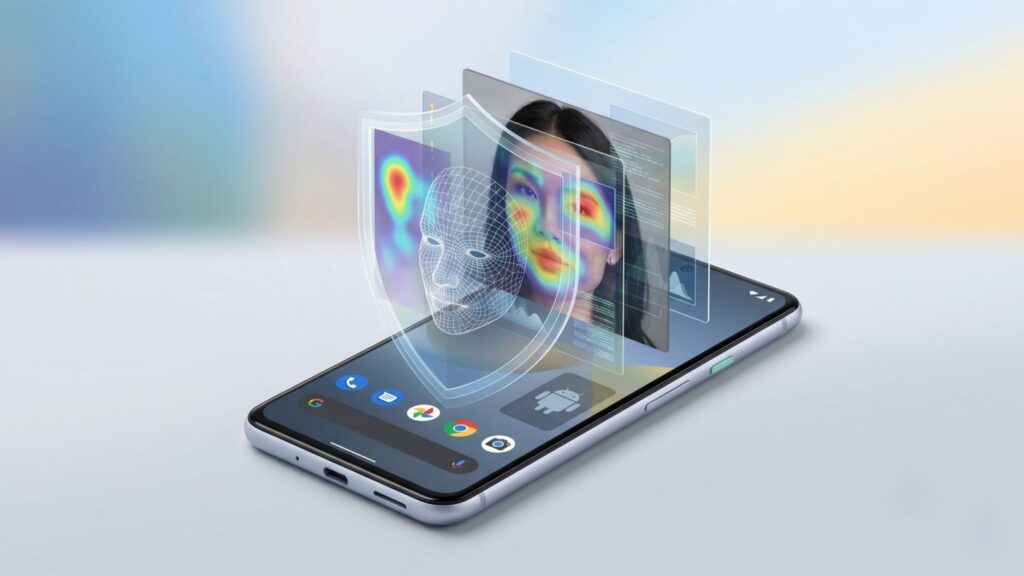
Google is giving Pixel phones a new line of defense against a type of call scam that has become harder to spot. A caller may sound familiar, appear to match a trusted contact, and still be fake.
The company is rolling out a feature that targets identity spoofing, including schemes that use AI to imitate the voice of someone close to the user. It arrives as part of the June 2026 Android Feature Bundle for compatible Pixel devices.
A check that goes beyond caller ID
For many people, the warning signs of a scam call used to be obvious: an unknown number, a strange area code, or an out-of-place request. That is no longer enough when attackers can disguise themselves as family members or close friends.
Google is trying to close that gap through additional verification on the device. In the Phone by Google app, the system will look for a kind of digital handshake to confirm that the caller matches the identity shown on screen.
If that verification cannot be confirmed, the user will receive a warning that the call may be fraudulent. The goal is to make deception harder even when the number and the voice both seem convincing.
How the new detection works
The feature does not rely only on what the incoming call looks or sounds like. Google is adding another layer of checking by contacting the real contact’s device to see whether an outgoing call is actually happening there.
That means the Pixel is not simply judging the displayed number or the voice on the line. It is also trying to match the call against activity on the device that belongs to the real contact.
This approach makes the system more active than standard caller screening. Instead of only labeling a call as suspicious, it tries to verify whether the identity being presented is genuinely in use.
Why the threat has changed
Phone-based scams are no longer limited to clearly suspicious numbers. AI has made it easier to copy a voice and hide the fact that the caller is not who they claim to be.
That shift makes familiar-looking calls more dangerous, especially when the message is designed to sound urgent. A caller pretending to be a family member or friend can push the recipient to act quickly before taking time to verify the request.
Android already includes several protections for privacy and security, and mobile carriers also use screening systems to help limit harmful activity. Even so, these layers can still be challenged by newer forms of impersonation.
What Pixel users can expect
For compatible Pixel phones, the new feature is part of the June 2026 Android Feature Bundle and is now being rolled out. Availability will depend on whether the device supports the update.
Google is not presenting the feature as a replacement for caution. The warning still serves as a signal that the call cannot be fully verified, leaving the final decision to the person answering.
Still, the addition of a digital handshake and a check against the real contact’s device gives Pixel owners a more direct way to deal with impersonation calls. As AI makes fake voices and fake identities harder to separate from genuine ones, that extra verification step may become one of the most useful protections on the phone.
Source: www.androidpolice.com