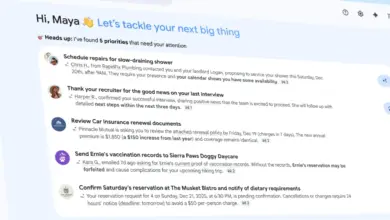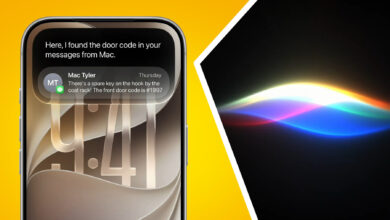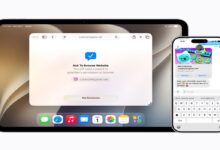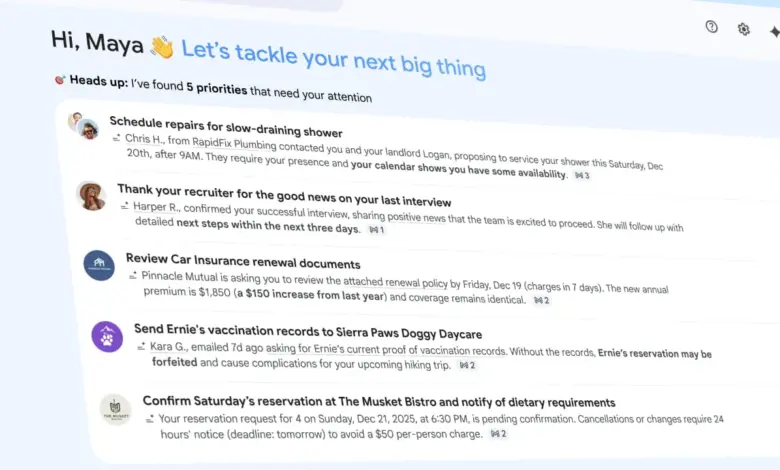
Google is testing a different way to deal with overflowing inboxes and scattered digital activity: turning them into short AI-generated daily stories instead of another endless stream of alerts. The experimental app, called Dreambeans, is designed to pull from a user’s connected Google services and reshape that activity into something easier to read.
The approach sets Dreambeans apart from the typical modern feed model. Rather than asking people to keep scrolling through more notifications, Google is limiting the number of stories so the experience feels more curated and less overwhelming.
A more curated way to surface daily activity
Dreambeans connects to a user’s Google ecosystem, including Gmail, Calendar, Photos, YouTube, Search history, and other supported services. Access works through Gemini Personal Intelligence, but only after the user grants permission for that data to be used.
Google says the app uses existing AI tools, including Personal Intelligence and Nano Banana 2, to build daily stories that aim to “cut through the clutter and connect you to what matters.” The result is presented like a digital storybook, with distinctive illustrations that reflect the people and places that appear often in a user’s routine.
That visual style is part of what makes Dreambeans feel less like a utility dashboard and more like a morning briefing with a narrative format. It is built to make the day’s most relevant information easier to absorb at a glance.
The app is designed to act on context, not just requests
Google’s examples show that Dreambeans is meant to work proactively across apps. A Gmail confirmation about pet treats, for instance, could lead to training tips related to those treats.
Another example shows a Calendar reminder about a friend visiting, which could trigger restaurant recommendations nearby that are dog-friendly. If a story catches the user’s attention, tapping it can reveal more detail and expand the suggestions.
From there, the app may surface additional ideas, such as a nearby dog park or puppy training classes. Useful items can also be saved to the app’s library, making Dreambeans more than a temporary summary feed.
Designed to reduce clutter rather than add to it
Google is positioning Dreambeans as an experience that avoids the attention drain of endless scrolling. The limited set of stories is meant to spark ideas without filling the screen with too much information.
That matters because the app relies on highly personal data, but it packages the results in a lighter and more selective format. Instead of presenting raw notifications from different services, Dreambeans turns them into a more readable daily narrative.
The system also allows feedback when a suggestion does not feel right. If a recommendation misses the mark, Dreambeans can adjust future stories to fit better.
Users can also tell the app when something important has not been recognized, including a new hobby. That input helps shape later stories so they align more closely with the user’s interests and routine.
Availability starts with limited access
Dreambeans requires at least one connected Google app to function, although the experience is expected to work best when all supported Google apps are linked. That broader connection gives the app more context to work with as it builds each story.
The initial rollout begins for eligible Google AI Ultra subscribers in the United States. The app is available on Android and iOS, while other users can join the waitlist.
With Dreambeans, Google is pointing toward a different use of personal data spread across Gmail, Calendar, Photos, YouTube, and Search. The goal is not only to summarize activity, but to turn it into a daily story that can help users decide what matters next.
Source: www.androidpolice.com