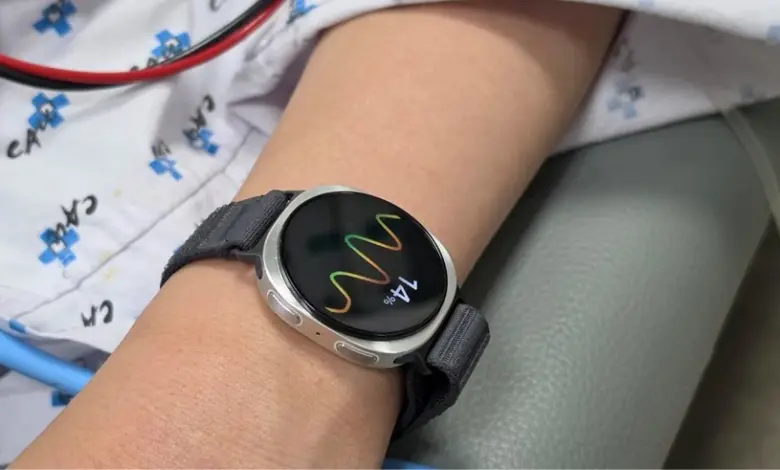
Samsung is moving its Galaxy Watch lineup beyond passive tracking and into guided health coaching. The company is rolling out new AI-powered Samsung Health features as it prepares the next generation of Galaxy Watch devices.
The update begins on 8 June and is set to become a major part of the next wearable lineup. With rumors surrounding the Galaxy Watch 9 next month, Samsung is putting health features at the center of its smartwatch strategy.
Health data gets a more personal layer
Samsung says the new features use biometric data collected by Galaxy Watch and combine it with AI-based insights. The goal is to deliver recommendations that feel more personal and easier to act on.
That shift also shows how Samsung wants to build a broader AI health ecosystem across Galaxy devices. The watch is no longer meant only to record activity, but also to help translate that data into daily guidance.
One of the main additions is Vitals, which analyzes five biometric signals during sleep. These include heart rate, heart rate variability, respiratory rate, skin temperature, and blood oxygen levels.
Samsung says Vitals will not overwhelm users with constant alerts. The feature only issues warnings when it detects meaningful changes from each person’s normal baseline.
That approach matters because daily health data can be difficult to interpret without personal context. By comparing changes against the user’s own baseline, the alerts should become more relevant and less generic.
New tools for training and recovery
For active users, Samsung is adding Daily Cardio Load. The feature measures the accumulated cardiovascular load during aerobic workouts and suggests training intensity and recovery periods.
Samsung is also introducing Fitness Index. It evaluates metrics such as heart rate, VO2 Max, and daily steps to generate more suitable fitness targets and more specific performance insight.
Together, the two features show Samsung moving further into workout guidance rather than simple activity logging. With AI, workout data that was once raw now becomes a tool for managing exercise rhythm and recovery more carefully.
Samsung is also expanding Heart Health Score. The feature builds on last year’s Vascular Load and combines several indicators into one daily score.
The score brings together data tied to sleep, stress, activity, and body composition. Samsung says the aim is to help users understand habits that influence long-term cardiovascular health.
Samsung Health is getting a cleaner layout
Along with new features, Samsung is redesigning the Samsung Health app. The app is now split into five core categories: Sleep, Activity, Nutrition, Mindfulness, and Vitals.
The updated home screen also highlights AI-based Energy Score insights and personalized health recommendations. The new layout is designed to make important information easier to read at a glance.
This redesign supports Samsung’s effort to make health data more practical. For users, the value is not only the number of available metrics, but also the way the information is organized for daily decisions.
Older features are becoming smarter too
Samsung is not only adding new tools. It is also improving several existing features inside the platform.
Antioxidant Index now includes trend graphs and historical data to help users see the link between dietary choices and health outcomes. AGEs Index can also capture overnight measurements automatically.
These updates point to Samsung’s view of digital health as an ongoing process. Momentary data still matters, but the bigger value comes from reading patterns and changes over time.
Hearing protection enters the picture
Another new feature is Hearing Health. Using Galaxy Watch, Samsung can monitor the level of noise around the user and provide personalized insight into potential hearing risks.
The feature is meant for everyday situations, from commuting in heavy traffic to working in noisy environments. Samsung also highlights use during high-volume music listening while exercising as another relevant case.
By tracking that exposure, users can better understand the impact of loud sound over time. That information may help them take steps to protect their hearing in the long run.
The Samsung Health update shows that the next Galaxy Watch launch will bring more than new hardware. In a competitive wearable market, Samsung is choosing AI-based health tools as the key differentiator for its smartwatch lineup.