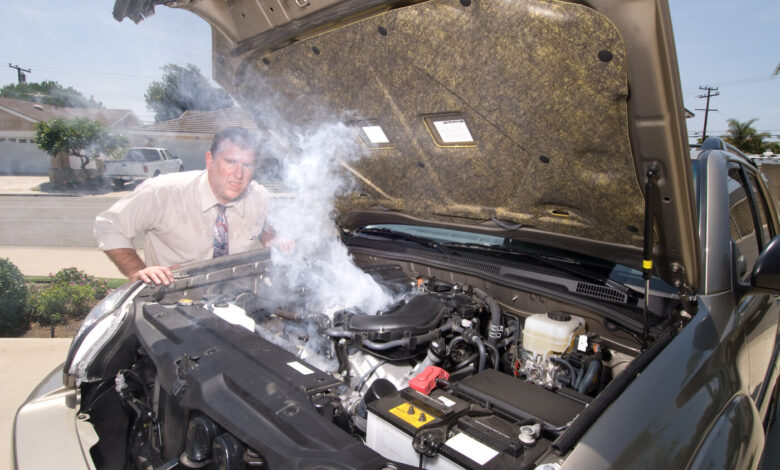
An engine that runs hot in traffic is often dismissed as a normal consequence of heat and congestion. In many cases, however, it is the first warning that the cooling system is no longer working as it should.
The concern is not minor. Repeated temperature spikes can lead to overheating and trigger repairs that cost far more than routine maintenance.
Why the cooling system matters most in a jam
The radiator is designed to release heat absorbed by the coolant after it passes through the engine block. That cycle must continue without interruption if the engine is to stay within its ideal operating range.
When a car is moving at normal speed, airflow from the front of the vehicle helps the radiator dissipate heat. In slow traffic or at a standstill, that natural airflow drops sharply and the radiator fan becomes the key component keeping temperatures under control.
If the radiator or one of its supporting parts is compromised, cooling efficiency falls quickly. The result is an engine that becomes easier to overheat even without heavy driving conditions.
Problems that show up most often
One of the most common issues is a dirty or clogged radiator. Rust deposits, mineral scale, and coolant residue can restrict internal flow and reduce the radiator’s ability to shed heat.
Dirt on the front side also matters. Dust, mud, insects, and other debris can block the fins, limit airflow, and make the cooling process less effective.
The radiator fan is another frequent weak point. Mechanics often point to a damaged fan motor, relay, temperature sensor, or fuse when the fan fails to activate as the engine temperature climbs.
When the fan does not work properly, the radiator loses its main helper during traffic jams. That is when the temperature gauge can rise much faster than many drivers expect.
Coolant, pressure, and temperature control
Low coolant levels can also push engine temperatures upward. Because coolant carries heat away from the engine and into the radiator, insufficient volume weakens the entire system.
A small leak is enough to create this problem. Hoses, the reservoir, the radiator cap, and even the water pump can lose fluid gradually without leaving an obvious puddle.
The radiator cap itself plays a more important role than many drivers realize. It helps maintain system pressure and raises the boiling point of the coolant so the fluid does not evaporate too easily.
If the cap is damaged, pressure becomes unstable and the cooling system cannot work as intended during prolonged traffic.
Thermostat failure is another issue to watch. This part regulates coolant flow according to engine temperature, and if it sticks closed, heat can build up inside the engine very quickly.
Warning signs that should not be ignored
Technical guidance from automakers commonly points to a hotter-than-usual engine in traffic as one of the earliest clues. Other signs can include a fan that runs more often, rising coolant consumption, or a smell of coolant from the engine bay.
Ignoring those symptoms increases the risk of serious damage. Overheating can affect the head gasket, pistons, and even the engine block itself.
That is why regular inspection of the cooling system is strongly recommended. The radiator should be cleaned, coolant should be replaced according to service intervals, hoses should be checked, and the fan should be tested for normal operation.
If the temperature begins to climb while driving, turning on the cabin heater can help move some heat away from the engine. The driver should then look for a safe place to stop as soon as possible.
Once the vehicle is parked safely, the coolant level and related components can be checked. The radiator cap should never be opened while the engine is still hot because pressurized hot fluid can spray out dangerously.
Keeping the cooling system in good condition is one of the simplest ways to extend engine life. Preventive radiator service is far cheaper than dealing with overheating repairs that can reach millions of rupiah.