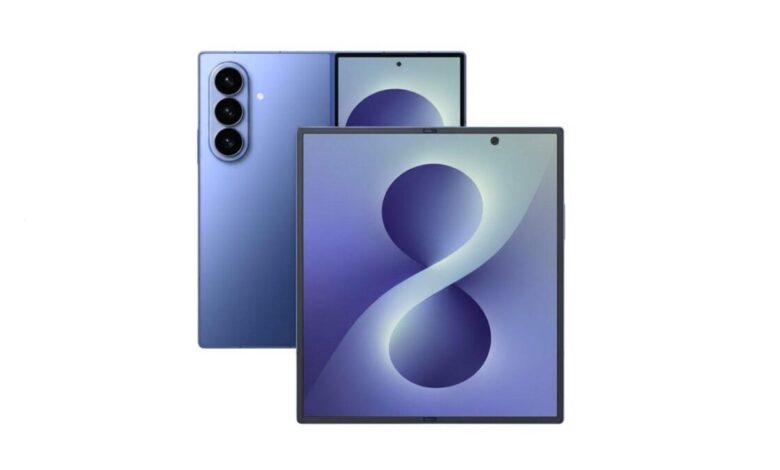
Samsung is reportedly preparing a substantial refresh for the Galaxy Z Fold 8 Ultra, with changes that reach across the camera, display, weight, and charging system. The direction is clear: make the premium foldable feel more refined, more practical, and less compromised than before.
That ambition matters because the foldable market is no longer driven only by novelty. Buyers are now paying closer attention to comfort, durability, and value, which puts more pressure on Samsung to deliver meaningful upgrades without making the device harder to justify at retail.
Camera gains aim at a more polished daily experience
One of the most notable additions is a new 24 MP photo mode built directly into the native camera app. The feature was previously tied to the Galaxy S26 Ultra, and its arrival on the Fold 8 Ultra could improve sharpness for users who want cleaner results without digging into manual settings.
The change also raises a familiar question about Samsung’s feature strategy. The mode did not arrive on the earlier 200 MP Ultra model, which makes its appearance here feel like both an upgrade and a reminder that software support does not always move evenly across the lineup.
Sharper panels and a more usable form factor
Samsung is also pushing display quality forward, with the cover screen reportedly reaching 432 pixels per inch and the main screen landing at 403 pixels per inch. That translates to roughly a 10% increase in sharpness compared with the Galaxy Z Fold 7.
The improvement should be most noticeable during video playback, multitasking, and gaming, where foldable screens are expected to justify their premium positioning. Even so, the change appears incremental rather than transformative, so it may not be enough on its own to persuade current Fold owners to upgrade.
Design is where the device may win more attention. The Galaxy Z Fold 8 Ultra is said to weigh 215 grams, while the regular Galaxy Z Fold 8 comes in at 201 grams, and both are described as thinner when unfolded.
That lighter build is important because weight and thickness remain two of the biggest obstacles for foldable adoption. Samsung seems to be narrowing the gap between a foldable and a conventional smartphone, which could make the device easier to carry and more comfortable over long sessions.
Faster charging and bigger batteries add practical value
Battery life is also part of the update. The Galaxy Z Fold 8 series is said to support 45 W fast charging, while the battery capacity on both models is reportedly being increased as well.
For a device designed around multitasking, media use, and productivity, that combination matters more than a simple spec bump. Faster charging and longer endurance are the kinds of improvements that can shape everyday satisfaction far more than headline features alone.
Not every model in Samsung’s foldable family is moving at the same pace, however. The Galaxy Z Flip 8 is still expected to remain at 25 W charging, with no similar upgrade in that area.
Accessories and market pressure frame the bigger picture
Samsung is also preparing a Carbon Standing Case for the Z Fold 8 lineup. The accessory uses a carbon-fiber finish, includes a built-in stand, and is designed to add utility without making the device feel overly bulky.
The case may seem like a small detail, but it reflects Samsung’s attempt to make the foldable more practical in everyday use. Video calls, media viewing, and hands-free multitasking all benefit from that kind of design support.
Beneath the product improvements, though, Samsung appears to be taking a more cautious view of the market. The company is reportedly targeting 5 million to 6 million units for the Z Fold 8 series, a more conservative outlook than the combined performance of the previous Fold and Flip generation.
That caution is tied in part to softening interest in clamshell foldables, which are now said to account for less than 10% of foldable sales. It also reflects rising component costs, which could push retail pricing higher and make the series harder to position against a more price-sensitive market.
Samsung’s challenge is now straightforward but difficult: keep improving the hardware while avoiding a price increase that dilutes the appeal of those upgrades. The Galaxy Z Fold 8 Ultra may be lighter, sharper, and faster to charge, but its ultimate success will depend on whether consumers see enough value to accept the likely cost of that refinement.