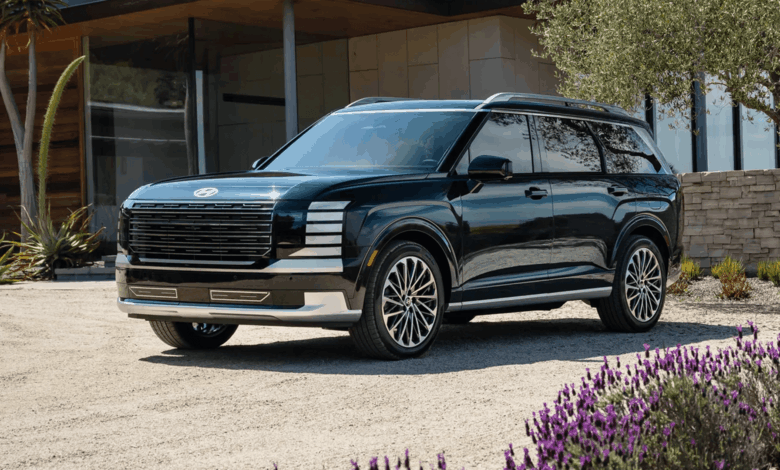
Modern SUVs may seem to come from the same mold, with upright bodies, narrow headlights, and thick black bumpers repeating across brands. That similarity is not just a matter of taste, but the result of overlapping technical and commercial pressures.
As automakers push for efficiency, safety compliance, and lower development costs, design teams have less room to create radically different front ends. The market then reinforces the same formula, because familiar shapes are often easier to sell.
1. Aerodynamics now shapes the body
One of the strongest forces is aerodynamics, because SUVs are naturally taller and bulkier than lower cars. That shape creates more drag, which matters more as electrification spreads and emissions rules become stricter.
Designers therefore try to clean up airflow so EVs can save battery range and conventional models can use less fuel. In physical terms, the ideal shape is closer to a teardrop, which is why many new SUVs have smoother surfaces and less extreme lines than older generations.
2. Safety regulations narrow the front-end design
Safety rules also play a major role, especially pedestrian protection standards used by testing bodies such as Euro NCAP and ASEAN NCAP. These regulations affect the front structure by requiring safe spacing between the hood and hard components underneath.
The goal is to let the hood absorb impact if a pedestrian is struck. As a result, many modern SUVs have a taller, thicker, and more rounded nose, which makes different models look even more alike.
The A-pillar, which supports the windshield, is also made thicker to improve rollover performance in testing. That leaves designers with even less freedom to build a unique face without compromising compliance.
3. Shared platforms create similar proportions
Cost control is another reason the market looks increasingly uniform. Research and development in the auto industry is expensive, so many manufacturers now operate within large groups or strategic alliances.
They often build multiple models on the same platform, with the chassis, suspension points, electric motor or engine placement, and floor structure already fixed from the start. Once that foundation is shared, designers usually change only the outer skin and cosmetic details.
The result is that the basic proportions and silhouette remain close even when the badges are different. To the eye, that can make one SUV feel like a close sibling of another from the same corporate family.
4. Buyers reward the safest-looking formula
Market behavior reinforces the same pattern. In high-volume automotive segments, brands are often cautious about designs that are too unusual, because radical styling can hurt sales.
Global consumer research shows that buyers tend to prefer a familiar SUV formula, including slim LED lights with split headlights, two-tone bodies with black roofs, and horizontal rear light bars that run across the tailgate. Once one brand succeeds with that look, others quickly follow.
From utility to visual convergence
Those technical, safety, and business pressures have pushed SUVs toward a shared design language. The differences remain in the details, but the overall look has become much harder to separate at a glance.
For enthusiasts, that can feel like a loss of character. For manufacturers, however, the overlap is often the most practical compromise between efficiency, regulation, and sales performance.