Rising fuel costs are changing how Indonesian buyers judge a new car. With Pertamax reaching Rp17 ribu, operating expense is becoming as important as the sticker price.
That shift is creating a stronger case for electrified vehicles, especially plug-in hybrids that can reduce fuel use without forcing drivers to give up a gasoline engine entirely. BYD appears to be moving quickly to capture that demand.
Super Hybrid at the center of the plan
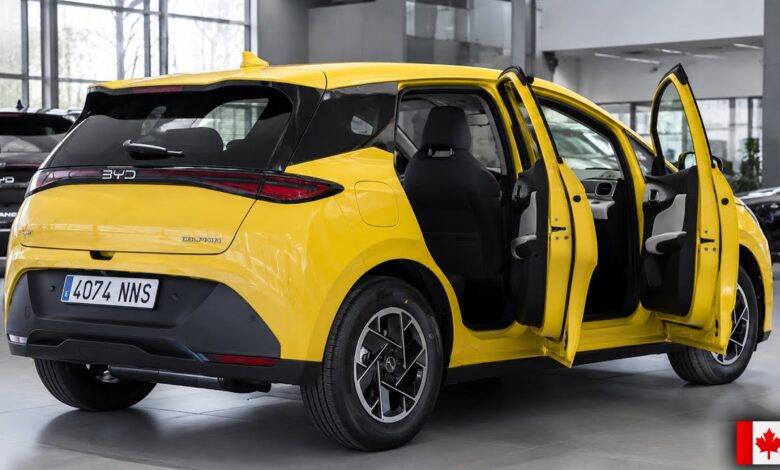
The Chinese automaker is reportedly preparing several PHEV models for Indonesia, using its Dual Mode or DM-i system. The setup combines a gasoline engine and an electric motor in a way designed to maximize efficiency in daily use.
In many driving conditions, the electric motor is expected to handle most of the work. The gasoline engine then steps in when needed, mainly to extend range and support overall efficiency.
This approach sets PHEV models apart from conventional hybrids. Rather than only assisting the engine, the system is built to keep fuel consumption as low as possible by relying more heavily on electric power.
Two models stand out
One of the most talked-about models is the BYD M6 DM-i, a three-row family vehicle expected to receive the updated Super Hybrid DM-i technology. Its hybrid battery is said to allow up to around 105 kilometers of pure electric driving.
When the gasoline engine is added to the equation, total range is claimed to reach around 1,100 kilometers. For families who want a spacious vehicle and long-distance practicality, that combination is hard to ignore.
BYD is also preparing a new SUV called the Sealion 08 PHEV. It is scheduled to arrive ahead of GIIAS 2026 and is said to offer a combined driving range of about 900 kilometers.
That figure gives the model a clear advantage for drivers who regularly travel far and want fewer fuel stops. It also strengthens the case for hybrids at a time when fuel prices remain a major concern.
Why the timing matters
BYD’s wider push comes through its premium sub-brand Denza as well. Denza has already introduced the B5, which uses Dual Mode Offroad or DMO technology.
Denza B8 is also being prepared as a seven-seat SUV with the latest Super Hybrid system. Together, these models suggest that the brand wants to apply hybrid technology across different segments, not just family MPVs.
For buyers, the appeal is becoming easier to understand. Many consumers are no longer looking only at purchase price; they are also calculating long-term ownership costs such as fuel use and annual taxes.
Electric and electrified vehicles generally benefit from cost advantages that can help lower the burden over time. Electric cars, in particular, are said to carry much lower annual tax than gasoline cars in the same class.
That is why PHEV has become a practical middle ground for many shoppers. It offers the flexibility of a gasoline engine while still delivering the efficiency benefits associated with electrification.
A market heading toward GIIAS 2026
GIIAS 2026 is likely to become an important stage for BYD’s hybrid lineup. If the planned models arrive as expected, they could intensify competition in Indonesia’s electrified car market.
The timing is especially favorable because buyers now have more options beyond full battery-electric vehicles. For many households, a super-efficient hybrid may feel like the most realistic path to cutting running costs without changing driving habits too sharply.
As fuel prices stay elevated, the appeal of models such as the BYD M6 DM-i and Sealion 08 PHEV is likely to grow. Their claimed range figures and hybrid efficiency make them stand out at a moment when consumers are paying closer attention to every rupiah spent at the pump.