Interest in the rumored Honda BeAT 150 has stayed unusually strong because it points to a real gap in the Indonesian scooter market. The model has not been officially launched, yet the discussion keeps returning across social media, automotive forums, and search engines.
That sustained attention suggests there is still demand for a compact 150 cc scooter that feels more affordable than premium models. For many riders, the appeal is not only the name BeAT, but also the possibility of a practical step up from the current entry-level lineup.
A gap left open by the middle class scooter segment
One reason the rumor continues to circulate is the space left behind after the Honda Vario 150 was removed from the market. Some observers connect the renewed interest in BeAT 150 directly to that absence.
Honda’s mid-tier scooter lineup has since shifted toward larger engines and higher prices. As a result, some consumers feel they no longer have a model that fits daily commuting needs while still offering stronger performance.
The BeAT name itself already carries substantial weight in Indonesia because it has long been one of the country’s most recognizable scooters. That familiarity makes any talk of a larger-displacement version spread quickly and attract broad attention.
Sportier styling is part of the appeal
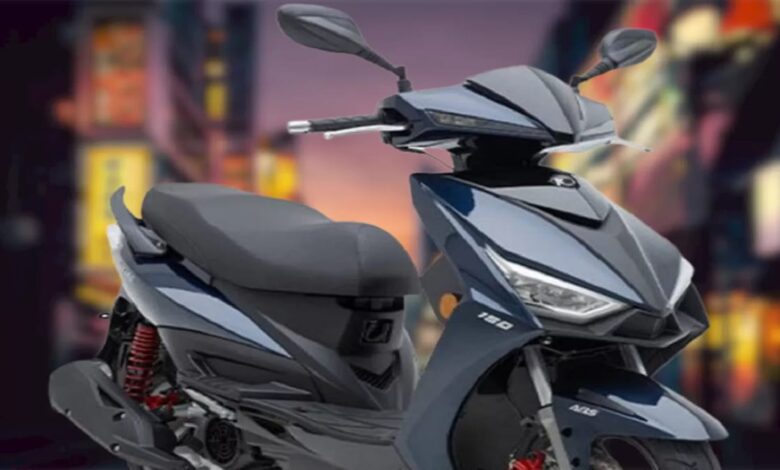
Design speculation has become another major part of the conversation. Digital renderings circulating online often show a BeAT with a sharper and more aggressive look than the current generation.
The front lighting is imagined as more angular, while the body lines appear firmer and more sporty. That direction aligns with current market taste, especially among younger buyers who place high value on appearance.
For some riders, the attraction is not just style for its own sake. A more mature visual identity could add value while preserving the practicality that has always defined the BeAT family.
That is why the rumor is discussed as more than a simple engine upgrade. Many consumers are imagining a scooter that remains compact for everyday use but looks bolder and more refined.
Performance expectations are high
Engine performance is another area where expectations keep building. If Honda BeAT 150 ever arrives, it is widely expected to deliver more power than the 110 cc BeAT currently on the road.
A compact body paired with a larger engine is considered suitable for city riding. Riders see that formula as attractive because it promises quicker acceleration while remaining easy to handle in crowded traffic.
That performance promise matters to users who want a nimble scooter without moving to a larger and more cumbersome machine. In market terms, this would place BeAT 150 between everyday practicality and a meaningful boost in capability.
As long as that need remains relevant, the rumor is unlikely to disappear quickly. The discussion keeps resurfacing because the idea continues to fit a very familiar consumer expectation.
Feature expectations are rising too
The rumor has also raised expectations around equipment and convenience features. Buyers now judge scooters not only by engine size, but also by the technology that makes daily use easier.
Features such as keyless entry, LED lighting, a charging port, a digital instrument panel, and fuel-saving technology are increasingly mentioned in speculation around the model. That suggests a future BeAT 150 would be expected to arrive with more modern equipment than the regular BeAT.
This shift shows how the market has changed. Even in the commuter scooter segment, features now play a major role in shaping buyer interest.
At the same time, all of the details currently circulating remain speculation. Design, specifications, features, and possible pricing have not been officially announced.
PT Astra Honda Motor has also not confirmed whether the Honda BeAT 150 will come to Indonesia. For now, the model remains a rumor, but the scale of public attention shows that a compact 150 cc scooter is still a very compelling idea.