Apple’s next major watch software update is shaping up to be far more selective than many users expected. watchOS 27 is now being linked to a much narrower compatibility list, and two popular Apple Watch models from 2022 appear set to miss out entirely.
The clearest takeaway is that Apple is tightening support across its wearable lineup just as it is also closing the door on Intel-based Macs with macOS 27 Golden Gate. That broader shift suggests the company is moving aggressively toward newer hardware across multiple product lines.
Only five Apple Watch models are expected to qualify
According to the compatibility list currently circulating, watchOS 27 will be available only for Apple Watch SE 3, Apple Watch Series 10, Apple Watch Series 11, Apple Watch Ultra 2, and Apple Watch Ultra 3.
That is a very small pool for a major software release, and it marks a notable change in how Apple is drawing the line for its smartwatch software. For users, the reduced list signals that older devices are being pushed out faster than before.
Apple Watch Series 9 was briefly a concern
One early concern for users was the absence of Apple Watch Series 9 from the initial compatibility chatter. Apple later clarified to Engadget that Series 9 will still receive full support, easing fears that the model had been left behind.
Two 2022 models face the biggest setback
The most disappointing news is reserved for owners of the first-generation Apple Watch Ultra and the Apple Watch SE 2. Both models launched in 2022, yet they are now expected to be excluded from watchOS 27.
That decision is likely to feel abrupt for users who expected a longer software lifespan. With watchOS 27 out of reach, watchOS 26 may stand as the last major update for those devices.
The logic points to heavier AI demands
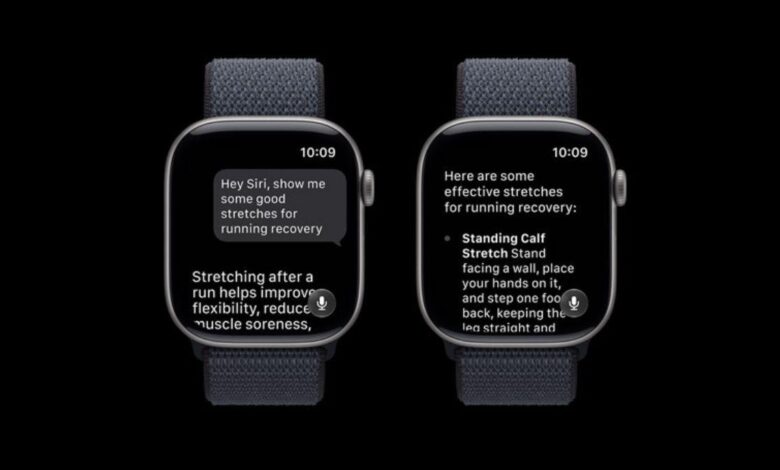
Apple’s push around Siri and Apple Intelligence appears to be a key reason behind the stricter policy. The company’s AI features are said to rely heavily on neural engine performance, especially for local processing.
That requirement is believed to be too demanding for the chipset architecture used in Apple Watch models released in 2022 and earlier. Rather than force support onto hardware that could struggle, Apple seems to be prioritizing a more stable experience on newer devices.
The contrast with iPhone support is also striking, since iOS 27 is still expected to continue supporting older hardware, including the iPhone 11 family. The difference highlights how wearables may be facing a steeper hardware threshold than phones as Apple adds more advanced software capabilities.