


The global smartphone market is facing a difficult year as shipment volumes are projected to fall 15%, according to CCS Insight. The main trigger is a sharp rise in entry-level handset prices, which have climbed by more than 50% since last year.
Rising memory costs are adding to the strain, driven by the AI boom and surging demand for high-performance server hardware. As chip makers prioritize higher-margin memory for servers, supply for DRAM and NAND used in PCs and smartphones has become tighter.
Pressure is already visible in early shipment data
CCS Insight said new smartphone shipments fell 4.4% in the first quarter of 2026, even after distributors and retailers stocked up early in anticipation of higher device prices. The firm sees that as a sign of a weak outlook for the market this year.
The decline has been forecast since the start of the year. In January 2026, the global smartphone market was estimated to fall by at least 5.2%, while phone prices were expected to rise 6% to 8%.
By February 2026, analysts were predicting an 8% drop in global smartphone shipments alongside a price increase of around 14%. Those estimates now sit against an even more pessimistic outlook from CCS Insight.
AI demand is reshaping memory supply
CCS Insight says the key driver is the explosive growth in AI, which has boosted demand for high-performance servers. That shift has pushed memory producers to focus on products with stronger margins for data centers rather than components for consumer devices.
According to the firm, memory now accounts for more than 30% of production costs in some smartphone models. Ben Hatton, a CCS Insight research analyst, said the memory crisis is unlikely to ease soon and is putting pressure on both manufacturers and consumers.
The company also expects the current memory situation to fuel a supercycle that could last until 2028. Even so, the full impact of higher memory costs has not yet been felt in every region, and device prices are expected to keep rising through the year.
Used phones are gaining ground
Higher memory costs hit budget smartphones hardest, because memory and storage make up a larger share of total production costs in entry-level models than in premium devices. As a result, some low-cost phones have become as much as 50% more expensive than a year earlier.
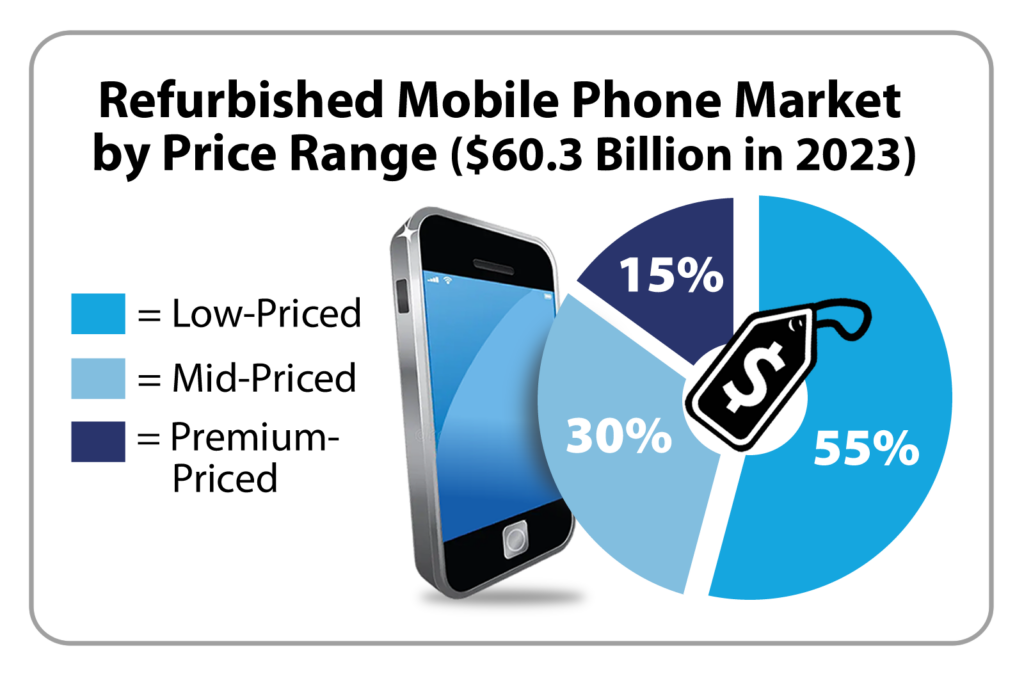
At the same time, the organized used-smartphone market is moving in the opposite direction. CCS Insight reported 4% growth in the first quarter of 2026, supported by buyers looking for cheaper alternatives as new phone prices climb.
The firm expects the used-phone market to grow about 15% across 2026. However, that segment also faces a supply problem because fewer consumers are buying new phones, which can reduce the number of older devices entering the resale market.
Replacement cycles are also getting longer. Many users now keep their smartphones for more than four years before upgrading, compared with the two- to three-year cycle that was more common in previous years.
That shift may help sustain demand for used devices, but it also makes inventory harder to secure as launches of new flagship phones slow down. In the short term, that supply imbalance is likely to remain one of the biggest challenges for the market.