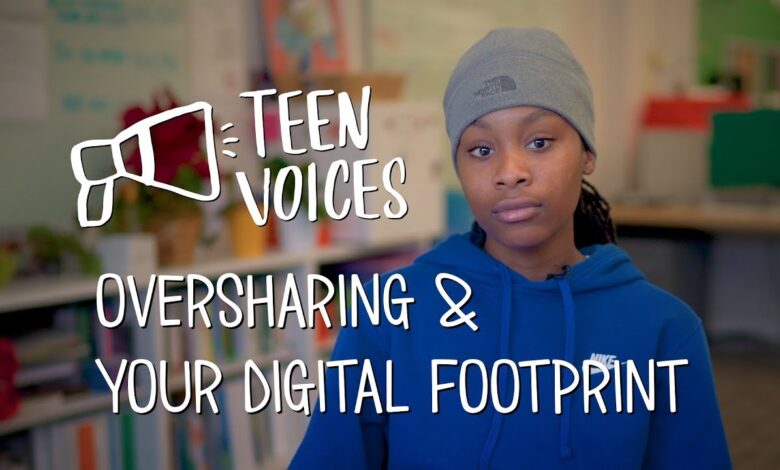
For many young people, social media has become the place to talk, vent, and document daily life without hesitation. That openness can feel natural, but it also carries a growing set of risks that are becoming harder to ignore.
Platforms such as TikTok, Instagram, and X are no longer used only for communication or entertainment. They also serve as spaces where users seek attention, recognition, and public reaction through likes, comments, and other forms of engagement.
Why Oversharing Has Become So Common
Oversharing refers to the habit of posting personal information too freely in digital spaces without fully considering the consequences. It can include daily routines, private relationships, family matters, locations, or emotional conditions.
For some users, this level of openness feels justified because social media offers a place to speak freely and look for support. Yet the more personal detail that enters the public domain, the thinner the line becomes between private life and public exposure.
The shift is also changing how young people communicate. Personal stories that once stayed within close circles are now often posted for broader audiences, turning social feeds into the main outlet for self-expression.
Privacy Risks Are Easier to Miss
One of the clearest concerns is how much personal information can be exposed in a single post. Details such as location, routines, and private circumstances may be visible to people the account owner does not know.
Seemingly harmless content can be used in harmful ways. Information shared casually online may later support misuse of data or other illegal actions that place the account owner at risk.
Digital footprints make the problem more serious. Every upload can leave a record that is difficult to erase completely, even after the original post is deleted from the account.
That means the impact of one post does not end when the content disappears from view. Once information spreads online, it can keep circulating, be saved, or be reused without the owner’s knowledge.
Attention Metrics Can Affect Mental Health
Oversharing is not only a privacy issue. It can also create psychological pressure when users start tying their self-worth to comments and the number of likes they receive.
Negative reactions often intensify that pressure. Harsh criticism, sharp replies, or reposts made without permission can create emotional stress for the person who uploaded the content.
In some cases, excessive disclosure becomes a doorway to cyberbullying. What begins as an attempt to seek connection or support can instead invite social attacks that are difficult to control.
That pressure can spill into offline life and affect personal as well as social well-being. As a result, social media use increasingly demands self-control and awareness to keep online interaction from becoming a source of harm.
Digital Literacy Matters as Much as Regulation
Indonesia already has the Personal Data Protection Law, known as UU PDP, to protect public data. But legal safeguards alone are not enough if users still fail to protect their own privacy.
The key step is understanding that not everything needs to be made public. Protecting privacy does not mean withdrawing from social media, but it does mean recognizing the need to limit sensitive exposure.
Freedom of expression remains an important part of the digital experience. At the same time, that freedom needs responsibility, especially when posts involve personal matters, other people, or sensitive information.
Sharing personal experiences is not inherently wrong when clear boundaries are kept in place. In a culture that increasingly rewards openness, the ability to hold back has become a crucial part of social media etiquette and digital literacy for younger users.