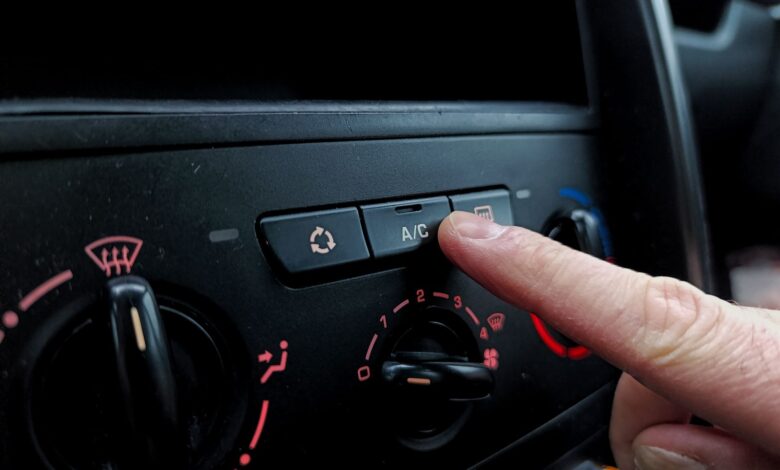
A car air conditioner that still blows strongly but no longer cools properly is often the first warning that something inside the system is not working as it should. In daily use, that kind of change is easy to ignore until the damage spreads and repair costs rise.
For drivers in tropical climates, AC performance is a major part of cabin comfort. Small changes in temperature, noise, smell, or cooling consistency can reveal problems long before the system stops working altogether.
Strong airflow, but no cold air
One of the most common early signs is a fan that still feels powerful while the cabin remains warm. This usually means the cooling process is no longer running efficiently.
The cause is often a drop in refrigerant due to a leak in the hose, connection, or evaporator. A weakening compressor can create the same result, so the system should be checked for pressure before any recharge is done.
Cold while driving, hot when stopped
Another typical symptom appears when the AC feels cool only while the car is moving, then turns warm in traffic or at a stop. That pattern often points to a problem in the condenser cooling system.
A weak condenser fan, a damaged fan motor, or a condenser clogged with dust and dirt can reduce cooling performance when the vehicle is not moving. Cleaning the condenser and checking the fan are the first practical steps.
Noise when the AC is switched on
Unusual sounds such as humming, rubbing, or squeaking should not be dismissed. These noises often indicate a mechanical problem somewhere in the AC drive system.
Bearings in the compressor, the pulley, or the magnetic clutch are common sources of the sound. If the issue is left alone, the compressor can suffer more serious damage and eventually fail completely.
Bad odor from the vents
A musty or sharp smell coming from the vents can signal dirt buildup inside the airflow system. Dust, mold, and bacteria often collect on the evaporator or cabin filter.
The problem is not only uncomfortable but can also affect passengers with allergies or breathing sensitivities. Regular evaporator cleaning and cabin filter replacement are recommended, ideally every 10,000 to 20,000 kilometers or according to the manufacturer’s guidance.
Excess condensation or frozen AC pipes
Heavy fog on the windshield or ice forming on AC pipes suggests that refrigerant circulation is not working properly. In many cases, the issue comes from low refrigerant, a faulty expansion valve, or a dirty evaporator.
Simply adding more refrigerant without a full inspection can make the problem worse. The focus should stay on the source of the fault, not only on the visible symptom.
Regular servicing still matters
To keep the system reliable, AC servicing is generally advised every six months or based on how often the vehicle is used. Routine maintenance helps prevent small faults from turning into expensive repairs.
Typical checks include refrigerant pressure, condenser and evaporator cleaning, cabin filter replacement, and compressor performance. With regular attention, drivers can keep cooling stable and reduce the risk of major AC damage later on.