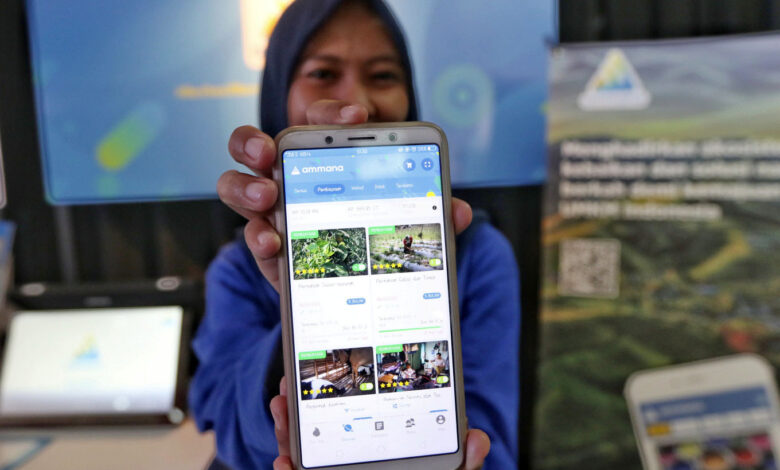
The welfare ranking used for Indonesia’s social aid distribution is drawing sharp attention in 2026. Through the Data Tunggal Sosial dan Ekonomi Nasional, or DTSEN, citizens can now see where they stand in the social and economic ladder with only a phone and the NIK printed on an ID card.
That information matters because the government uses it to decide access to programs such as PKH, BPNT, the Sembako Program, and PBI health insurance assistance. For many households, the result can explain why aid appears, why it does not, or why a household is placed in a different category than expected.
How the Desil system works
Desil divides the population into 10 groups based on welfare levels. Desil 1 represents the lowest economic condition, while Desil 10 describes the highest level of welfare.
The lower the desil number, the greater the chance of being prioritized for social assistance. That is why the ranking has become one of the most closely watched indicators in aid distribution.
Checking your status from a phone
People can check their status through the official Ministry of Social Affairs website at cekbansos.kemensos.go.id. The process is simple: enter the NIK listed on the ID card, complete the verification code, and press the search button.
The system will then display the registered information, including social assistance status and the welfare data recorded for the individual. The ministry also provides the Cek Bansos app, which can be downloaded on Play Store or App Store and used after logging in with a registered account.
Once inside the app, users choose the aid-check menu, fill in the requested data, and submit the search. If the information matches, the status and desil category will appear on the screen without any need to visit an office.
Offline verification is still available
Not everyone can rely on digital access, so verification is also available at the village office, subdistrict office, or local Social Affairs Office. Residents need to bring their ID card and family card so officers can check the data recorded in DTSEN.
This route is especially important for people with unstable internet access or those who are not used to using mobile applications. It also gives residents a direct channel to ask for help when the online results are unclear.
Which desil groups are most likely to receive aid
The government’s welfare bands are closely tied to eligibility. Desil 1 includes extreme poverty, desil 2 poverty, desil 3 near-poor households, desil 4 vulnerable households, and desil 5 households moving toward the middle class.
Desil 6 through desil 10 cover the middle class and higher-income groups. In practice, the lower desil bands are the main priority for many assistance programs.
| Desil Group | General Welfare Category | Aid Priority |
|---|---|---|
| 1 | Extreme poverty | Highest priority |
| 2 | Poverty | High priority |
| 3 | Near-poor | Priority |
| 4 | Vulnerable | Priority |
| 5 | Approaching middle class | Lower priority |
| 6-10 | Middle to upper economic groups | Not main priority |
Desil 1 to 4 are the groups most likely to receive PKH, while Desil 1 to 5 are the strongest candidates for BPNT, the Sembako Program, PBI health insurance assistance, and several other social protection schemes including ATENSI.
Why some names do not appear
Some residents expect to be listed, but their names do not appear in the system. That can happen if population data is incomplete, still under verification, or not yet synchronized.
It can also occur when a registered beneficiary has died or when the household includes an ASN, TNI, Polri member, or an employee of a state-owned or regional-owned enterprise. The government updates the data periodically to keep distribution accurate.
When the desil result feels wrong
If the welfare ranking does not reflect real economic conditions, residents can request a data update. The request can be made offline at the village office, subdistrict office, or Social Affairs Office, or online through the “Usulan” feature in the Cek Bansos app.
Officials urge residents to keep population data and social-economic conditions updated so aid can remain targeted. For many families, the desil result is now the clearest guide to how the social protection system sees their position.