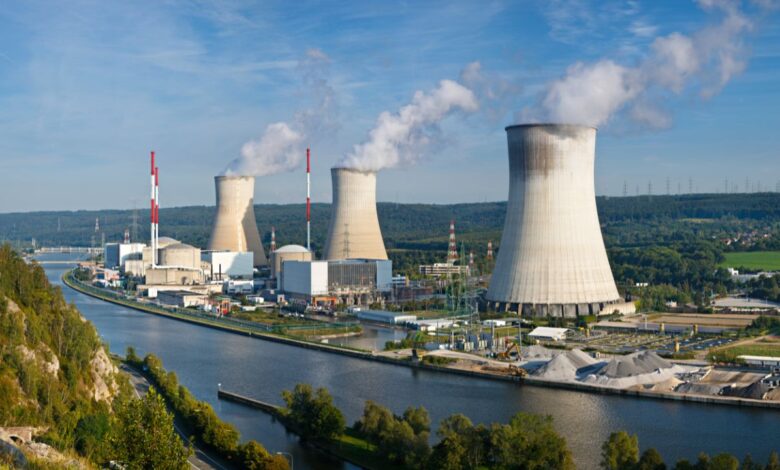
Canada is moving ahead with a broad nuclear expansion plan that could reshape its electricity system over the next 15 years. The strategy combines large reactor builds, small modular reactors, microreactor development, and a stronger export push for uranium and CANDU technology.
Natural Resources Canada said the plan is designed to support construction of up to 10 new large-scale nuclear reactors across the country. Of that total, two reactors are targeted to be under construction by 2035, signaling an early phase of the expansion.
A broader role for nuclear power
Nuclear energy already plays a meaningful role in Canada’s power mix. About 13 percent of the country’s electricity comes from nuclear generation, supported by 17 operating CANDU reactors in Ontario and New Brunswick.
That existing base gives Ottawa a foundation for a much larger buildout. Rather than relying on a single project or region, the new strategy sets a midterm roadmap for expanding capacity step by step.
The plan also says five additional reactors should be in the planning or development stage by 2040. That timeline suggests the government wants momentum to continue well beyond the first construction milestones.
Small modular reactors move to the forefront
Large-scale reactors are only one part of the agenda. Canada is also treating small modular reactors, or SMRs, as a key part of its future energy strategy.
These reactors are viewed as a more flexible option for different power needs, especially in systems where traditional nuclear projects may be harder to deploy. The government wants to speed up their rollout as part of the wider expansion push.
Canada is also aiming to demonstrate a domestically built microreactor by 2035. The goal is for those microreactors to serve remote communities by the end of the 2030s, extending nuclear technology beyond major population centers.
That focus matters because it shows the strategy is not limited to large utility-scale plants. It also includes energy solutions for places that are difficult to connect to the main grid.
Export ambitions go beyond domestic demand
Canada is also using the plan to strengthen its position in global nuclear markets. The government wants to secure CANDU technology in at least four new international markets by 2040.
It also aims to work with six to 10 emerging nuclear markets over the next 15 years. Together, those targets show that the strategy is as much about industrial influence as it is about domestic power supply.
CANDU is not new on the world stage. Canadian nuclear technology is already in use at 26 reactors across six countries, giving Ottawa a track record to build on as it seeks new partners.
Funding and fuel supply are part of the plan
According to Natural Resources Canada, a draft policy on federal funding for nuclear power projects is expected in April 2027. That step is important because nuclear projects usually depend on long-term policy certainty and financing support.
The strategy also places uranium supply inside the broader industrial plan. Canada expects its uranium exports to double by 2035 compared with 2024 levels, indicating that the country wants to expand both the upstream fuel chain and reactor construction at the same time.
With those targets in place, Canada is trying to move on several fronts at once. It wants more reactors at home, stronger technology exports abroad, faster SMR deployment, and a larger role for uranium in the nuclear economy.
The result is a wide-reaching strategy that connects electricity generation, remote energy access, industrial policy, and export growth. If the targets are met, Canada’s nuclear sector could become far more influential at home and in international markets by 2040.