


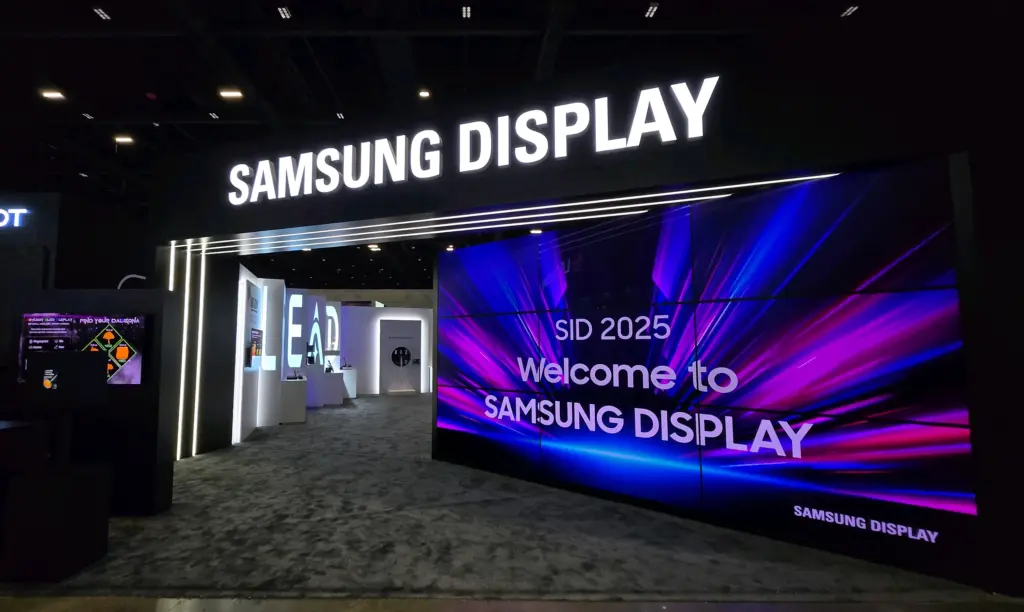
Samsung may be preparing one of the biggest shifts in the Galaxy S lineup in years. The base Galaxy S27 is reportedly being considered for an OLED panel from BOE instead of the familiar Samsung Display supply chain.
If that move happens, it would go beyond a simple component swap. It would signal that Samsung is willing to apply stronger cost discipline even to its flagship phones, where display quality has long been part of the brand’s premium identity.
Cost pressure is reshaping the mobile strategy
The reported shift comes as Samsung faces mounting component costs and little room to raise retail prices again. In that environment, a cheaper panel source becomes a practical way to protect margins without making a dramatic change to the overall product line.
Mobile division profitability is said to be under the most pressure, especially as memory and chipset costs continue to rise. At the same time, Samsung’s semiconductor business is benefiting from strong AI-driven demand, changing the balance inside the company.
That contrast helps explain why the mobile unit is looking for new ways to preserve earnings. Using a BOE panel on the base Galaxy S27 would fit that approach by reducing costs while avoiding another price increase for the flagship series.
BOE is no longer just a budget-name option
The name BOE may still raise questions among some technology watchers, but its OLED technology has improved significantly in recent years. For most everyday users, the difference between BOE and Samsung Display panels may not be dramatic in daily use.
The real issue is strategic rather than visual. Samsung has traditionally kept the Galaxy S family closer to its internal display supply, especially at the premium end of the market.
If the base Galaxy S27 becomes the first model in the series to use BOE, it would mark a clear test of how far Samsung can push efficiency without damaging the user experience or the brand’s flagship image.
Premium models may stay on Samsung Display panels
Reports suggest Samsung may still reserve Samsung Display panels for the Galaxy S27+ and Galaxy S27 Ultra. That would let the company separate its cost strategy for the base model from the more premium versions at the top of the lineup.
This approach would help Samsung preserve the strongest premium positioning for the higher-end variants. It would also allow the base model to absorb tighter cost controls, since buyers at that level are often more sensitive to price than to the technical origin of the display panel.
TM Roh, who leads Samsung’s mobile division, is reportedly expected to visit China soon, with discussions involving BOE viewed as a possible final stage in the panel-supply negotiation process. If confirmed, the decision would be notable not only for the Galaxy S27 itself, but also for what it says about Samsung’s priorities in the flagship market.
For now, the reported plan is best understood as a balancing act between margin protection, pricing discipline, and the need to keep the Galaxy S series positioned as a premium reference point. Whether users notice any meaningful difference may matter less than the signal Samsung sends by opening the door to BOE at the top of its smartphone range.