


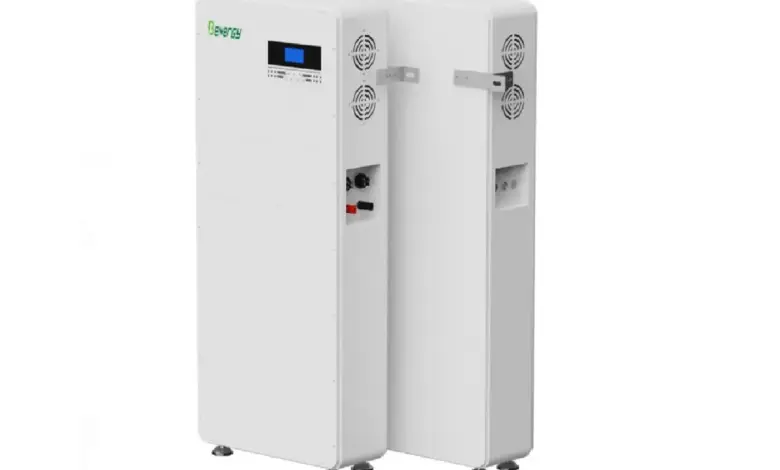
Traditional home batteries have long been sold as a path to energy independence, but their practical limits are becoming harder to ignore. High upfront costs, complex installation, and limited accessibility have slowed adoption for many households.
Plug-in home batteries are now emerging as a more accessible alternative. These systems can be connected to a standard 120V outlet without permanent installation, which removes several of the biggest hurdles that have held back conventional home storage.
Why the plug-in model is getting attention
The strongest advantage is simplicity. Users do not need to hire an electrician for permanent wiring, and the system can be set up with far less friction than a traditional battery installation.
Cost is another major factor. Conventional home battery systems are often priced around $10,000 to $15,000 or more, making them a major financial commitment for many households.
Accessibility also matters. Renters, apartment residents, and people with limited space often cannot install large permanent systems, even if they want a backup source of power.
Plug-in batteries are designed to fill that gap. They are portable, modular, and easier to deploy in homes where a fixed system would be impractical.
What systems like Pila are built to do
One of the examples discussed is Pila, which offers 1.6 kWh per unit and can be expanded to 3.2 kWh with an additional accessory. It is priced at $1,499 per unit, far below the five-digit cost of a traditional home battery setup.
Its use cases go beyond simple backup power. The system can keep essential devices running during an outage, support load shifting, and help users make better use of solar energy.
Load shifting allows electricity to be stored when rates are lower and used later when demand and prices are higher. For households looking for savings without a permanent installation, that can be a meaningful advantage.
For solar users, plug-in batteries can store surplus energy for later use. That makes the system a practical companion for people who want a simpler storage option without committing to a larger setup.
Pila also supports smart home integration, and users can monitor or manage it through a built-in touchscreen. The system can coordinate over a local network, which means it can still function without Wi‑Fi.
Where the limits still remain
Despite the convenience, plug-in batteries are not a full replacement for traditional home batteries. They are not designed to power an entire house or high-demand equipment such as HVAC systems and EV chargers.
There are also electrical code restrictions in the United States. At present, plug-in batteries cannot freely send power back to the grid or to household outlets, so their role remains limited to devices connected directly to the battery.
That limitation makes them a partial solution rather than a complete backup system. Even so, the lower entry price and easier setup give them a clear appeal for many users.
Who stands to benefit most
Renters and apartment residents are among the most obvious beneficiaries. They typically lack the freedom to install a permanent system, but they may still want backup power or a way to store solar electricity.
Homeowners with space constraints or installation barriers may also find the format attractive. For users who value portability and modular expansion, plug-in batteries offer a flexibility that conventional systems cannot easily match.
The long-term outlook could improve if UL 3700 safety standards become more widely adopted. That could eventually open the door to two-way power flow, allowing these systems to send energy back to the grid and participate in virtual power plants.
Storage for community settings is another possible direction, including apartment buildings and shared spaces. If regulation and technology continue to move in that direction, plug-in batteries could become part of a more local and decentralized energy network.