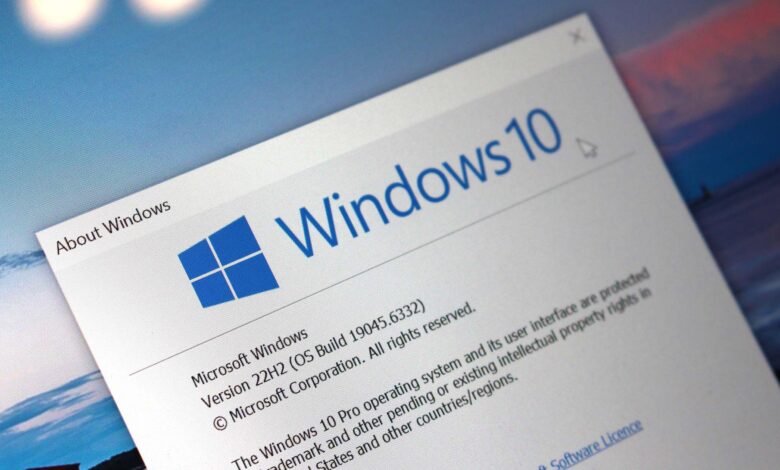
Microsoft has quietly extended Windows 10 Extended Security Updates, giving enrolled users protection until 12 October 2027. That adds another year beyond the original plan and offers a longer runway for people who are not ready to move to Windows 11.
The update matters because Windows 10 mainstream support ends on 14 October 2025. Under the earlier ESU schedule, security coverage would have been expected to stop in October 2026, leaving many users with less time to decide their next move.
A longer safety net for existing users
The extension applies to users who are already registered in the ESU program. Once enrolled, they will continue receiving security patches automatically through the new end date without needing extra action.
For households and businesses still relying on Windows 10 machines that are connected to the internet, that extra year can make a meaningful difference. It gives them more time to keep older systems protected while they plan a migration.
| Windows 10 Support Milestone | Date | What It Means |
|---|---|---|
| Mainstream support ends | 14 October 2025 | Windows 10 exits standard support |
| Original ESU end date | October 2026 | Initial security coverage window |
| Extended ESU end date | 12 October 2027 | Additional year of security updates for enrolled users |
How users can join ESU
Microsoft offers several ways to access the program. Users with a Microsoft account can register for free, while others can redeem 1,000 Microsoft Reward points or pay $30.
Those options make the transition more flexible for people who want to delay buying new hardware. That is especially relevant at a time when rising RAM prices and higher device costs have made upgrades harder to justify.
Pressure to move to Windows 11 remains
Microsoft continues to push users toward Windows 11, but not everyone sees an immediate reason to switch. Many Windows 10 PCs are still functional, and the extended ESU window gives owners more time before they have to commit to a replacement.
According to Notebookcheck, the quietly updated support page is the clearest sign so far that Microsoft is allowing a slower transition. For users who want to stay protected longer, the extra year to 2027 may be the most practical part of the company’s Windows strategy.