


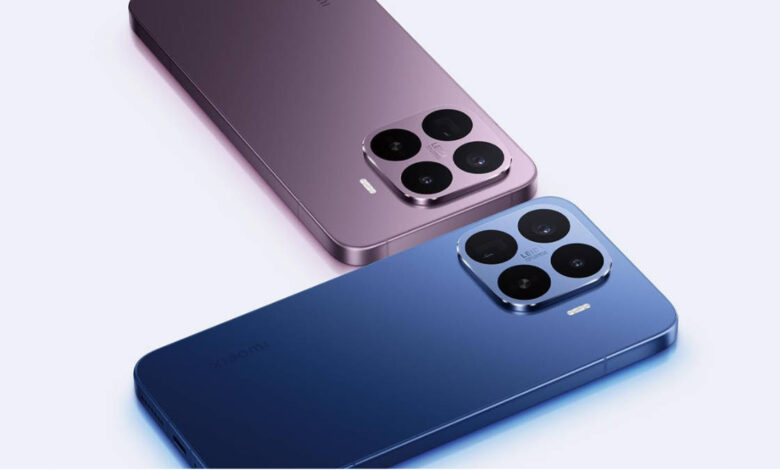
Motorola Signature is drawing attention in the flagship-killer segment because it packages several premium touches that are still uncommon at its price level. Against that backdrop, Xiaomi 17T Pro appears weaker in a number of areas that matter in everyday use.
The difference is not limited to raw performance. It also shows up in the parts users notice most often, including the display, protection, body design, connectivity, front camera, and biometric security.
Display efficiency is one of the clearest gaps
Motorola Signature uses an LTPO panel that can drop the refresh rate to 1Hz when the screen stays still. That helps reduce power consumption, especially during long periods of static display use.
Xiaomi 17T Pro still holds its display at 60Hz when idle, which makes Motorola more efficient for long-term everyday use.
Protection also moves up a class
Motorola equips the phone with Gorilla Glass Victus 2 on the front glass. The material is known for stronger resistance to impact and scratches than many lower-tier protectors.
Xiaomi 17T Pro still relies on Gorilla Glass 7i. That glass is more commonly found in the mid-range category, so Motorola’s protection appears more reassuring.
Thin, light, and easier to handle
In physical design, Motorola Signature measures 7 mm thick and weighs about 180 grams. The result is a more compact feel in the hand and better comfort during extended use.
Xiaomi 17T Pro is 8.3 mm thick and weighs 220 grams, a difference that is noticeable for users who care about ergonomics.
| Aspect | Motorola Signature | Xiaomi 17T Pro |
|---|---|---|
| Thickness | 7 mm | 8.3 mm |
| Weight | about 180 grams | 220 grams |
| Screen Protection | Gorilla Glass Victus 2 | Gorilla Glass 7i |
Connectivity is faster and more flexible
Motorola Signature comes with USB 3.1, so file transfers are faster. The connection also supports Smart Connect when the phone is linked to a monitor for a desktop-like experience.
Xiaomi 17T Pro still uses USB 2.0, which creates a clear limitation for users who move large files or need more flexible connectivity.
Camera hardware is not holding back the selfie side
On the camera front, Motorola Signature includes a 50-megapixel ultrawide lens, matching the main camera in resolution. That gives wide landscape shots a better chance of looking sharper and more detailed.
Motorola also takes the lead in the front camera because it can record 4K 60 fps video. Xiaomi 17T Pro stops at 4K 30 fps, which makes Motorola more appealing for selfie creators and vlog users.
Biometrics feel more premium
Motorola Signature uses an ultrasonic fingerprint sensor under the display. This technology is generally known for faster, more accurate, and more secure recognition under different finger conditions.
Xiaomi 17T Pro still uses a standard optical sensor. For users looking for a more premium feel and a more modern response, that difference strengthens Motorola Signature’s position.
Motorola Signature is not relying on elegant design alone. With LTPO display technology, Victus 2 protection, a thinner body, USB 3.1, a 50-megapixel ultrawide camera, 4K 60 fps front recording, and an ultrasonic sensor, it presents a package that puts Xiaomi 17T Pro under real pressure.