


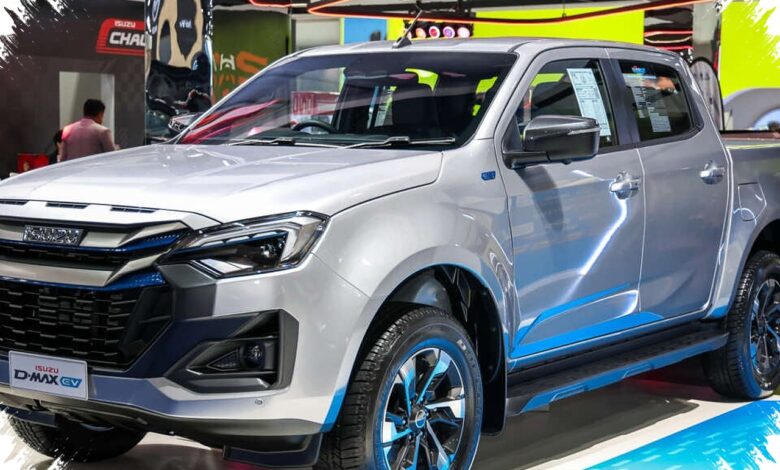
Isuzu is preparing the D-Max EV 2026 as a clear signal that electric power is moving into the commercial pickup segment. The model keeps the double-cabin workhorse identity, but replaces diesel with an electric drivetrain aimed at cleaner operation.
That shift matters because pickup buyers in this class usually value durability, consistency, and load-carrying ability above all else. The D-Max EV is being positioned to meet those expectations without losing the rugged character that has defined the D-Max nameplate.
Electric torque meets demanding workloads
One of the strongest selling points is the instant torque from the electric motor. That response should help the truck feel quick off the line, especially when carrying cargo or handling day-to-day fleet duties.
Isuzu is also focusing on steady power delivery across different conditions. For commercial users, that stability is often more important than a dramatic launch, because the vehicle must remain dependable under repeated use.
| Key Area | D-Max EV Focus | Why It Matters |
|---|---|---|
| Power Delivery | Instant torque from the electric motor | Improves response when loaded or working in traffic |
| Off-Road Ability | Configured for stable traction | Supports rough roads, mud, rocks, and steep climbs |
| Charging | Fast charging support | Reduces downtime for business use |
| Safety | Driver assistance features included | Adds protection in varied operating conditions |
Built to keep working off-road
The D-Max EV is also designed to remain capable in demanding terrain. Its drivetrain has been tuned to provide solid traction on rocky paths, muddy surfaces, and steep gradients.
A strong suspension setup and high ground clearance reinforce that mission. With those traits, the pickup is expected to suit plantations, construction sites, and other environments where road conditions can be harsh.
Familiar shape, more modern details
Isuzu has not abandoned the model’s muscular design language. The truck still looks like a traditional double cab built for hard work, but the front end now uses a closed grille to reflect its electric hardware.
Sharper LED headlamps and more defined body lines add a more modern look. Isuzu also made aerodynamic improvements to help support energy efficiency during use.
Cabin upgrades focus on information and comfort
Inside, the cabin is said to feel more premium thanks to upgraded materials and a more modern dashboard layout. The overall presentation is intended to look fresher than a conventional work pickup interior.
A large infotainment display brings connectivity features into the cabin, while a digital instrument panel gives the driver access to battery capacity, estimated range, energy consumption, and drive modes. Those details make the vehicle easier to monitor in real time.
Range and charging practicality
Isuzu says the D-Max EV can cover hundreds of kilometers on a single charge, although the actual figure will depend on driving style and road conditions. That level of efficiency is especially important for commercial buyers who need regular mobility.
Fast charging support is another practical advantage, with battery replenishment to around 80 percent possible in a relatively short time. For fleet operators, that can help limit idle time and keep operations moving.
Safety and market hurdles remain
Safety equipment includes automatic emergency braking, lane assist, a 360-degree camera, and other driver support systems. The package shows that Isuzu is treating protection as part of the truck’s overall development, not as an afterthought.
Even so, the market challenge is real. Charging infrastructure is still limited in some regions, especially outside major cities or near remote job sites, and the expected price is likely to be higher than diesel versions.
That combination means the D-Max EV 2026 enters the market with strong credentials, but also with practical questions that buyers will weigh carefully. If infrastructure grows and the pricing strategy lands well, the model could become a serious option for pickup users ready to move toward electrification without giving up the D-Max work ethic.