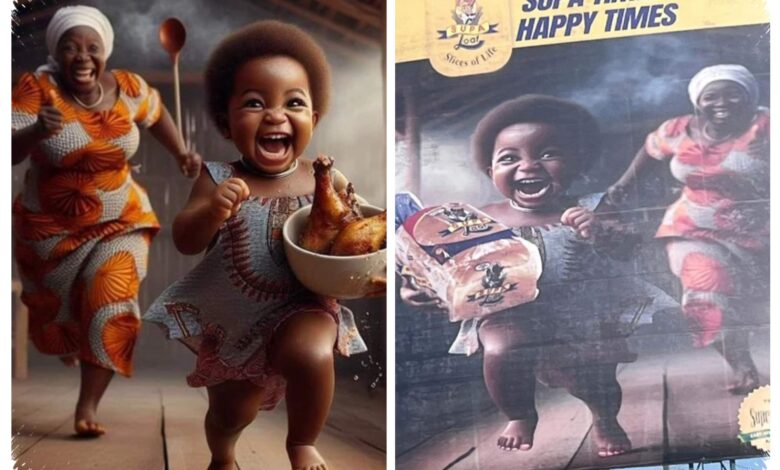
Advertising content can now be produced in seconds, from copy and images to video and voice. That speed is one of the clearest signs that artificial intelligence has moved from a support tool into a core production engine for the creative industry.
The change is no longer limited to large brands or major agencies. Content creators, marketers, and small businesses are increasingly using AI to build campaigns that are faster, more efficient, and more tightly targeted.
Why the industry moved so quickly
AI has been adopted rapidly because it answers three pressures at once: efficiency, scalability, and personalization. Digital markets demand fresh content almost constantly, and AI helps reduce production time while cutting operating costs.
Its strength also lies in data analysis. AI systems can process big data in real time and help brands serve ads that are more relevant to specific audience segments.
How AI is being used in ad production
The process still depends on human direction. Teams define the campaign goal, audience, core message, and tone, then AI turns those instructions into finished material.
For writing, many teams rely on ChatGPT to draft ad scripts, social media captions, and SEO articles. For visuals, Midjourney and DALL-E can generate promotional images from a simple text description.
| Tool | Main Use | Typical Output |
|---|---|---|
| ChatGPT | Writing support | Ad copy, captions, SEO articles |
| Midjourney, DALL-E | Image generation | Promotional visuals |
| Runway | Video production and editing | Dynamic promotional video assets |
| ElevenLabs | Audio creation | Natural-sounding voiceovers |
| Canva AI | Design support | Fast promotional layouts |
Video production has also become more accessible through Runway, which can automate or streamline promotional editing. In audio, ElevenLabs is used to create voiceovers with a natural, energetic, or emotional tone depending on campaign needs.
Canva AI has become another practical option for marketers and small businesses that need fast design work. Through features such as Magic Studio, promotional materials can be assembled quickly while still keeping a polished look.
Why the impact reaches small businesses
This shift matters because it lowers the barrier to producing content. Businesses that once faced limits in cost, labor, or access to creative teams now have tools that let them move faster.
AI compresses workflows that used to require multiple stages. Copy, visuals, voice, and design can now be handled in one more efficient production flow.
That change also alters competition. Large brands can no longer dominate the pace of output by default, while smaller businesses have a better chance of producing attractive and consistent promotional material.
The risks that come with the speed
The growing use of AI has also raised serious questions about originality and potential copyright problems. The issue is difficult because AI-generated content is built on massive amounts of human-made work already circulating online.
That creates an unresolved line between inspiration, data processing, and possible reuse of existing creative material. Quality is another concern, because AI can imitate human language but cannot draw on lived experience, which sometimes leaves the result feeling mechanical.
There is also pressure on the workforce. Junior designers and entry-level creative workers now face new competition from systems that can work much faster and at lower cost.
Even so, human input still matters most in strategic direction. AI can handle repetitive and technical tasks, but empathy, creative judgment, and campaign direction still depend on people.
That is why the biggest change in advertising is not only the arrival of a new tool. It is the growing need for humans who can guide AI well, read audiences accurately, and keep campaigns emotionally convincing even as production speeds up.