


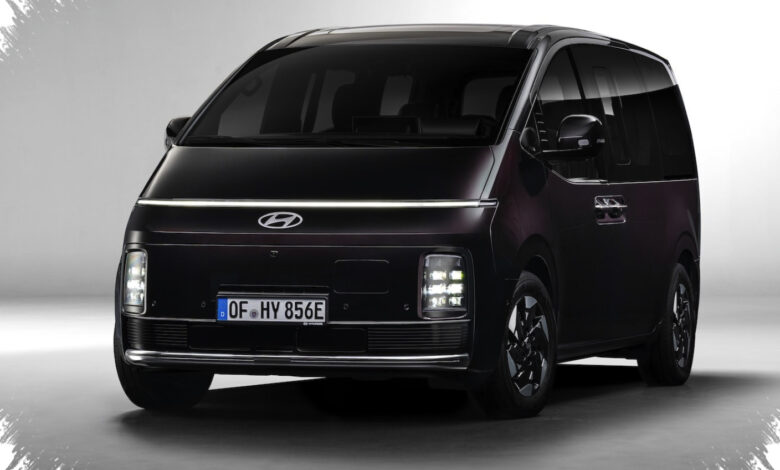
Hyundai is not giving up its position in Indonesia’s fast-changing electric vehicle market, even as Chinese brands continue to flood the segment with aggressive new offers. The company is now preparing a seven-seat MPV EV aimed squarely at family buyers, a category that remains highly important in Indonesia.
That move reflects a clear reading of the local market. Indonesian car buyers have long favored roomy family vehicles, and Hyundai appears intent on meeting that demand with an electric model that fits everyday use rather than chasing attention through price alone.
A First-Mover Advantage Hyundai Still Wants to Protect
PT Hyundai Motors Indonesia says its standing in the national EV market remains solid despite the sharper competition. Hyundai was among the first brands to introduce electric vehicles to Indonesia on a mass scale, and that early start has helped it build experience around EV adoption.
According to Chief Operating Officer HMID Fransiscus, the entry of more Chinese EV brands has changed the competitive map. He said the market has made Hyundai feel as if it has moved down in position and must now compete more openly with those brands, although he stressed that this is part of the industry’s natural development.
Hyundai’s response is not to retreat, but to keep pushing forward with products that match Indonesian demand. The company says it will continue preparing new models and strategies that reflect how the market is evolving.
Why the Seven-Seat MPV Matters
The seven-seater MPV EV is one of Hyundai’s most important next steps. The model is being positioned as a way to expand the brand’s lineup while targeting a segment that already has a strong base in Indonesia.
MPVs remain one of the most popular vehicle types in the country because they offer spacious cabins and higher passenger capacity. That makes them especially relevant for daily family transport and longer trips with multiple passengers.
By combining that familiar body style with electric power, Hyundai is trying to make EV adoption feel more practical for local consumers. It is also a sign that the company wants to compete with a product tailored to the market’s strongest habits, not just with a generic electric offering.
| Focus Area | What Hyundai Is Doing | Why It Matters |
|---|---|---|
| Market Position | Defending its EV presence in Indonesia | Chinese brands have increased competition |
| Product Direction | Preparing a seven-seat MPV EV | Matches Indonesia’s family-car preference |
| Brand Strategy | Leveraging early EV entry | Builds trust and market experience |
Fransiscus also reiterated Hyundai’s status as a first mover in Indonesia’s EV segment. He said the company will keep introducing new products, underscoring that its strategy is built around continuity rather than a short-term reaction to market pressure.
Competition Is No Longer Only About Price
The rise of Chinese EV makers has made Indonesia’s electric car market more open and more crowded. Buyers now have a wider range of models, technologies, and offers to choose from, which has raised the level of competition across the board.
In that environment, Hyundai seems to be betting that relevance matters as much as affordability. The company is focusing on products that suit Indonesian mobility needs, while also using its early presence in the market as a differentiator.
That approach suggests Hyundai sees the current phase of EV competition as more than a threat. It is also a chance to expand its lineup and reinforce the value of being one of the brands that helped shape the market in the first place.
A New Phase for Indonesia’s EV Market
Indonesia’s electric vehicle market has entered a new stage, driven in part by the rapid arrival of Chinese brands. The result is a far more intense contest, where each manufacturer must work harder to win consumer attention.
Hyundai’s planned seven-seat MPV EV shows how the company is responding to that shift. Rather than fighting only on headline pricing, it is aiming for a segment where demand is already proven and where a family-oriented electric model could carry strong appeal.
With that product direction and the promise of more launches ahead, Hyundai is signaling that it wants to stay central in Indonesia’s EV story. The company is trying to protect the advantage it built early while adapting to a market that is moving faster than before.