


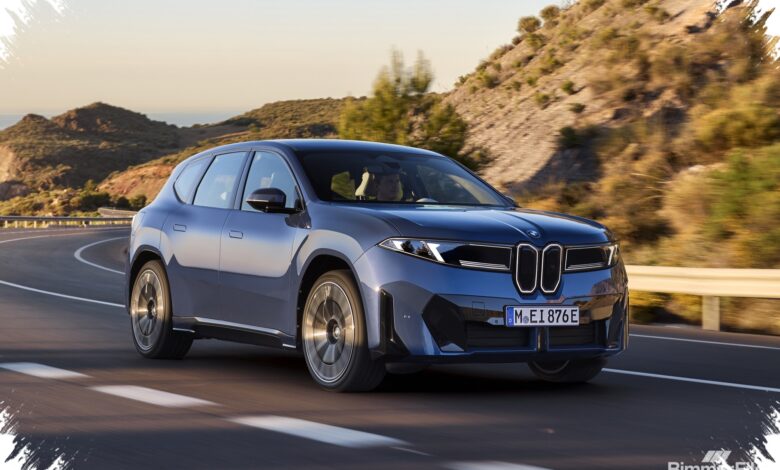
BMW is sending a clear message that long-distance electric driving does not have to feel uncertain. A prototype of the next-generation iX3 reportedly covered more than 800 kilometers in real-world road testing without stopping to recharge.
That result matters because many electric vehicle range figures still come from WLTP testing, which often feels less representative of everyday driving. On the road, the gap between laboratory numbers and real use is exactly where many buyers remain cautious.
Real-world testing, not just lab figures
BMW chose to demonstrate the prototype iX3 in actual driving conditions rather than rely on a standard certification figure alone. The SUV maintained stable performance throughout the route and delivered high energy efficiency along the way.
According to radarmadura.jawapos.com, the approach also points to technology that is close to production readiness. For BMW, this kind of test is more useful for addressing consumer skepticism than a number measured only under controlled conditions.
| Aspect | Next-Generation BMW iX3 Prototype | Details |
|---|---|---|
| Driving range | More than 800 km | Achieved in real-road testing |
| Charging during trip | No stop to recharge | The journey was completed without mid-route charging |
| Technology focus | Efficiency and energy management | Supported by improvements in the electric drivetrain and battery system |
What sits behind the efficiency gain
The result was not driven by a single upgrade. BMW is said to have refined the electric drivetrain, battery management, and the vehicle’s electronic efficiency so that energy use could be optimized more effectively.
Those changes allow the prototype to extend its range without sacrificing driving performance. As a result, the iX3 still presents itself as a modern electric SUV while offering a much longer reach between charges.
A stronger signal for the premium EV segment
The next-generation iX3 is being prepared as part of BMW’s new electric era. The model is expected to bring innovations centered on efficiency, comfort, and a more modern driving experience.
Beyond range, BMW is also expected to offer faster charging capability. That strategy is part of the brand’s broader push toward electrification.
A driving range of more than 800 kilometers is a positive sign for potential EV buyers, especially those planning intercity travel. With that kind of capability, drivers may not need to search for charging stations as frequently.
Competition in the premium electric vehicle market is becoming increasingly intense. Automakers are racing to deliver more efficient batteries and longer driving ranges.
BMW has chosen to prove the iX3’s capability through road testing as a form of transparency to the public. The result provides a more realistic picture than relying only on standard test numbers.
Looking ahead, the next-generation iX3 is expected to become one of BMW’s key models in its electric lineup. Its arrival is likely to strengthen the German brand’s position in a global market that continues to expand.
The achievement also shows that electric vehicle development is entering a new phase. The focus is no longer just on paper figures, but on performance that can genuinely be felt in everyday use.