


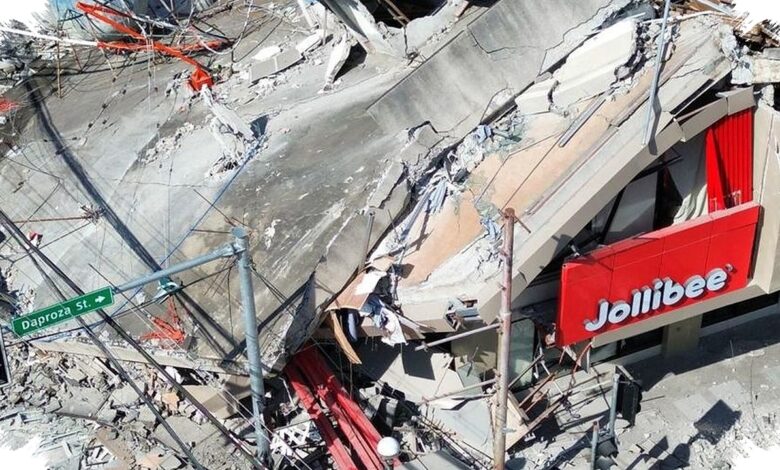
A recent cluster of strong earthquakes across the Pacific has raised public concern about whether the Pacific Ring of Fire is entering a more active phase. Expert assessments, however, indicate that the sequence does not yet amount to an abnormal surge in seismic activity.
The concern grew after a magnitude 7.8 earthquake struck the southern coast of Mindanao, the Philippines, on 8 June and triggered a tsunami warning for the Minahasa-Manado area in Indonesia. Several other earthquakes were then recorded in Indonesia, the Philippines, Japan, and Papua New Guinea within a short period.
A cluster that looks dramatic, but remains within natural patterns
Daryono, a member of the Indonesian Association of Disaster Experts (IABI), said the recent pattern should not automatically be interpreted as a sign that the Ring of Fire is becoming more active. In his view, the public perception is often shaped by several significant quakes happening close together in time.
He also pointed to social media, which now makes earthquakes in remote regions visible to the public much faster than before. In comments to CNNIndonesia.com on Wednesday (15/7), Daryono described the phenomenon as a time-clustering effect rather than evidence that the Earth has become less stable.
| Date | Location | Magnitude |
|---|---|---|
| 8 June 2026 | Southern coast of Mindanao, Philippines | M7.8 |
| 16 June 2026 | Parigi Moutong, Central Sulawesi, Indonesia | M6.7 |
| 26 June 2026 | Southern coast of Mindanao, Philippines | M6.5 |
| 27 June 2026 | Pacitan, East Java, Indonesia | M5.3 |
| 6 July 2026 | Mindanao, Philippines | M5.81 |
| 9 July 2026 | Northeast of Kuji, Japan | M6.3 |
| 12 July 2026 | Buol Sea, Central Sulawesi, Indonesia | M5.4 |
| 13 July 2026 | Lorengau, Papua New Guinea | M6.4 |
| 14 July 2026 | Northwest of Tahuna, Sangihe Islands, North Sulawesi, Indonesia | M6.2 |
Global earthquake counts remain within expected limits
Daryono said data from USGS show that about 500,000 earthquakes are detected on Earth each year when all events are counted, including those too small to be felt by people. Because the Pacific Ring of Fire accounts for around 90 percent of the world’s earthquakes, the zone is estimated to experience about 450,000 quakes annually, or an average of 1,200 per day.
He added that fluctuations in monthly and annual earthquake totals are part of the Earth’s natural cycle. Globally, earthquakes of magnitude 7.0 and above occur about 15 times a year on average, while magnitude 6.0 and above events happen roughly 130 to 140 times annually.
What this means for Indonesia
Despite being located in the Pacific Ring of Fire and remaining vulnerable to major earthquakes, Indonesia is not being affected by any unusual increase in regional activity, according to Daryono. He said the country still faces the routine hazards that define its geography, but the recent sequence does not indicate an exceptional threat.
Indonesia sits at the meeting point of three active tectonic plates: the Pacific, Indo-Australian, and Eurasian plates. Because plate systems operate independently and are separated by vast distances, earthquakes in Venezuela, Japan, or California will not trigger earthquakes in Indonesia, he explained.
Preparedness remains the priority
Daryono stressed that Indonesia’s main focus should remain on structural and cultural mitigation rather than anxiety over claims of a more active Earth. On the structural side, the priority is to apply strict earthquake-resistant building standards for vital infrastructure, public facilities, and housing.
He also said tsunami early-warning systems must be maintained so they remain ready at all times. On the cultural side, regular safety education and self-evacuation drills are needed so communities in high-risk zones have clear guidance and the mental readiness to respond when shaking occurs.
For Indonesia, the recent Pacific earthquake sequence is better understood as part of ongoing tectonic dynamics. The more immediate concern remains local and regional earthquakes, which are a constant threat in this part of the world.