Soaring memory chip prices could turn the artificial intelligence boom into a burden for computer and smartphone makers. SK Group Chairman Chey Tae-won warned that the market may contract if prices fail to return to more balanced levels.
The concern comes as demand for AI memory is rising far faster than new manufacturing capacity. Customers have asked SK Hynix to supply 60% to 100% more AI memory chips in 2027 than this year.
High Prices Raise Device Market Risk
Chey described current memory chip prices as abnormal and said the situation requires a prompt response. Higher component costs could push up retail device prices or weaken demand for finished products.
He warned of chipflation, a cost inflation effect that places pressure on computer and smartphone manufacturers. Chey said prices need to normalize, otherwise the market could shrink while competitors rush in to pursue high margins.
The prospect of new entrants is becoming part of the industry calculation. Chey cited Tesla CEO Elon Musk’s interest in entering chip manufacturing as one signal that high returns may attract more players.
HBM Supply Has Become a Critical Bottleneck
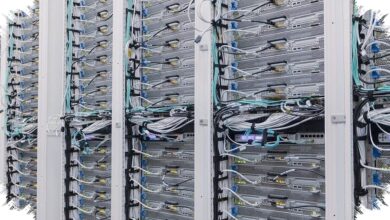
The tightest pressure is on HBM Memory, a stacked DRAM technology used alongside Nvidia AI accelerators. AI data processing requires much more memory than conventional computing workloads.
AI now accounts for more than half of global semiconductor consumption, according to Chey’s assessment. Total chip demand is expected to grow by at least 50% to 60% as AI deployment expands.
New production lines are not arriving quickly enough to meet that surge. Chey said no company has substantial new capacity scheduled to begin operating next year.
| Industry measure | Figure | Context |
|---|---|---|
| SK Hynix AI chip demand in 2027 | Up 60%-100% | Versus this year |
| Total chip demand growth forecast | At least 50%-60% | Driven by global AI consumption |
| SK Hynix HBM revenue share | 58% | First quarter of 2026 |
| Micron and Samsung revenue share | 21% each | Global HBM market |
SK Hynix Accelerates Its Response
Counterpoint Research data show that SK Hynix held 58% of global HBM market revenue in the first quarter of 2026. Micron and Samsung each held 21% of revenue during the same period.
SK Hynix has brought forward construction of its first clean room at the Yongin complex in South Korea to February 2027. The facility had previously been scheduled for completion in May.
In March this year, the company allocated an additional 21.6 trillion won, or about US$14.52 billion, for investment. Its Cheongju M15X plant is also being converted into a DRAM production base dedicated to HBM.
The company is planning a larger long-term expansion in southwestern South Korea with Samsung Electronics. The project site is located at the former Gwangju military airfield.
Factory Decisions Carry Geopolitical Weight
SK Hynix is reviewing factory locations in several countries based on construction speed, scale, and the availability of power, water, and land. The United States is among the locations under review, although Chey said the decision is based on business considerations.
Chip scarcity may also intensify geopolitical pressure between governments. Chey said companies currently absorb the pressure, but governments could soon begin pressuring one another.
Calls for South Korean chipmakers to increase investment in the United States are part of that wider dynamic. Responding to remarks from US Commerce Secretary Howard Lutnick, Chey said questions over the scale of US investment had surfaced since the beginning of the Trump administration.