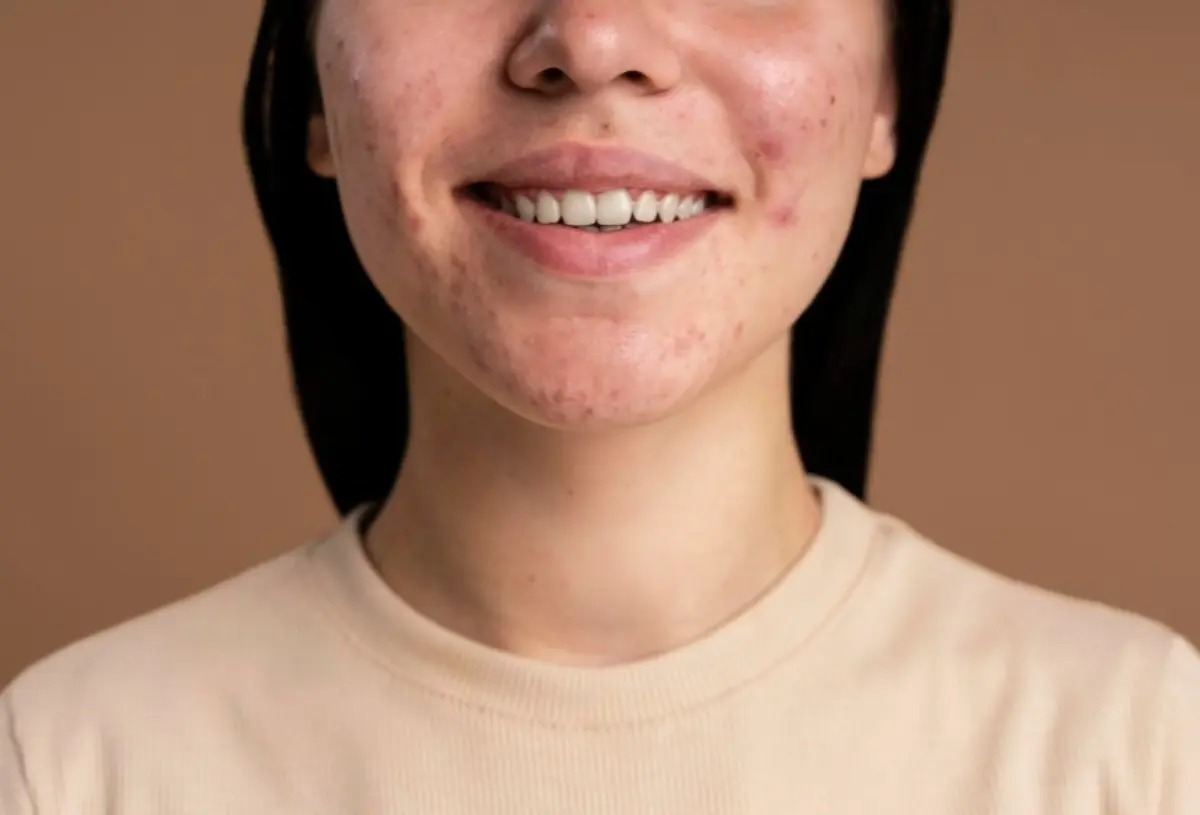
Cystic acne, known as jerawat batu among Indonesians, represents one of the most persistent and painful skin concerns. This form of acne often appears as red, swollen bumps deep beneath the skin’s surface and can leave dark marks or scars if not treated properly. Many people search for effective skincare solutions that can reduce inflammation, combat bacteria, and prevent scars from lingering.
Choosing the right skincare products is crucial for managing cystic acne. Not all products are suitable, and some ingredients may worsen the condition. For this reason, dermatologists recommend specific ingredients that target both inflammation and bacterial growth while being gentle on sensitive skin.
Understanding Cystic Acne and Its Challenges
Cystic acne differs from other acne types due to its size, depth, and tendency to cause pain. According to health experts, this condition involves blocked pores trapped with oil, dead skin cells, and bacteria. The result is inflammation, redness, and even infection beneath the skin. Common causes include hormonal changes, stress, and genetics. Proper care and consistent treatment are vital to avoid permanent marks or worsening outbreaks.
Recommended Skincare Products for Cystic Acne
Here are six recommended skincare products to help manage and treat cystic acne, each with unique benefits formulated for sensitive and acne-prone skin.
- Haloskin Lab Acne Fighting Package
This complete skincare package offers a combination of day and night creams formulated to target active acne and calm inflamed skin. According to the information from Jabar Ekspres, Haloskin Lab uses antibacterial and anti-inflammatory ingredients to address both bacteria and swelling. The day cream is designed to shield the skin from further bacterial invasion while maintaining hydration. The night cream works overnight to reduce redness, soothe irritation, and support natural skin cell regeneration. Many users prefer treatment sets like this for their multi-step approach, providing broad benefits without overwhelming the skin with harsh chemicals.
- Benzolac Gel (2.5% and 5%)
Benzolac Gel is a popular over-the-counter solution containing benzoyl peroxide, a well-established ingredient for acne management. Research from reputable dermatology journals confirms that benzoyl peroxide is highly effective in killing acne-causing bacteria and reducing excess oil. The gel comes in two strengths: 2.5% and 5%. Beginners or those with sensitive skin are advised to start with the lower concentration. Apply a thin layer on affected areas once or twice daily. It is important not to overuse benzoyl peroxide to prevent excessive dryness or irritation, notes the American Academy of Dermatology.
- Erha Acne Spot Gel
Spot treatments like Erha Acne Spot Gel provide focused action on individual cystic acne lesions. This gel is formulated with salicylic acid and sulfur, both recognized for their keratolytic and antibacterial effects. Salicylic acid helps exfoliate dead skin cells from clogged pores, while sulfur dries out active pimples and reduces inflammation. Erha also enriches its gel with niacinamide, a vitamin B3 derivative known to minimize dark spots and soothe redness. Spot gels like this are ideal for direct application to stubborn spots, accelerating the healing process without affecting the surrounding clear skin.
- Wardah Acnederm Acne Care Serum
Wardah is a trusted local brand, especially for those seeking halal and affordable skincare options. The Acnederm Acne Care Serum targets acne with its combination of salicylic acid and tea tree oil. Salicylic acid is excellent for penetrating deep into pores and clearing blockages that can lead to cystic acne. Meanwhile, tea tree oil is valued for its natural antibacterial and anti-inflammatory properties. Clinical studies, including those cited by the Journal of Dermatological Science, show that tea tree oil can be just as effective as some chemical treatments, but with fewer side effects.
- Acnes Sealing Jell
Acnes Sealing Jell is formulated as a lightweight gel that helps to calm inflamed skin and reduce redness. One of its unique points is the rapid absorption, making it suitable for morning or night routines. Its formulation often includes antibacterial agents and mild exfoliants to keep pores clean. Many dermatologists emphasize the importance of keeping the acne area free of excess oil and environmental pollutants, which makes fast-acting gels like Acnes Sealing Jell beneficial as an addition to a skincare routine.
- Emina Ms. Pimple Acne Solution Spot Gel
Emina is well-known among teenagers and young adults for its gentle formulas. The Ms. Pimple Acne Solution Spot Gel is designed for sensitive skin and contains salicylic acid, which not only fights bacteria but also promotes the shedding of dead skin. This product is also enriched with soothing botanical extracts, reducing irritation and encouraging a more even skin tone. Emina’s lightweight gel formula does not leave a sticky residue, making it comfortable for users who are new to acne treatments.
Active Ingredients to Look For
When dealing with cystic acne, several key ingredients can help accelerate healing and prevent recurrence. Here is a list of commonly recommended ingredients by dermatologists:
- Benzoyl Peroxide – Kills acne-causing bacteria, reduces oil production.
- Salicylic Acid – Unclogs pores by exfoliating dead skin cells.
- Sulfur – Dries out pimples and reduces redness.
- Niacinamide – Fades dark spots, reduces redness, improves skin elasticity.
- Tea Tree Oil – Has natural antibacterial and anti-inflammatory properties.
- Lactic Acid – Gently exfoliates and enhances skin texture.
Best Practices for Using Acne Skincare
To maximize the benefits of these products, apply them to clean, dry skin. Start with a lower concentration if you are new to active ingredients like benzoyl peroxide or salicylic acid. Use a moisturizer regularly to prevent skin from drying out. Sunscreen is also important since many acne products increase skin sensitivity to the sun. If severe irritation or an allergic reaction occurs, discontinue use and consult a dermatologist immediately.
Choosing the right skincare for cystic acne is a personal process, as each skin type reacts differently to active ingredients. Reading product labels, checking for potential allergens, and patch testing can prevent discomfort down the line. Sticking to a consistent routine, monitoring skin’s response, and having patience are key factors in seeing visible improvements over time. Continuous research and consulting a trusted dermatologist will support optimal results in managing recurring cystic acne and restoring healthy skin.