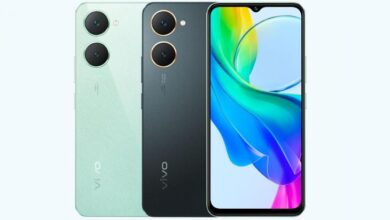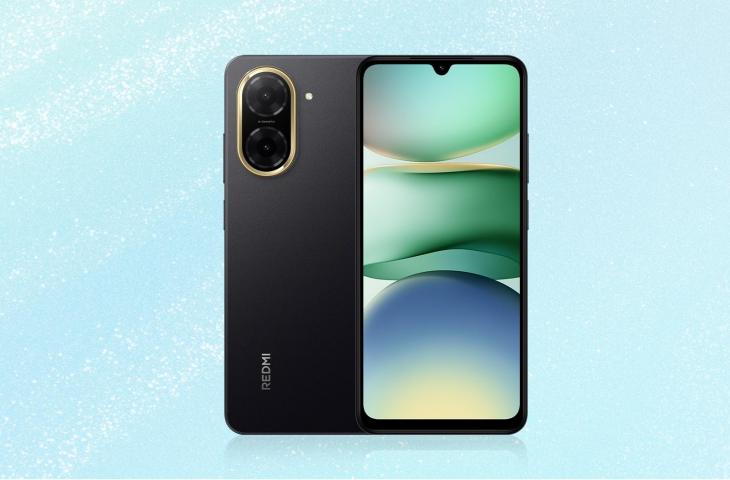
Finding an affordable smartphone that meets all your needs is now easier than ever. The entry-level category, especially phones priced around one million rupiah, remains a popular choice for students, workers, or anyone seeking a reliable daily driver on a budget. Redmi continues to lead this segment by offering feature-packed devices that don’t compromise on performance or style.
Consumers have responded positively to the latest Redmi series because of their balance of price, functionality, and durability. Amid tight competition, three Redmi models stand out in the budget segment, each catering to various requirements including multitasking, photography, and light gaming.
1. Redmi A5: Smooth Display for Everyday Use


Redmi A5 is positioned as one of the most attractive entry-level models. Priced close to one million rupiah, it immediately draws attention with its 6.88-inch IPS LCD screen that supports a 120Hz refresh rate. This high refresh rate, rarely found in affordable smartphones, creates a noticeably smoother scrolling and viewing experience for users.
Under the hood, Redmi A5 carries a Unisoc T7250 processor built on a 12 nm process, paired with a Mali-G57 MP1 GPU. This combination is supported by 4 GB RAM and a generous 128 GB of internal storage, allowing users to store plenty of apps and files without concern. Redmi A5 ships with the lightweight Android 15 Go Edition, so daily performance remains consistent and responsive even for basic multitasking.
This device also takes the photography aspect seriously, featuring a 32 MP main camera with an f/2.0 wide aperture. The results are impressively sharp, particularly for users who want to post on social media. The 8 MP front-facing camera serves for video calls and selfies with ease. Moreover, the large 5,200 mAh battery ensures the Redmi A5 runs all day without frequent recharging, a feature highly requested by many users (Data: hitekno.com).
2. Redmi 13C: Best for Multitasking and Storage
Redmi 13C answers the needs of those who require more RAM and storage but still prioritize value for money. With a price slightly higher than the A5, this model brings a whopping 8 GB of RAM and 256 GB of internal storage, which can be expanded further with microSDXC. This makes it ideal for users with lots of files, photos, and demanding apps.
The device boasts a 6.74-inch display with a refresh rate of 90Hz and brightness maxing out at 600 nits. While the resolution is HD+, Redmi 13C’s display remains sharp for most daily tasks, and the higher brightness supports use even in outdoor conditions.
Performance is no slouch, thanks to the proven MediaTek Helio G85 (12 nm) chipset with an octa-core CPU and Mali-G52 MC2 GPU. It’s efficient for multitasking and smooth enough for light gaming and streaming. Powering all of this is a 5,000 mAh battery, complemented by fast charging capabilities so users spend less time plugging in during the day.
Camera-wise, Redmi 13C features a triple rear setup comprising a 50 MP main sensor (PDAF support), 2 MP macro lens, and an auxiliary 0.08 MP depth sensor. The 8 MP front camera covers basic video calls and selfies. This well-rounded camera setup is quite exceptional in this price range, giving users more flexibility for their photography needs (Source: Xiaomi official, hitekno.com).
3. Redmi 14C: The Latest Feature-Packed Entry Level
Redmi 14C emerges as the most updated and feature-rich option among Redmi’s budget lineup. Marketed under one and a half million rupiah, it arrives with the newest Android 14 based on HyperOS, offering a smoother and more feature-rich experience compared to MIUI.
For visuals, Redmi 14C employs a 6.88-inch IPS LCD with a 120Hz refresh rate and brightness up to 600 nits, delivering clear and immersive content—suitable for streaming, browsing, or gaming. This is the best display offering among its peers.
Redmi 14C relies on the MediaTek Helio G81 Ultra processor with an octa-core CPU and Mali-G52 MC2 GPU, backed by 8 GB RAM and 256 GB of internal storage. This configuration supports heavy multitasking, large app storage, and consistent performance for entertainment and productivity.
On the imaging side, this phone is equipped with a 50 MP f/1.8 main camera (with PDAF), 2 MP depth sensor for background blur effects, and the usual 0.08 MP auxiliary lens. The 13 MP front camera stands out for those who want better selfies or need to create content for social media. The built-in 5,160 mAh battery promises full-day endurance, aligning well with the needs of today’s active users.
Redmi Budget Phone Comparison Table
| Model | Display | RAM / Storage | Main Camera | Front Camera | Chipset | Battery | OS | Price (IDR) |
|---|---|---|---|---|---|---|---|---|
| Redmi A5 | 6.88” 120Hz | 4 GB / 128 GB | 32 MP | 8 MP | Unisoc T7250 | 5,200 mAh | Android 15 Go | ~1,119,000 |
| Redmi 13C | 6.74” 90Hz | 8 GB / 256 GB | 50+2+0.08 MP | 8 MP | MediaTek Helio G85 | 5,000 mAh | Android 13 | ~1,399,000 |
| Redmi 14C | 6.88” 120Hz | 8 GB / 256 GB | 50+2+0.08 MP | 13 MP | MediaTek Helio G81 U. | 5,160 mAh | Android 14 | ~1,599,000 |
Choosing the Right Redmi Budget Smartphone
When selecting a Redmi phone in the one million rupiah range, it’s important to focus on your main priorities. For those who value a fluid visual experience, Redmi A5’s 120Hz display stands out as the top option in this price bracket. The device is suitable for basic use, online classes, and browsing with long battery life.
If multitasking, app storage, and ample memory top your wishlist, Redmi 13C is the best fit. The large 8 GB RAM and 256 GB storage offer more flexibility, and a reliable triple camera setup makes it a solid all-in-one choice.
For users seeking a fresh look, enhanced features, the latest operating system, and an upgraded selfie camera, Redmi 14C delivers the complete package. Its combination of strong hardware and robust software customization caters to those with active social media lifestyles or heavier multitasking demands.
Keeping up with rapid technological changes, Redmi’s entry-level phones continue to deliver strong value propositions for the Indonesian market. By integrating high-refresh-rate displays, large storage, reliable cameras, and improved software, Redmi strengthens its leadership in the affordable segment. Choosing one of these models lets buyers enjoy modern smartphone features without straining their budget.